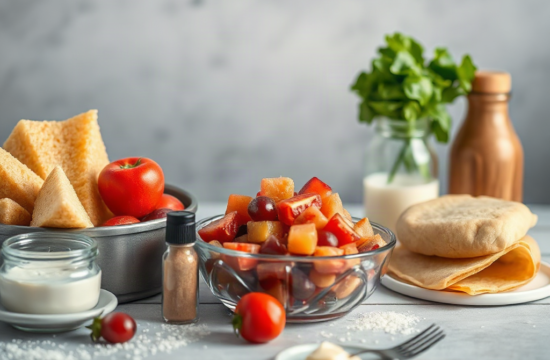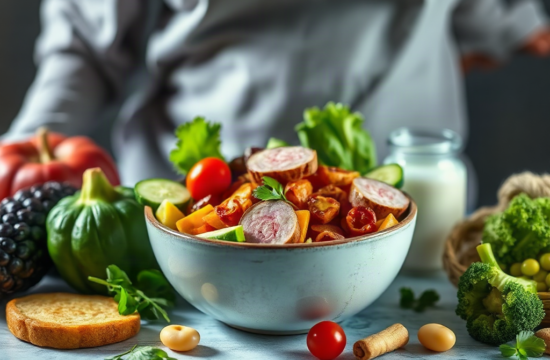
To lose weight the healthy way, prioritize a balanced diet and regular exercise. Focus on incorporating whole foods such as fruits, vegetables, lean proteins, and whole grains into your meals while reducing processed foods. Establish a consistent workout routine that includes both cardiovascular and strength training exercises. Additionally, staying hydrated is essential for overall health and can aid in weight management. By adopting these sustainable habits, you can achieve your weight loss goals while enhancing your overall well-being.
Understanding Healthy Weight Loss
Healthy weight loss is a gradual process that emphasizes sustainable lifestyle changes rather than quick fixes. It’s crucial to approach weight loss with a mindset focused on long-term health benefits. This means not just shedding pounds but also enhancing overall well-being. A balanced approach includes understanding the impact of diet, physical activity, and mental health on weight management.
Weight loss occurs when you create a calorie deficit, meaning you burn more calories than you consume. However, drastic calorie restriction can lead to nutrient deficiencies and a slower metabolism. Therefore, a balanced diet rich in essential nutrients is vital. Recognizing this balance helps avoid the pitfalls of fad diets that often promise quick results without addressing health.
Moreover, setting realistic goals can lead to better outcomes. Aiming for a weight loss of 1-2 pounds per week is generally considered safe and sustainable. This approach allows your body to adjust and reduces the likelihood of regaining weight after reaching your goal.
Essential Foods for a Healthy Diet
Incorporating nutrient-dense foods into your diet is a cornerstone of healthy weight loss. Focus on whole foods like fruits, vegetables, whole grains, lean proteins, and healthy fats. These food groups provide essential vitamins and minerals while keeping you satiated.
Fruits and vegetables are low in calories but high in fiber, which promotes fullness and aids digestion. Aim to fill half your plate with these at every meal. Whole grains, such as quinoa, brown rice, and oats, offer sustained energy and help regulate blood sugar levels.
Lean proteins like chicken, fish, beans, and legumes are crucial for muscle repair and growth, especially if you’re incorporating strength training into your routine. Healthy fats, found in foods like avocados, nuts, and olive oil, are essential for hormone regulation and overall health.
While it’s important to focus on what to include in your diet, it’s equally essential to limit processed foods high in added sugars and unhealthy fats. These can lead to weight gain and other health issues, negating your weight loss efforts.
The Role of Exercise
Exercise plays a pivotal role in losing weight healthily. Not only does it help burn calories, but it also builds muscle mass, which can increase your resting metabolic rate. A combination of aerobic exercises, like running or cycling, and strength training is most effective for weight loss and overall fitness.
Cardiovascular exercises help burn calories and improve heart health. Aim for at least 150 minutes of moderate aerobic activity or 75 minutes of vigorous activity each week, as recommended by health organizations. Strength training, on the other hand, should be done at least twice a week to build muscle and improve metabolism.
Incorporating physical activity into your daily routine doesn’t have to be daunting. Simple changes, such as walking or biking instead of driving, taking the stairs, or participating in group sports, can significantly contribute to your overall activity levels.
Common Mistakes to Avoid
When embarking on a weight loss journey, awareness of common pitfalls can enhance your success. One frequent mistake is focusing solely on the scale. Weight can fluctuate for various reasons, including water retention, muscle gain, and hormonal changes. Instead of fixating on numbers, consider how your clothes fit and your overall energy levels.
Support Your Weight Loss Goals
Huge Discount on the Best Certified Organic Nutrient Dense Supplement!
Another mistake is neglecting the importance of meal planning. Without a plan, it’s easy to resort to unhealthy options when hunger strikes. Preparing meals ahead of time can help ensure you have nutritious options available, reducing the temptation to indulge in fast food or processed snacks.
Lastly, many people underestimate the importance of hydration. Drinking enough water is crucial for metabolism and can help control hunger. Aim for at least 8 glasses of water a day, and consider replacing sugary drinks with water or herbal teas.
Frequently Asked Questions
What is the best diet for healthy weight loss?
A balanced diet rich in whole foods, including fruits, vegetables, lean proteins, and whole grains, is best for healthy weight loss.
How much exercise do I need to lose weight?
Aim for at least 150 minutes of moderate aerobic exercise or 75 minutes of vigorous activity each week, combined with strength training.
Can I lose weight without exercising?
While diet plays a crucial role, exercise enhances weight loss and overall health; combining both is the most effective approach.
What are common mistakes during weight loss?
Common mistakes include focusing only on the scale, neglecting meal planning, and not staying hydrated.
How do I stay motivated to lose weight?
Set realistic goals, track your progress, and find a support system to help maintain motivation throughout your weight loss journey.
Conclusion
To lose weight the healthy way, focus on a balanced diet rich in whole foods, regular physical activity, and realistic goal-setting. Avoid common pitfalls like neglecting meal planning and fixating on the scale. By prioritizing these strategies, you can achieve sustainable weight loss while improving your overall health.
Support Your Weight Loss Goals
HUGE DISCOUNT ON THE BEST CERTIFIED ORGANIC NUTRIENT DENSE SUPPLEMENT!
Further Reading
Authoritative Sources
- Weight loss: 6 strategies for success
mayoclinic.orgThese healthy changes include eating a balanced diet and moving more each day. Here are six tips to help you start your weight-loss journey. ...
- Tips for Healthy Eating for a Healthy Weight
cdc.govEmphasizes vegetables, fruits, protein, diary without added sugars, healthy fats, and whole grains. · Includes healthful protein options, such as ...
- Weight loss - a healthy approach
betterhealth.vic.gov.auThe best way to lose weight is slowly, by making achievable changes to your eating and physical activity habits. Managing your weight is a life-long commitment ...
- Healthy Habits for Weight Loss
ufhealth.orgRearrange the kitchen to make diet-boosting foods the most natural choice. Keep healthy food in sight. Keep a bowl of fruit. Reduce temptation. ...