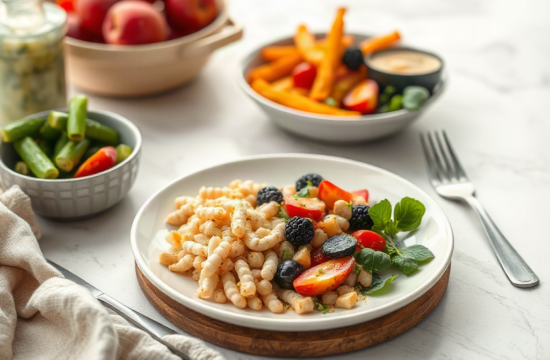
To build a sustainable diet, focus on incorporating whole foods, maintaining a balanced intake of nutrients, and prioritizing meal planning. This approach not only supports health but also helps you manage portion sizes and reduce food waste. Consider incorporating seasonal produce and lean proteins while minimizing processed foods, which can lead to better health outcomes and a more enjoyable eating experience. Remember, the key is consistency and making gradual changes that fit your lifestyle.
Understanding Sustainable Dieting
Sustainable dieting emphasizes a balanced approach to nutrition, focusing on long-term health rather than quick fixes. This method encourages the consumption of nutrient-dense foods while considering environmental impacts and personal well-being. By prioritizing sustainability, individuals can reduce their carbon footprint and promote better health outcomes.
Understanding the importance of a sustainable diet involves recognizing the role of whole foods and minimizing processed options. Whole foods, such as fruits, vegetables, whole grains, and lean proteins, provide essential nutrients that support overall health. Additionally, sustainable diets often align with local and seasonal food sources, which can enhance flavor and nutritional value while reducing environmental impact.
Key Foods for a Sustainable Diet
Incorporating specific foods into your diet can help create a sustainable eating pattern. Focus on the following categories:
- Fruits and Vegetables: Aim for a variety of colors and types to ensure a broad range of nutrients. Seasonal and locally sourced produce is often fresher and more flavorful.
- Whole Grains: Choose whole grains like quinoa, brown rice, and oats, which provide fiber and essential nutrients compared to their refined counterparts.
- Lean Proteins: Opt for plant-based proteins such as beans, lentils, and tofu, as well as sustainably sourced fish and poultry. Limiting red meat can also contribute to a more sustainable diet.
- Healthy Fats: Include sources of healthy fats, such as avocados, nuts, and olive oil, which can support heart health and overall well-being.
These food categories not only promote health but also support a sustainable lifestyle by reducing reliance on processed foods and fostering a connection to the environment.
Practical Steps to Implement
Building a sustainable diet requires practical steps that can be integrated into daily life. Start by planning your meals weekly to ensure a balanced intake of nutrients. Meal prepping can save time and help avoid impulsive, unhealthy choices.
Consider the following strategies:
- Shop Smart: Create a shopping list based on your meal plan and stick to it. Focus on purchasing whole foods and avoid the temptation of processed items.
- Cook at Home: Preparing meals at home allows for better control over ingredients and portion sizes. Experiment with new recipes to keep meals exciting.
- Mindful Eating: Pay attention to hunger cues and eat slowly to savor your food. This practice can help prevent overeating and promote a healthier relationship with food.
Implementing these steps can lead to lasting changes in your eating habits and overall health.
Common Mistakes to Avoid
While building a sustainable diet, it’s essential to recognize common pitfalls that can derail your progress. One mistake is focusing too heavily on restrictive eating, which can lead to feelings of deprivation and eventual bingeing. Instead, aim for balance and moderation.
Another common error is neglecting the importance of variety. Eating the same foods repeatedly can lead to nutrient deficiencies and boredom. Ensure your meals include a wide range of foods to cover all your nutritional bases.
Lastly, failing to adapt your diet to your lifestyle can hinder sustainability. Assess your routine and make adjustments as needed to ensure your diet aligns with your personal preferences and circumstances.
Support Your Weight Loss Goals
Huge Discount on the Best Certified Organic Nutrient Dense Supplement!
Frequently Asked Questions
What is a sustainable diet?
A sustainable diet focuses on consuming foods that are healthy for individuals and the environment, emphasizing whole foods and minimizing processed options.
How can I start a sustainable diet?
Begin by planning your meals, incorporating a variety of whole foods, and reducing processed food intake. Meal prepping can help maintain consistency.
Are there specific foods to avoid?
Limit processed foods, excessive red meat, and sugary beverages, as these can negatively impact health and sustainability.
How can I ensure I'm getting enough nutrients?
Focus on eating a diverse range of foods, including fruits, vegetables, whole grains, lean proteins, and healthy fats to cover all your nutritional needs.
Can a sustainable diet be affordable?
Yes, by shopping seasonally, buying in bulk, and planning meals, you can create a sustainable diet that fits within your budget.
Conclusion
Building a sustainable diet is not just about making quick changes; it requires thoughtful planning and a commitment to long-term health. By focusing on whole foods, practicing mindful eating, and avoiding common pitfalls, you can create an enjoyable and healthful eating pattern. Embrace the journey of discovering new foods and recipes that align with your values and lifestyle, ensuring that your dietary choices contribute positively to your health and the environment.