Essential Components of a Sustainable Diet
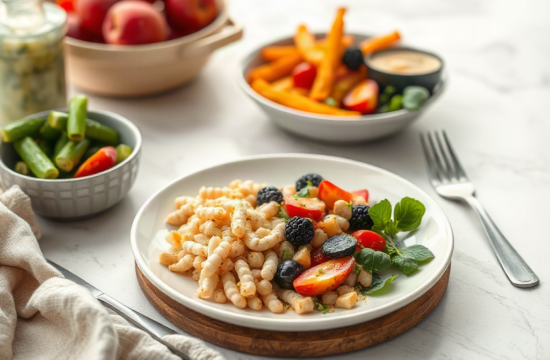
A sustainable diet is characterized by its focus on whole foods, including fruits, vegetables, whole grains, and lean proteins. These foods not only provide essential nutrients but also contribute to a balanced diet that supports weight management and overall health. Prioritizing seasonal and local produce can enhance the freshness and flavor of your meals while also benefiting the environment.
When building your diet, consider incorporating a variety of foods to ensure you meet all your nutritional needs. For example, include different colored fruits and vegetables to maximize the range of vitamins and minerals. Whole grains like quinoa, brown rice, and oats offer fiber and energy, while lean proteins such as chicken, fish, legumes, and nuts provide essential amino acids. This diversity helps prevent dietary monotony and keeps meals interesting.
Practical Steps for Implementing Changes
To successfully build a sustainable diet, start by setting realistic, achievable goals. Gradually introduce new foods and recipes into your routine, allowing your taste buds to adapt. Meal planning is a powerful tool that can help you stay organized, save time, and reduce food waste. By preparing meals in advance, you can ensure that you have healthy options readily available, reducing the temptation to opt for less nutritious choices.
Additionally, consider adopting mindful eating practices. Pay attention to hunger cues and eat slowly, allowing your body to signal when it is satisfied. This approach can help prevent overeating and promote a healthier relationship with food.
Common Pitfalls to Avoid
Many individuals fall into the trap of quick-fix diets or extreme calorie restriction, which are often unsustainable and can lead to negative health outcomes. These methods can create a cycle of weight loss and regain, making it difficult to maintain long-term progress. Instead of focusing on rapid results, aim for gradual changes that promote lasting habits.
Another common mistake is neglecting the importance of hydration. Drinking enough water throughout the day is crucial for overall health and can help control appetite. Aim for at least eight cups of water daily, adjusting for activity levels and climate.
Balancing Enjoyment and Nutrition
A sustainable diet should not feel like a punishment. Striking a balance between enjoyment and nutrition is key to long-term success. Allowing yourself the occasional treat can help satisfy cravings and make it easier to stick to healthier choices overall. Consider creating a list of your favorite treats and find ways to incorporate them mindfully into your diet.
Additionally, involve family and friends in your journey towards a sustainable diet. Cooking and sharing meals together can create a supportive environment that fosters healthy habits and encourages experimentation with new foods.
Frequently Asked Questions
What are the key components of a sustainable diet?
A sustainable diet includes whole foods like fruits, vegetables, whole grains, and lean proteins, emphasizing variety and balance.
How can I start building a sustainable diet?
Begin by setting realistic goals, meal planning, and gradually introducing new foods into your routine.
What common mistakes should I avoid?
Avoid restrictive diets, quick fixes, and neglecting hydration, as these can undermine your efforts.
How important is meal planning?
Meal planning helps you stay organized, save time, and ensure healthy options are available, reducing reliance on unhealthy choices.
Can I enjoy treats while maintaining a sustainable diet?
Yes, allowing occasional treats can satisfy cravings and help maintain a healthy relationship with food.
Conclusion
Building a sustainable diet is about more than just food choices; it’s about creating a lifestyle that supports your health goals without feeling deprived. Focus on incorporating a variety of whole foods, prioritize balance and moderation, and be mindful of your eating habits. Remember that gradual changes are more effective than drastic, short-term diets. By fostering a positive relationship with food and involving others in your journey, you can create lasting habits that promote health and well-being.