
Implementing effective dieting tips can significantly simplify the weight loss process. Focusing on manageable strategies, such as meal planning and mindful eating, helps create sustainable habits that lead to long-term results. By prioritizing whole foods, controlling portions, and maintaining a consistent activity level, individuals can achieve their weight loss goals without feeling overwhelmed.
One common mistake many make is adopting extreme diets that are hard to maintain. These approaches often lead to short-term results but set individuals up for failure in the long run. Instead, it’s essential to find a balance that works for your lifestyle, allowing for occasional indulgences while still making healthier choices most of the time.
Understanding the importance of consistency and moderation is key. Rather than focusing solely on the scale, consider other indicators of progress, such as improved energy levels and better fitting clothes. Additionally, incorporating physical activity that you enjoy can make a significant difference in your overall success.
Prioritizing Whole Foods
Choosing whole foods over processed options is fundamental in simplifying weight loss. Whole foods, such as fruits, vegetables, lean proteins, and whole grains, provide essential nutrients while keeping you fuller for longer. This approach not only supports weight loss but also promotes overall health.
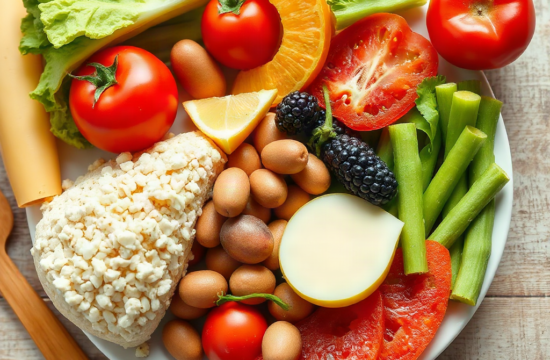
One effective method is to fill your plate with a variety of colorful fruits and vegetables. They are low in calories but high in volume, meaning you can eat more while consuming fewer calories. Additionally, preparing meals at home allows you to control the ingredients, making it easier to avoid hidden sugars and unhealthy fats.
Portion Control Techniques
Portion control is another crucial aspect of dieting that simplifies weight loss efforts. Many people underestimate the amount of food they consume, leading to excess calorie intake. Learning to recognize appropriate serving sizes can significantly impact your progress.
One practical tip is to use smaller plates and bowls, which can help trick your brain into feeling satisfied with less food. Additionally, measuring out servings can provide a clearer understanding of portion sizes, making it easier to manage your intake. Keeping a food diary can also help track what you eat, making you more mindful of your choices.
Mindful Eating Practices
Engaging in mindful eating is an effective strategy for simplifying the dieting process. This practice involves paying attention to the sensory experience of eating, such as the taste, texture, and aroma of food. By slowing down and savoring each bite, you are more likely to notice when you are full, reducing the chances of overeating.
To incorporate mindful eating into your routine, try to eliminate distractions during meals, such as watching television or scrolling through your phone. Focus on the flavors and textures of your food, and take the time to chew slowly. This not only enhances your enjoyment of meals but also helps regulate your appetite.
Support Your Weight Loss Goals
Huge Discount on the Best Certified Organic Nutrient Dense Supplement!
Incorporating Physical Activity
Regular physical activity is an essential component of any successful weight loss plan. Exercise not only helps burn calories but also boosts metabolism and supports muscle maintenance. Finding enjoyable activities can make it easier to stay active and committed to your goals.
Consider incorporating activities that you genuinely enjoy, whether it’s dancing, hiking, or cycling. Setting realistic goals for physical activity, such as aiming for at least 150 minutes of moderate exercise per week, can also help keep you motivated. Remember that even small changes, like taking the stairs instead of the elevator, can add up over time.
For additional insights on effective dieting strategies, consider exploring resources from reputable health organizations, such as the USDA’s MyPlate, which offers guidance on balanced eating, or the CDC’s Healthy Weight program for tips on maintaining a healthy weight.
Frequently Asked Questions
What are the best foods to eat while dieting?
Focusing on whole foods, such as fruits, vegetables, lean proteins, and whole grains, is essential for successful dieting.
How can I control my portion sizes?
Using smaller plates and measuring servings can help you manage portion sizes effectively.
What is mindful eating?
Mindful eating involves paying attention to the sensory experience of eating, which can help you recognize hunger and fullness cues.
How often should I exercise while dieting?
Aim for at least 150 minutes of moderate exercise per week to support weight loss and maintenance.
What common mistakes should I avoid when dieting?
Common mistakes include extreme calorie restriction and neglecting physical activity, both of which can hinder progress.
Conclusion
Ultimately, effective dieting tips that simplify weight loss revolve around practical strategies like prioritizing whole foods, controlling portions, and engaging in mindful eating. Incorporating regular physical activity is also crucial for overall success. By focusing on these elements, you can create a sustainable and enjoyable weight loss journey that promotes long-term health and well-being.
Support Your Weight Loss Goals
HUGE DISCOUNT ON THE BEST CERTIFIED ORGANIC NUTRIENT DENSE SUPPLEMENT!
Related Content
- Mindful Eating for Lasting Weight Loss: Rewire Your Relationship with Food
- Why Dieting Is Easier With Structure: Effective Meal Plans and Routine Strategies
- Beyond Survival: Transforming Health Challenges into Life-Changing Wisdom with Tatiana Miller
- Unlock the Secret to Lasting Success with Why Simple Diets Work Better
- 10 Best dieting and metabolism boosting tips to Supercharge Your Results in 2025