
Many people mistakenly believe that drastic dietary changes are necessary for success. However, sustainable dieting is often about making small, manageable adjustments that can be maintained over time. This includes incorporating a variety of whole foods, such as fruits, vegetables, lean proteins, and healthy fats, which provide essential nutrients and support bodily functions. Additionally, understanding your body’s hunger cues and satiety signals can help create a more intuitive eating experience.
To begin choosing the right diet for your lifestyle, it is crucial to assess your daily habits, preferences, and health goals. This includes incorporating a variety of whole foods, such as fruits, vegetables, lean proteins, and healthy fats, which provide essential nutrients and support bodily functions.
Assessing Your Lifestyle and Dietary Needs
To begin choosing the right diet for your lifestyle, it is crucial to assess your daily habits, preferences, and health goals. This means taking into account your activity level, work schedule, and any dietary restrictions or preferences you may have. For instance, someone with a busy work schedule may benefit from meal prepping and choosing quick, nutritious snacks to keep energy levels stable throughout the day.
Furthermore, reflecting on what types of foods you enjoy can help ensure adherence to your diet. Many find success by integrating their favorite meals in a healthier way rather than eliminating them entirely. This approach can help prevent feelings of deprivation and increase the likelihood of sticking with the diet in the long run.
Key Foods to Consider
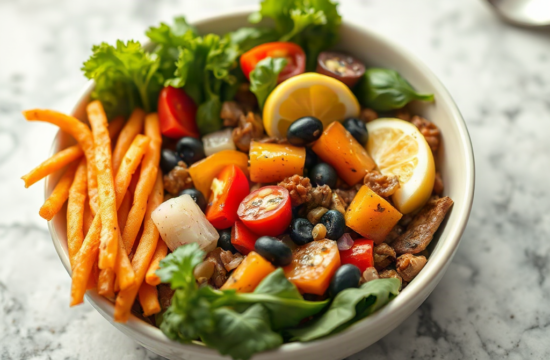
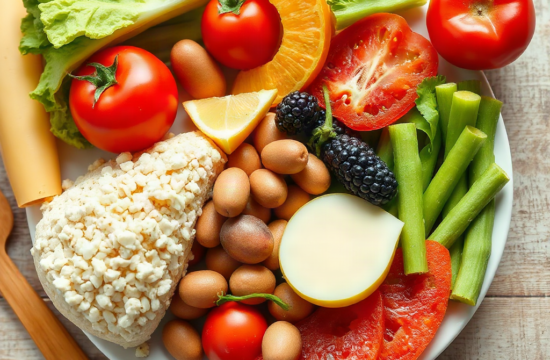
When selecting foods for your diet, focus on incorporating a variety of nutrient-dense options. Whole grains, lean proteins, healthy fats, and a wide array of fruits and vegetables should form the foundation of your meals. Whole grains like quinoa, brown rice, and oats provide essential fiber and energy, while lean proteins such as chicken, fish, and legumes support muscle maintenance and repair.
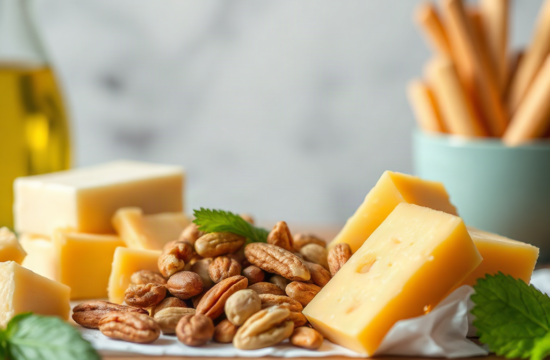
Healthy fats from sources like avocados, nuts, and olive oil are vital for hormone production and overall health. Furthermore, incorporating a colorful mix of fruits and vegetables not only enhances the flavor of your meals but also ensures you receive a broad spectrum of vitamins and minerals necessary for optimal functioning.
Practical Steps for Implementation
Implementing a diet that aligns with your lifestyle requires planning and commitment. Start by outlining a weekly meal plan that includes diverse foods from all the food groups mentioned earlier. This can help streamline grocery shopping and meal preparation, making it easier to stick to your diet.
Additionally, consider keeping a food journal to track your meals and how they make you feel. This practice can reveal patterns in your eating habits and help you make informed adjustments. Remember, flexibility is key; allow yourself to indulge occasionally without guilt, as this can help maintain a balanced approach to eating.
Frequently Asked Questions
What is the best diet for a busy lifestyle?
A balanced diet that includes meal prepping, quick healthy snacks, and nutrient-dense foods is ideal for busy lifestyles.
How can I make my diet more sustainable?
Focus on gradual changes, incorporate favorite foods in healthier ways, and prioritize whole foods to enhance sustainability.
What foods should I avoid when choosing a diet?
Avoid highly processed foods, excessive sugars, and trans fats, as they can lead to health issues and hinder dieting success.
How do I know if a diet is right for me?
Assess your lifestyle, preferences, and health goals to determine if a diet can be realistically maintained and beneficial for you.
Can I enjoy my favorite foods while dieting?
Yes, integrating favorite foods in moderation can enhance your diet and prevent feelings of deprivation.
Conclusion
Choosing the right diet for your lifestyle is about personalization and sustainability. By evaluating your daily habits and preferences, you can create a balanced eating plan that includes a variety of nutrient-dense foods. Remember to prioritize flexibility and enjoyment in your meals, as this will enhance adherence and satisfaction. Making gradual changes and staying mindful of your food choices will lead to long-term success in achieving your health goals.