Lipedema diet considerations for healthy weight management should focus on adequate protein, fiber-rich whole foods, sustainable portions, and symptom tracking rather than promises of reducing lipedema tissue through dieting alone. A balanced eating pattern may support gradual fat loss elsewhere in the body, preserve muscle, improve meal satisfaction, and help manage conditions that can complicate mobility or metabolic health. Regular meals built around vegetables, beans, fish, eggs, poultry, dairy, nuts, and minimally processed carbohydrates are generally more practical than severe carbohydrate or calorie restriction. Track energy, hunger, swelling patterns, strength, and clothing fit alongside body weight, and involve a clinician or registered dietitian when symptoms, medications, or restrictive eating complicate progress.
What Nutrition Can and Cannot Change in Lipedema
Lipedema involves a disproportionate and often painful accumulation of fatty tissue, usually affecting the legs and sometimes the arms. The tissue may bruise easily, feel tender or heavy, and persist even when a person loses weight. Nutrition can influence general body weight, muscle maintenance, cardiovascular risk, digestive health, and meal-related energy, but food should not be presented as a cure for lipedema.
That distinction changes how progress should be judged. A calorie deficit may reduce ordinary body fat while the characteristic disproportion remains noticeable. Someone may lose inches around the waist, improve blood pressure, or move more comfortably without seeing an equivalent change in the affected limbs. Treating that uneven response as dietary failure can lead to progressively harsher restriction, even though the body may already be responding in clinically useful ways.
Weight management still matters when it is appropriate for the individual. Additional non-lipedema body fat can increase the physical load placed on painful joints and make movement, compression garments, or daily activities harder. Gradual weight reduction may therefore improve function for some people without removing lipedema tissue itself. People who are not carrying excess body fat should not assume that further weight loss is automatically necessary simply because their lower body remains disproportionate.
Swelling can also make short-term scale readings difficult to interpret. Sodium intake, the menstrual cycle, prolonged standing, travel, constipation, and changes in activity may alter fluid balance. A sudden fluctuation over a day or two is not reliable evidence that body fat has changed. Weekly trends, waist measurements, clothing fit, and functional markers provide more context than reacting to a single weigh-in.
A common mistake is pursuing a highly restrictive “anti-lipedema” regimen that removes broad food groups without identifying a medical reason or a reproducible symptom response. Such plans can reduce protein, fiber, calcium, or overall energy and may intensify food anxiety. A better starting point is a nutritionally complete pattern that can be adjusted with professional help. The broader principles behind Lipedema diet considerations for healthy weight management are realistic expectations, adequate nourishment, and changes that remain workable during painful or low-mobility days.
Building Meals for Protein, Fiber, and Lasting Satisfaction
Meal structure is more useful than searching for a single food that supposedly targets lipedema. Protein helps preserve lean tissue during intentional weight loss, while fiber-rich foods add volume and can make a moderate energy intake easier to sustain. Dietary fat and minimally processed carbohydrates also have a place because they supply energy, flavor, and nutrients; portions and overall pattern matter more than assigning one macronutrient all the blame.
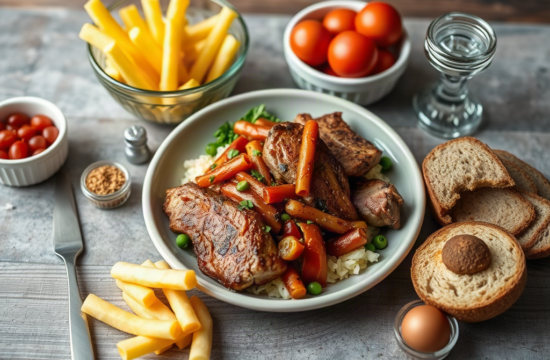
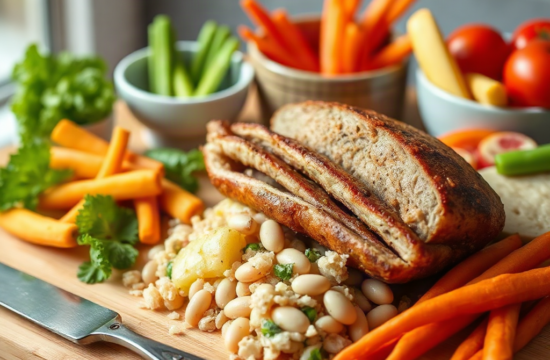
A practical plate might combine baked salmon, roasted vegetables, and potatoes, or lentils with brown rice, greens, and plain yogurt. Breakfast could be eggs with whole-grain toast and fruit, while a convenient lunch might pair canned tuna or chickpeas with salad, olive oil, and a whole-grain wrap. These meals provide recognizable portions and several nutrient sources without requiring specialty products.
Protein needs vary with body size, age, kidney health, activity, and energy intake, so a personalized gram target is best set with a qualified professional. In everyday terms, include a meaningful protein source at each main meal rather than saving most of it for dinner. Fish, poultry, eggs, Greek yogurt, cottage cheese, tofu, tempeh, beans, and lentils offer different price points and preparation demands. People with kidney disease or another condition affecting protein recommendations should obtain individualized advice before increasing intake substantially.
Fiber should rise gradually if current intake is low. Vegetables, berries, apples, oats, beans, lentils, nuts, seeds, and intact whole grains can support fullness and bowel regularity, but adding large amounts abruptly may cause bloating. Fluids matter as fiber increases. Water is usually the simplest default, while sweetened drinks, specialty coffees, and frequent alcohol can add energy without producing the satisfaction of a meal.
Convenience deserves attention because pain, fatigue, or difficulty standing can make elaborate cooking unrealistic. Frozen vegetables, microwaveable whole grains, rotisserie chicken, canned beans, prewashed greens, and individual yogurt portions can reduce physical effort. A compact meal-building checklist is:
- Choose protein: eggs, fish, poultry, yogurt, tofu, or legumes.
- Add produce: fresh, frozen, or low-sodium canned options all count.
- Select an energy food: potatoes, oats, rice, whole-grain bread, fruit, or healthy fats.
- Check satisfaction: adjust portions if persistent hunger or uncomfortable fullness follows meals.
The usual failure mode is making meals so “clean” and low-calorie that hunger drives grazing later. A planned dinner containing protein, vegetables, starch, and some fat is often easier to sustain than a sparse salad followed by an evening of unplanned snacks.
Choosing an Eating Pattern Without Unnecessary Restriction
No single eating pattern has been established as the universal lipedema diet. Mediterranean-style, moderately lower-carbohydrate, and other whole-food patterns may all support weight management when they create satisfying meals and an appropriate energy intake. The best choice is the least restrictive approach that fits health needs, preferences, budget, culture, and the ability to prepare food consistently.
A Mediterranean-style pattern emphasizes vegetables, fruit, legumes, whole grains, fish, olive oil, nuts, and moderate portions of dairy or other protein foods. It offers variety and does not require counting every carbohydrate. A lower-carbohydrate approach may appeal to someone who feels more satisfied replacing pastries, sweet drinks, and large refined-grain portions with protein, vegetables, beans, and unsaturated fats. Lower carbohydrate does not have to mean eliminating fruit, legumes, or all grains.
Ketogenic diets are sometimes discussed in lipedema communities, but anecdotal symptom reports do not establish that ketosis treats the underlying condition. A very-low-carbohydrate diet can be difficult to maintain and may cause constipation, restrict food variety, or interact with diabetes treatment. Anyone using insulin or medications that can cause low blood glucose needs medical oversight before sharply reducing carbohydrate. A short-lived drop on the scale during carbohydrate restriction may also reflect depleted glycogen and associated water rather than an equivalent loss of body fat.
Food-elimination plans require similar caution. If a person suspects that a particular food worsens digestive discomfort or another symptom, a structured record can be more informative than removing gluten, dairy, nightshades, and multiple other groups at once. Record the food, portion, timing, symptoms, sleep, menstrual phase, and relevant activity. Repeated patterns are more meaningful than a reaction observed on one stressful or unusually active day. Suspected allergy, celiac disease, or persistent gastrointestinal symptoms warrant clinical evaluation rather than self-testing through indefinite restriction.
Highly processed foods can be reduced without moralizing them. Chips, sweets, processed meats, and sugary drinks are easy to consume quickly and may displace foods that provide protein, fiber, and micronutrients. Yet frozen meals or packaged foods may be necessary when mobility is limited. Compare labels for protein, fiber, saturated fat, and sodium, then add fruit or vegetables when possible. The practical value of Lipedema diet considerations for healthy weight management lies in making the everyday pattern more nourishing, not demanding dietary perfection.
Monitoring Progress Beyond the Scale
Useful monitoring separates long-term changes in body composition from short-term shifts in fluid and symptoms. Weighing can be included if it does not cause distress, but it should be done under comparable conditions and interpreted as a trend. A moving weekly average is generally more informative than comparing today’s number with yesterday’s.
Support Your Weight Loss Goals Huge Discount on the Best Certified Organic Nutrient Dense Supplement!
Other measures may better capture changes that matter in daily life. Waist circumference can reflect central weight change even when affected limbs change slowly. The fit of a familiar garment, walking tolerance, ease of climbing stairs, perceived heaviness, bruising frequency, pain, and energy during the afternoon can add functional context. Measurements should not be taken so often that ordinary variation becomes a source of alarm.
Consider a person who begins eating regular protein-containing meals, reduces liquid calories, and uses frozen foods to avoid skipping dinner on painful days. After several weeks, body weight may move only modestly, yet waist measurement, hunger control, and walking comfort may improve. That combination suggests the approach is producing useful changes. By contrast, rapid loss accompanied by dizziness, constant cold, weakness, worsening constipation, disrupted menstrual cycles, or persistent preoccupation with food signals that the deficit or restrictions may be excessive.
A simple review every few weeks can examine:
- whether meals are satisfying for several hours;
- whether protein and produce appear regularly;
- whether pain, swelling, or fatigue shows a consistent pattern;
- whether strength and ordinary activity are stable or improving;
- whether the routine works during busy, painful, or travel days.
Plateaus need context rather than immediate escalation. Water retention, reduced spontaneous movement, inaccurate portion estimates, constipation, and normal adaptation can all obscure progress. Before cutting more food, check beverage calories, restaurant frequency, sleep disruption, and whether weekends differ markedly from weekdays. If intake is already low or fatigue is rising, further restriction may be the wrong response.
Tracking also has limits. Pain and swelling can vary for reasons unrelated to food, and an app cannot diagnose lipedema or distinguish it from lymphedema, obesity, or venous disease. Stop detailed logging if it increases anxiety, compulsive weighing, or rigid eating. A short paper record of meals, symptoms, and function may provide enough information without turning eating into constant surveillance.
When Professional Nutrition Support Is Worthwhile
Professional support becomes especially valuable when lipedema coexists with diabetes, kidney disease, gastrointestinal symptoms, food allergies, pregnancy, menopause-related changes, or a history of disordered eating. A registered dietitian can translate medical needs into meals that preserve adequate nutrition instead of layering multiple restrictions on top of one another.
Clinical assessment also matters when the diagnosis is uncertain. Lipedema can overlap with obesity, lymphedema, venous problems, or other causes of swelling, and diet is not an appropriate substitute for evaluation. Rapid or one-sided swelling, redness, warmth, chest pain, or shortness of breath requires prompt medical attention rather than a nutrition experiment. New bruising, escalating pain, or a major change in mobility also deserves discussion with a clinician.
Bring useful information to an appointment: a medication and supplement list, several days of representative meals, symptom timing, weight history, relevant laboratory results, and the practical barriers affecting food preparation. Mention compression use, activity limitations, bowel symptoms, and previous dieting attempts. This allows the professional to distinguish an unrealistic plan from a knowledge problem. For example, the solution to skipped meals caused by painful standing may be seated preparation and convenient foods, not another detailed menu.
Be cautious with practitioners or programs that guarantee removal of lipedema fat, require expensive supplement packages, use unvalidated food-sensitivity testing, or claim that temporary scale changes prove detoxification. Supplements marketed for inflammation or fluid reduction may cause side effects or interact with medications. “Natural” does not establish safety, dosage, or effectiveness.
A sound plan should leave room for adjustment. Signs of a workable approach include stable energy, manageable hunger, adequate nutrient variety, gradual progress where weight loss is indicated, and the ability to eat socially without abandoning the entire routine. Warning signs include repeated binge-restrict cycles, fear of common foods, declining strength, or a plan that cannot survive a painful week. Reviewing Lipedema diet considerations for healthy weight management with a qualified clinician can help align nutrition goals with symptom care, mobility, and other treatments.
Frequently Asked Questions
Can diet eliminate lipedema fat?
Diet may reduce non-lipedema body fat and support general health, but it should not be expected to selectively eliminate lipedema tissue or correct body disproportion.
Is a ketogenic diet necessary for lipedema?
No. Evidence does not establish ketogenic eating as necessary for everyone with lipedema. Its restrictions, medication implications, and long-term practicality should be considered before use.
Which foods belong in a balanced lipedema eating pattern?
Useful staples include vegetables, fruit, beans, whole grains, fish, eggs, poultry, tofu, yogurt, nuts, seeds, and unsaturated oils, adjusted for individual medical needs.
Why can weight change from day to day with lipedema?
Fluid balance, sodium, menstrual changes, constipation, travel, and activity can move scale weight quickly. Multiweek trends are more informative than isolated readings.
When should someone with lipedema see a dietitian?
Seek individualized help when weight goals conflict with symptoms, eating becomes highly restrictive, medical conditions affect food choices, or progress is accompanied by weakness or persistent hunger.
Conclusion
Nutrition decisions for lipedema should protect nourishment and function while addressing weight only when doing so is appropriate. Build repeatable meals around protein, produce, fiber-rich carbohydrates, and satisfying fats; use convenient ingredients when pain or fatigue limits cooking. Judge results through waist trends, strength, hunger, energy, mobility, and symptom patterns rather than expecting affected limbs to respond like ordinary body fat.
Choose the least restrictive eating pattern that meets medical needs and remains workable during difficult weeks. Before reducing calories further, check whether fluid shifts, inconsistent routines, or unsatisfying meals are obscuring progress. A clinician can assess changing swelling or pain, while a registered dietitian can adapt portions and nutrients to medications, health conditions, and food preferences. Sustainable weight management should make daily care more manageable, not replace lipedema evaluation or treatment.
Support Your Weight Loss Goals
HUGE DISCOUNT ON THE BEST CERTIFIED ORGANIC NUTRIENT DENSE SUPPLEMENT!
Related Content
- Dieting 101: Everything You Need to Know to Start Losing Weight Today
- How to Balance Macros for Effective Weight Loss: Practical Steps and Common Mistakes
- 10 Effective Diet Plan to Lose Weight Fast (2025 Guide to Achieve Results)
- Simple Tips To Help You Lose Weight
- The Essential Guide to Keto Diet Side Effects