The fats easiest to overeat during dieting are oils, butter, creamy spreads, nuts, nut butters, cheese, fried foods, and calorie-dense snacks because small portions contain substantial energy and are easy to consume without much volume. Added fats are especially difficult to judge when poured, spread, or mixed into meals, while nuts and cheese can seem modest despite supplying concentrated calories. Use measured oil, weigh calorie-dense snacks when accuracy matters, serve spreads in a defined portion, and compare fried or creamy options with simpler preparations. The goal is not to remove dietary fat, but to make high-density choices visible enough to fit your overall eating pattern.
Why Certain Fats Disappear Into Excess Portions
Fat is easy to overeat during dieting because it provides a large amount of energy in a relatively small physical portion. A thin pour of oil, an extra spoonful of peanut butter, or a few additional pieces of cheese may not make a meal look substantially larger, yet each addition can materially change its energy content. The issue is usually density and visibility rather than fat being inherently unsuitable for a diet.
Added fats create the biggest measurement problem. Oil used in a skillet, butter placed on toast, mayonnaise mixed into tuna, and dressing poured over salad are often estimated by eye. A recipe may appear to contain one serving, but repeated pours from a bottle or generous spreading can turn a planned amount into several portions. Restaurant meals make this harder because the diner usually cannot see how much oil, butter, cream, or cheese was used during cooking.
Fat can also improve flavor and texture, which may encourage larger bites or make a food easier to continue eating. That does not mean fat automatically causes overeating; hunger, food availability, habit, and the meal’s protein and fiber content still matter. A salad with a measured dressing may be filling and practical, while a large handful of nuts eaten directly from a container may be easy to continue without noticing the portion.
A useful distinction is between visible fat and embedded fat. Visible fat includes oil, butter, spreads, and dressings that can be measured separately. Embedded fat occurs in pastries, fried foods, creamy sauces, chocolate, cheese-based dishes, and some processed snacks. Visible fat is usually easier to control with a spoon or scale; embedded fat often requires choosing a different preparation or checking the product’s nutrition information.
Readers using Which fats are easiest to overeat during dieting as a planning question should first identify where estimation is least reliable. If body-weight trends or meal records suggest intake is higher than expected, inspect cooking oil, spreads, snack portions, and restaurant additions before assuming that every source of fat must be removed.
The Fats and Foods Most Likely to Push Portions Up
Oils and oil-based sauces are often the easiest fats to overconsume because they are nearly pure added fat and take seconds to pour. Olive, avocado, canola, coconut, and other cooking oils can all contribute to excess intake when the amount is not measured. The type of oil may matter for overall dietary quality, but changing oil varieties does not solve a portion problem if the quantity remains untracked.
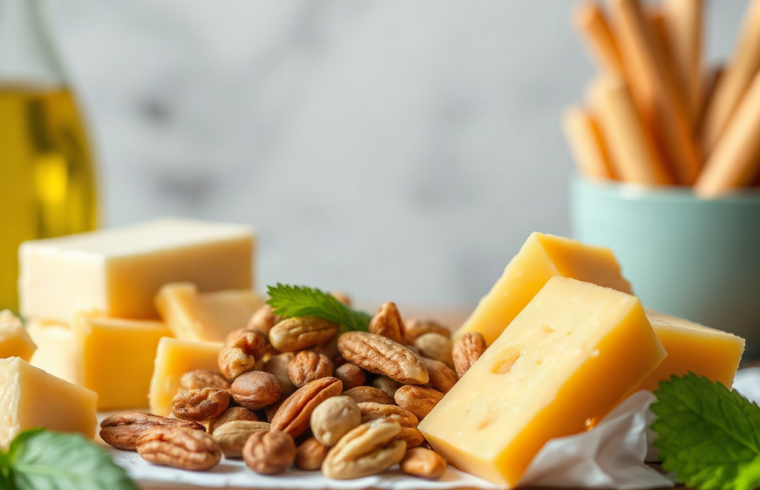
Nuts, seeds, and nut butters are more complicated. They provide protein, fiber, minerals, and unsaturated fats, so they can be useful parts of a balanced eating pattern. Their compact size, however, makes a bowl or jar poor at communicating how much has been eaten. A person intending to have a small snack may take repeated handfuls while working or watching television. Nut butter creates a similar issue because a rounded spoonful can be much larger than a level serving.
Cheese, cream cheese, avocado, pesto, mayonnaise, and creamy dips can also expand a meal’s energy content without adding much volume. Cheese is commonly added to eggs, sandwiches, salads, pasta, and bowls, while mayonnaise and pesto are often spread or stirred in rather than served as a clearly measured side. These foods are not interchangeable nutritionally, but they share a practical feature: a modest-looking addition can become several uncounted portions.
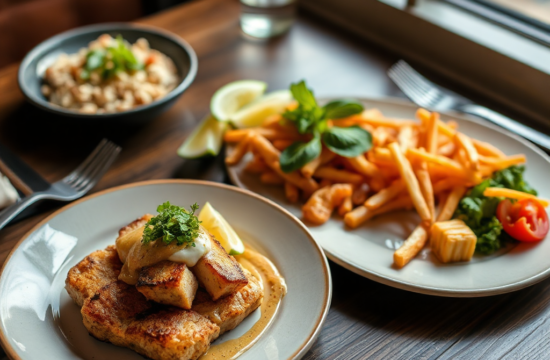
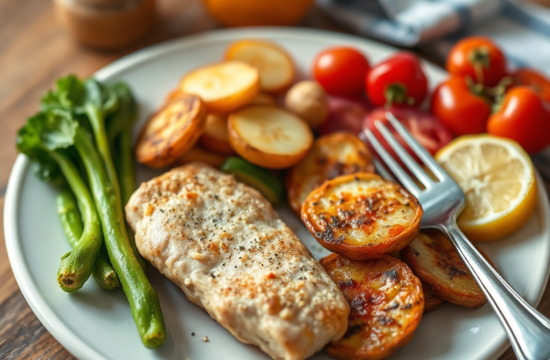
Fried foods and rich snack foods combine fat with highly palatable textures, starch, salt, or sugar. Fries, chips, doughnuts, pastries, creamy desserts, and fried appetizers are particularly easy to eat beyond planned amounts because they are ready to consume and often offered in large packages or restaurant servings. A baked potato with measured oil is easier to analyze than fries cooked in oil and served with a creamy sauce, even when both are described casually as a potato side.
Whole-food status should not be treated as a guarantee against overeating. A large quantity of trail mix, granola containing nuts and oil, or avocado-based dip can exceed a dieting target just as easily as a processed snack. Conversely, a packaged food is not automatically a poor choice if its portion is clear and it fits the meal. Check the eating context, portion visibility, and likelihood of repeated servings rather than relying only on labels such as natural or healthy.
How Preparation Changes Fat Intake
Preparation often determines whether fat remains a small ingredient or becomes the hidden center of the meal. Steaming vegetables and adding a measured dressing gives the eater control over the final amount. Sautéing the same vegetables in an unmeasured stream of oil, finishing them with butter, and adding cheese creates several separate opportunities for intake to rise. The food itself has not changed as much as the process has.
Consider a weekday grain bowl. The base may include rice, beans, vegetables, and chicken, but oil used for roasting, a spoonful of hummus, avocado, shredded cheese, and a creamy sauce can make the final meal far more concentrated than expected. A practical adjustment is to choose one primary rich addition and keep the other components lighter. For instance, measured tahini dressing may be paired with a modest amount of avocado rather than adding tahini, cheese, and oil independently.
Frying creates another challenge because the amount absorbed varies with the food, surface area, cooking temperature, and preparation method. Home cooking allows more control, but pan-frying can still involve extra oil if the pan is repeatedly replenished. Air-frying or baking may reduce the need for added oil, though brushing or spraying without measuring can still produce more than intended. These alternatives are useful for control, not because every fried food must be excluded.
Restaurant and takeout meals require a different approach. Oil, butter, cream, and cheese may be incorporated before the meal reaches the table, so removing visible sauce does not necessarily remove all of it. Asking for dressing or sauce on the side can improve control when that option is available. Choosing grilled rather than battered food may reduce one source of added fat, but the side dish, cheese, and finishing sauce can still determine the meal’s overall density.
A common mistake is to focus only on the headline ingredient. Someone may count the oil in a recipe while overlooking mayonnaise in a sandwich, or avoid nuts while freely adding dressing to a salad. Review the entire preparation chain: cooking fat, sauce, topping, snack accompaniment, and drinks or desserts eaten alongside the meal. The dieting fat portion check is most useful when it captures the additions that are easiest to forget.
A Practical Portion-Control System for Dieting
Portion control works better when it changes the eating environment instead of depending on constant restraint. The first step is to measure the fats that are poured or spread most often for several days. A measuring spoon, kitchen scale, or pre-portioned container can reveal whether the suspected problem is oil, nut butter, cheese, snacks, or a combination. The purpose is calibration, not permanent micromanagement.
Use a short priority list rather than trying to track every ingredient with equal intensity:
- Measure cooking oil, dressing, mayonnaise, butter, and nut butter.
- Serve nuts, seeds, cheese, and chocolate into a bowl instead of eating from the package.
- Keep high-density snacks away from the desk, sofa, or car when those settings encourage automatic eating.
- Build meals around protein-rich foods, vegetables, fruit, legumes, or whole grains so the rich addition is not carrying the entire meal.
Pre-portioning is particularly useful for foods that are easy to revisit. A small container of nuts or a defined amount of crackers creates a stopping point that a large open bag does not. The same principle applies to cheese blocks, hummus, granola, and dips. If a food is routinely eaten straight from its container, moving it to a plate or bowl may provide more control without banning it.
Support Your Weight Loss Goals Huge Discount on the Best Certified Organic Nutrient Dense Supplement!
Meal composition matters because a small amount of fat may be satisfying when paired with volume and protein. A tablespoon of dressing on a large vegetable-and-bean salad has a different eating experience from the same dressing used with a small serving of low-fiber crackers. Neither comparison determines an exact personal target, but it helps explain why reducing fat alone may leave some people hungry and more likely to snack later.
Review results over time rather than reacting to one day. An approach may be working when portions become predictable, meals remain satisfying, and unplanned additions decline. It may be failing when measured meals are followed by frequent grazing, when restaurant meals repeatedly erase the planned deficit, or when the person feels compelled to eliminate nutritious foods because a few rich items were difficult to portion. In that situation, adjust meal volume, protein, fiber, or food placement instead of imposing a stricter ban.
People who want more tailored ideas can use practical fat-portion examples alongside guidance from a registered dietitian, especially when medical conditions, medication effects, or a history of disordered eating complicate calorie tracking.
When Higher-Fat Foods Still Fit
Higher-fat foods can fit a dieting pattern when their portions are deliberate and their role in the meal is clear. Olive oil, nuts, seeds, avocado, oily fish, and dairy foods can contribute useful nutrients, but nutritional value does not make unlimited amounts compatible with every energy target. The relevant question is how much of the food is eaten, what it replaces, and whether it improves satisfaction enough to reduce later eating.
Substitution is usually more practical than simple addition. Adding avocado to a meal that already contains oil, cheese, and a creamy sauce may raise intake without improving fullness proportionally. Replacing one of those additions with avocado creates a clearer tradeoff. Similarly, using a measured amount of peanut butter on toast may be more manageable than eating it as an unplanned snack after a low-volume breakfast.
Fat quality and portion control are separate decisions. Replacing butter with an unmeasured amount of oil may change the fat profile but leave the total amount higher than planned. Choosing nuts over a highly processed snack may provide more fiber and micronutrients, yet a large bowl can still be difficult to fit. USDA FoodData Central can help compare the nutrient composition of individual foods, but a database entry cannot determine the portion that suits a particular person’s needs.
Dieting also has social and practical constraints. A person may prefer a normal restaurant meal, share dessert, or use convenience foods during a long workday. Rigid rules can make these situations harder to manage and may encourage an all-or-nothing response after one rich meal. A better plan might be a measured breakfast spread, a filling lunch, and a restaurant dinner with either a creamy sauce or a fried side rather than both. The choice should reflect hunger, availability, and what the person is willing to sustain.
Do not interpret difficulty portioning fat as a need to avoid all fat. Persistent hunger, fatigue, or preoccupation with food deserves attention, and people with conditions requiring specific dietary management should seek individualized medical or nutrition advice. The practical target is a visible, repeatable amount that supports the rest of the eating pattern rather than an arbitrary rule about one nutrient.
Frequently Asked Questions
Which fat is usually easiest to overeat?
Unmeasured oils are often the easiest because they are energy-dense, quick to pour, and difficult to estimate after cooking. Nut butter, nuts, cheese, creamy sauces, and fried foods create similar portion problems.
Are nuts too high in fat for dieting?
No. Nuts can fit when served into a defined portion. Eating from a large bag or repeatedly taking handfuls makes intake harder to judge than placing a planned amount in a bowl.
Is olive oil easier to overeat than butter?
Both can be overused, but oil is especially easy to pour without noticing. Changing from butter to oil may alter the fat profile, yet it does not solve excess intake unless the amount is controlled.
Should all added fats be removed during a diet?
Usually not. Removing every added fat may make meals less satisfying and can eliminate foods a person enjoys. Measuring the most frequently forgotten additions is generally a more sustainable first step.
How can restaurant fat intake be reduced?
Request sauces and dressings on the side when possible, select a simpler cooking method, and avoid stacking several rich additions such as fried sides, cheese, and creamy sauce in one meal.
Conclusion
The fats most likely to disrupt a dieting plan are the ones that combine high density with low visibility: poured oils, spreads, creamy sauces, nuts, nut butters, cheese, fried foods, and rich snacks. Begin by measuring the additions that are easiest to forget, then make a deliberate choice about which rich ingredient belongs in each meal. Use bowls, small containers, and sauce-on-the-side requests to create practical stopping points. Keep nutritious fat sources available, but treat their portion and replacement value separately from their health reputation. If hunger rises after aggressive restriction, improve meal volume and protein or seek individualized guidance rather than removing every fat source. A repeatable portion system is more useful than trying to identify one universally forbidden fat.
Support Your Weight Loss Goals
HUGE DISCOUNT ON THE BEST CERTIFIED ORGANIC NUTRIENT DENSE SUPPLEMENT!
Related Content
Further Reading
Authoritative Sources
- USDA FoodData Central
fdc.nal.usda.govOfficial food composition and nutrient data.
- CDC Nutrition
cdc.govOfficial public-health nutrition guidance and data.
- MedlinePlus Health Information
medlineplus.govConsumer health information from the U.S. National Library of Medicine.
- NIH Office of Dietary Supplements
ods.od.nih.govEvidence-based fact sheets about vitamins, minerals, supplements, and nutrition.