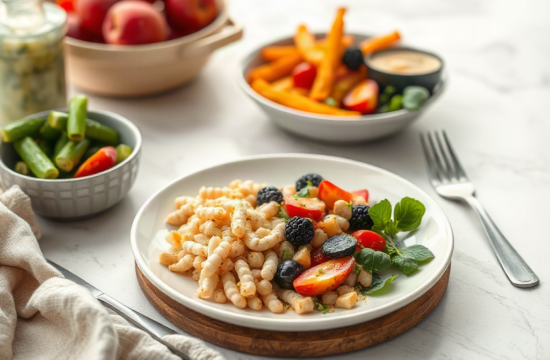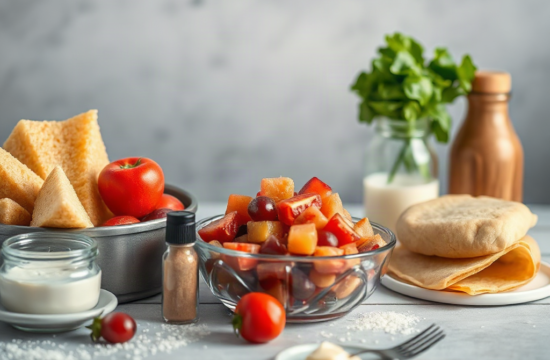
The role of meal variety in preventing diet boredom is crucial as it keeps individuals engaged and motivated in their dietary choices. By incorporating a diverse range of foods, including fruits, vegetables, proteins, and grains, people can enjoy different flavors and textures, reducing the monotony often associated with dieting. Additionally, meal variety can help ensure a broader nutrient intake, supporting overall health and wellness, while also making the dieting experience more enjoyable and sustainable over time.
Understanding Diet Boredom
Diet boredom occurs when individuals find their meal choices repetitive and unexciting, leading to decreased motivation and adherence to their dietary plans. This phenomenon can be detrimental to weight loss or health goals, as it often results in cravings for more stimulating food options or even abandoning the diet altogether. Recognizing the signs of diet boredom is essential for anyone looking to maintain a healthy eating pattern, as it can manifest as dissatisfaction with meals, a longing for indulgent foods, or a general lack of enthusiasm about cooking and meal preparation.
Understanding the psychological aspects of diet boredom is equally important. When food becomes monotonous, the enjoyment associated with eating diminishes. This can lead to emotional eating, where individuals seek out comfort foods to satisfy cravings rather than sticking to their planned meals. By addressing this boredom head-on, individuals can develop strategies to keep their diets interesting and enjoyable.
The Importance of Meal Variety
Meal variety is essential in preventing diet boredom as it enhances the overall dining experience and helps maintain dietary commitment. A diverse diet not only satisfies taste preferences but also ensures a comprehensive intake of essential nutrients. Different foods provide various vitamins, minerals, and antioxidants critical for optimal health, making variety a key player in nutritional adequacy.
Moreover, introducing a wide range of ingredients can lead to the discovery of new flavors and cooking methods, further enriching the meal experience. This exploration prevents the diet from feeling like a chore and encourages individuals to experiment with new recipes and cuisines, fostering a more positive relationship with food.
For instance, rotating fruits and vegetables each week can expose individuals to seasonal produce, which may taste better and offer different nutritional benefits. Additionally, varying protein sources—such as switching between chicken, fish, legumes, and tofu—can help maintain excitement around meals while ensuring a balanced diet.
Practical Ways to Incorporate Variety
Incorporating meal variety into daily routines can be straightforward with a few practical strategies. Here are several effective methods to ensure an engaging and diverse diet:
- Plan Weekly Menus: Create a weekly meal plan that includes different proteins, grains, and vegetables to ensure a balanced diet. Use a mix of cooking styles, such as grilling, roasting, and steaming, to keep meals exciting.
- Explore New Recipes: Set a goal to try a new recipe or ingredient each week. This can introduce new flavors and cooking techniques while expanding your culinary repertoire.
- Join a Cooking Class: Participating in a cooking class can provide hands-on experience with different cuisines and cooking styles, making meal preparation more enjoyable and educational.
- Use Seasonal Ingredients: Shopping for seasonal produce not only supports local farmers but also encourages the use of fresh ingredients, which can enhance flavor and nutrition in meals.
- Experiment with World Cuisines: Delve into global cuisines to discover unique dishes, spices, and cooking methods. This can open up a world of flavors and textures that keep meals interesting.
By actively seeking variety, individuals can create a more enjoyable eating experience that keeps diet boredom at bay.
Common Mistakes to Avoid
While striving for meal variety, it’s important to avoid certain pitfalls that can undermine dietary efforts. One common mistake is not planning meals effectively, which can lead to reliance on the same easy-to-prepare dishes. Without a plan, individuals may revert to familiar foods, increasing the risk of diet boredom.
Another mistake is not considering personal preferences or dietary restrictions when introducing variety. Forcing oneself to eat foods they dislike or that don’t align with their dietary needs can lead to frustration and dissatisfaction. Instead, individuals should focus on finding enjoyable alternatives that fit within their dietary framework.
Additionally, some may overcomplicate their diets by trying to incorporate too many new foods at once. This can lead to confusion and overwhelm, making it harder to maintain consistency. A gradual approach—introducing one or two new items each week—can foster positive habits without feeling burdensome.
Support Your Weight Loss Goals
Huge Discount on the Best Certified Organic Nutrient Dense Supplement!
Frequently Asked Questions
How does meal variety affect dieting success?
Meal variety can enhance dieting success by keeping individuals engaged and motivated, reducing the risk of cravings and diet abandonment.
What are some easy ways to add variety to my meals?
Consider trying new recipes, incorporating seasonal ingredients, and exploring different cuisines to easily add variety to your meals.
Can meal variety improve nutrition?
Yes, meal variety improves nutrition by ensuring a broader intake of essential vitamins, minerals, and other nutrients found in different foods.
Is it important to plan meals for variety?
Planning meals is crucial for incorporating variety, as it helps avoid repetitive choices and ensures a balanced diet throughout the week.
What should I do if I feel bored with my diet?
If you feel bored with your diet, consider introducing new foods, trying different cooking methods, or seeking inspiration from diverse cuisines.
Conclusion
Maintaining meal variety is vital for preventing diet boredom and ensuring adherence to dietary goals. By actively seeking diverse ingredients and recipes, individuals can create more enjoyable and sustainable eating experiences. Incorporating different foods not only enhances flavor and excitement but also supports nutritional needs. As you move forward, make meal planning a priority, and remember that exploring new culinary avenues can keep your diet fresh and fulfilling.
Support Your Weight Loss Goals
HUGE DISCOUNT ON THE BEST CERTIFIED ORGANIC NUTRIENT DENSE SUPPLEMENT!
Further Reading
Authoritative Sources
- The importance of variety in your meal prep to prevent ...
fuelchef.comVariety can help prevent boredom: Eating the same meals every day can get old quickly. By including a variety of foods in your meal prep, you can keep things
- The Importance of Variety in Your Diet
healthyforlifemeals.comA varied diet prevents boredom and makes cooking fun. One of the most common complaints about healthy eating is that it's boring and lacking in ...
- Dietary strategies for preventing and managing obesity ...
link.springer.comThe consumption of balanced, nutrient-dense foods has a profound impact on energy regulation, hormonal balance, and overall health, making it an ...
- The Myth of Variety: Why Boredom is the Key to Your Health ...
profoundlyimprovinglives.comVariety and joy stop being about food and start being about living. It's about embracing consistency, simplifying decisions, and focusing on ...