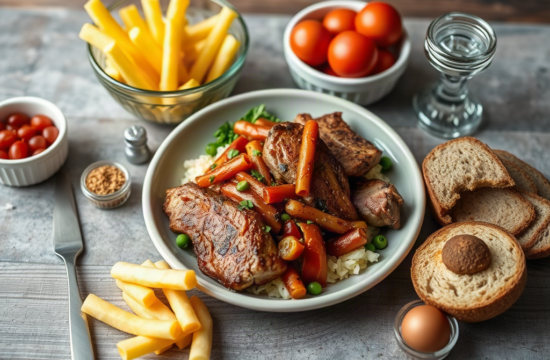
To deal with peer pressure regarding food choices, focus on clear communication about your dietary preferences and establish personal boundaries. It’s important to choose supportive environments and friends who respect your choices. Practicing assertiveness can help you confidently decline unwanted food offers while also being open about your health goals. Additionally, preparing your own meals or snacks can provide you with satisfying options that align with your dietary needs, reducing the chances of succumbing to peer pressure.
Understanding Peer Pressure in Food Choices
Peer pressure regarding food choices often stems from social dynamics where individuals feel compelled to conform to the eating habits of their friends or family. This pressure can manifest in various forms, such as the expectation to indulge in unhealthy foods during gatherings or to share meals that don’t align with personal dietary preferences. Understanding the psychological mechanisms behind this pressure is crucial. Many people may fear judgment or exclusion, which can lead to compromising their health goals.
Psychologically, the desire to fit in is a powerful motivator, especially in social settings. Individuals may experience anxiety about being perceived as different or overly health-conscious. Recognizing these feelings can empower individuals to navigate social situations with more confidence. The first step in combating peer pressure is acknowledging that it exists and understanding its impact on personal choices.
Communicating Your Food Preferences
Effectively communicating your food preferences is essential in dealing with peer pressure. When you clearly express your dietary choices, it sets the tone for how others perceive and respect those choices. Start by discussing your preferences openly with friends and family, explaining your reasons—whether they stem from health, ethical considerations, or personal taste.
When making your preferences known, consider using assertive yet polite language. Phrases like “I prefer to eat healthier options” or “I’m trying to avoid sugary snacks right now” can convey your stance without alienating others. It’s also helpful to practice these conversations beforehand, so you feel more comfortable when the situation arises.
Building a Supportive Network
Surrounding yourself with supportive individuals can significantly reduce the effects of peer pressure regarding food choices. Friends and family who respect your dietary preferences will encourage you to stick to your goals and may even join you in healthier eating habits. Look for social groups or communities that share similar dietary goals, such as healthy eating clubs or fitness groups.
Engaging with like-minded individuals not only provides support but also creates a positive environment where healthy choices are celebrated rather than scrutinized. If you find yourself in a social setting where your choices are challenged, having a friend who understands your perspective can provide the necessary backing to stay firm in your decisions.
Practical Strategies to Resist Temptation
When faced with peer pressure, having practical strategies in place can empower you to make healthier choices. Here are some actionable tips:
- Prepare Ahead: Bring your own snacks or meals to social events. This ensures you have healthy options available and reduces the likelihood of succumbing to unhealthy peer pressure.
- Practice Assertiveness: Learn to say no gracefully. You can decline food offers without feeling guilty by expressing gratitude and stating your dietary choices firmly.
- Focus on the Social Aspect: Shift your focus from food to the social interactions at hand. Engage in conversations and activities that distract from food temptations.
- Limit Exposure: If certain situations consistently lead to unhealthy choices, consider avoiding them or suggesting alternative activities that don’t revolve around food.
Implementing these strategies can help you navigate social situations more comfortably, allowing you to maintain your health goals without feeling overwhelmed by peer pressure.
Support Your Weight Loss Goals
Huge Discount on the Best Certified Organic Nutrient Dense Supplement!
Frequently Asked Questions
What should I do if my friends pressure me to eat unhealthy food?
Communicate your dietary preferences clearly and assertively. You can explain your reasons for choosing healthier options and suggest alternative activities that don't center around food.
How can I handle social situations where unhealthy food is the focus?
Focus on the social interactions rather than the food. Engage in conversations and activities that shift the attention away from eating, and consider bringing your own healthy snacks.
Is it okay to say no to food offers from friends?
Absolutely. It’s perfectly fine to decline food offers. Practice saying no politely, and remember that true friends will respect your choices.
How do I find supportive friends who respect my food choices?
Seek out groups or communities with similar dietary goals, like healthy eating clubs or fitness groups. Surrounding yourself with like-minded individuals can provide the support you need.
What can I do if I feel anxious about declining food?
Practice your responses in advance to build confidence. Remember that you have the right to prioritize your health, and assertiveness can help you feel more comfortable in social settings.