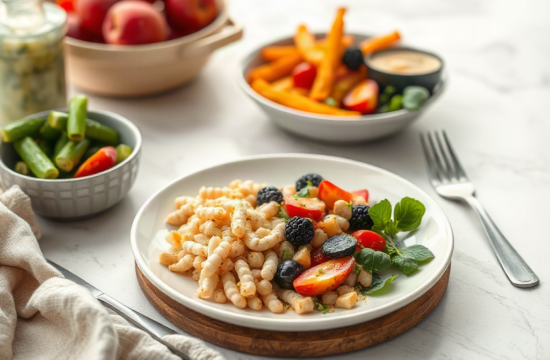
To handle cravings during stress, it's essential to recognize emotional triggers and develop healthier coping strategies. Engaging in activities like exercise, mindfulness, or journaling can effectively distract from cravings and reduce stress levels. Keeping healthy snacks on hand is also beneficial, as it allows you to satisfy hunger without resorting to unhealthy options. Understanding the link between stress and cravings empowers you to make proactive choices, ultimately leading to better emotional and physical well-being.
Understanding Stress and Cravings
Stress significantly influences our eating behaviors, often leading to cravings for high-calorie comfort foods. This reaction is primarily driven by hormonal changes, particularly the release of cortisol, which can increase appetite and cravings for sugary or fatty foods. Recognizing that cravings during stressful times are a natural response can help in developing strategies to manage them effectively.
During stress, the body seeks quick energy sources, which often come in the form of unhealthy foods. Understanding this mechanism is crucial for addressing cravings. Instead of succumbing to these urges, individuals can learn to redirect their focus towards healthier choices. This understanding serves as the foundation for creating effective coping strategies.
Identifying Triggers of Cravings
Identifying specific triggers that provoke cravings is vital in managing emotional eating. Triggers can range from emotional states like anxiety and sadness to environmental cues such as seeing certain foods or experiencing specific situations. Keeping a food diary can help in pinpointing these triggers, allowing for better awareness and control.
For example, if stress at work leads to cravings for chocolate, recognizing this pattern can help in developing a proactive approach. Rather than waiting for the cravings to strike, individuals can prepare healthier snacks or engage in alternative activities during high-stress periods. This proactive stance can significantly reduce the frequency and intensity of cravings.
Healthy Alternatives to Satisfy Cravings
When cravings strike, having healthy alternatives on hand can prevent unhealthy choices. Instead of reaching for chips or cookies, consider options like nuts, yogurt, or fresh fruit. These alternatives not only satisfy cravings but also provide essential nutrients that support overall well-being.
Additionally, preparing meals in advance can help in making healthier choices easier. When stress hits and the urge to snack arises, having pre-portioned healthy snacks available reduces the temptation to indulge in junk food. This preparation can create a buffer against the impulsivity that often accompanies cravings during stressful times.
Coping Mechanisms to Manage Stress
Developing effective coping mechanisms is crucial for managing stress and, consequently, cravings. Activities such as physical exercise, mindfulness meditation, and breathing exercises can significantly reduce stress levels, thereby decreasing the likelihood of cravings. Regular physical activity not only improves mood but also helps regulate appetite.
Mindfulness practices, such as meditation or yoga, can enhance self-awareness, allowing individuals to recognize cravings without acting on them impulsively. Engaging in these practices regularly can create a mental buffer against stress-induced cravings, helping to maintain a healthier relationship with food.
Frequently Asked Questions
What causes cravings during stress?
Cravings during stress are primarily caused by hormonal changes, particularly increased cortisol levels, which drive the desire for high-calorie comfort foods.
How can I identify my cravings?
Keeping a food diary can help identify patterns and triggers related to cravings, making it easier to manage them effectively.
What are some healthy snacks for cravings?
Healthy snacks can include fruits, nuts, yogurt, or vegetable sticks, which provide nutrients and help satisfy cravings without excessive calories.
How does exercise help with cravings?
Exercise reduces stress levels and releases endorphins, which can help mitigate cravings and improve overall mood.
What are some coping mechanisms for managing stress?
Coping mechanisms include physical activities, mindfulness practices, and relaxation techniques, all of which can help reduce stress and cravings.
Conclusion
Effectively managing cravings during stress involves understanding the underlying causes and implementing proactive strategies. By identifying triggers and incorporating healthy alternatives, individuals can navigate emotional eating more successfully. Engaging in regular physical activity and mindfulness practices further supports stress reduction, creating a healthier relationship with food. Taking actionable steps towards managing cravings can lead to improved well-being and dietary choices.