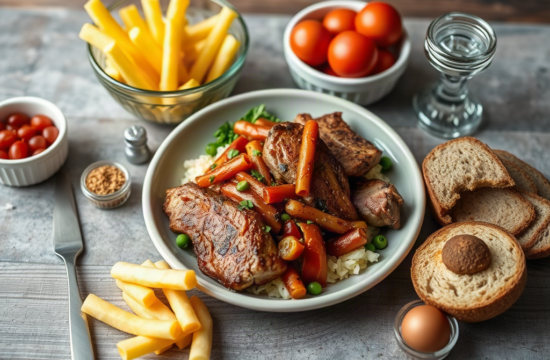
Meal timing is crucial for fat loss as it influences metabolism, appetite regulation, and energy management throughout the day. Eating at specific intervals can enhance metabolic rate, reduce hunger hormones, and improve nutrient utilization. For instance, consuming protein-rich meals earlier can help maintain muscle mass while promoting fat loss. Additionally, aligning meals with physical activity can optimize energy expenditure and recovery. Overall, strategic meal timing significantly impacts weight management outcomes.
The Science Behind Meal Timing
Meal timing plays a significant role in fat loss by affecting how the body processes food and utilizes energy. Research has shown that when you eat can be just as important as what you eat. This is due to the body’s circadian rhythms, which influence metabolic processes. Eating in sync with these rhythms can enhance fat oxidation and improve overall metabolic health.
For example, studies indicate that consuming larger meals earlier in the day aligns with the body’s natural insulin sensitivity, promoting better glucose metabolism and fat utilization. In contrast, late-night eating can lead to increased fat storage and weight gain. Understanding these biological patterns helps in creating effective meal timing strategies for fat loss.
Impact on Metabolism and Hormones
Meal timing affects various hormones that are critical for fat loss, including insulin, ghrelin, and leptin. Insulin, which is released in response to food intake, plays a vital role in fat storage and energy utilization. Eating at the right times can help maintain balanced insulin levels, reducing the risk of fat accumulation.
Ghrelin, known as the hunger hormone, increases appetite, while leptin signals satiety. Proper meal timing can help regulate these hormones, minimizing hunger and promoting feelings of fullness. For instance, spacing meals appropriately and incorporating protein can help lower ghrelin levels, making it easier to adhere to a calorie deficit.
Practical Meal Timing Strategies
Implementing effective meal timing strategies can significantly enhance fat loss efforts. One popular method is intermittent fasting, which involves cycling between periods of eating and fasting. This approach not only helps reduce overall caloric intake but also improves metabolic flexibility.
Another strategy is to prioritize nutrient timing, which focuses on consuming specific nutrients at strategic times. For example, eating protein-rich meals after workouts can aid in muscle recovery and growth, which is essential for maintaining a healthy metabolism. Additionally, avoiding high-carb meals late in the evening can prevent insulin spikes and promote fat burning overnight.
Common Mistakes in Meal Timing
Despite the benefits of meal timing, many individuals make common mistakes that hinder their fat loss goals. One major error is skipping meals, thinking it will lead to weight loss. However, skipping meals can lead to increased hunger later, resulting in overeating.
Another mistake is not considering individual schedules and lifestyles. Rigid meal timing may not be sustainable for everyone, and flexibility is key to long-term success. It’s important to find a meal timing approach that fits your personal routine while still aligning with your body’s natural rhythms.
Support Your Weight Loss Goals
Huge Discount on the Best Certified Organic Nutrient Dense Supplement!
Frequently Asked Questions
How does meal timing affect weight loss?
Meal timing can influence metabolism and hormone levels, which are critical for weight management.
Is intermittent fasting effective for fat loss?
Yes, intermittent fasting can help reduce caloric intake and improve metabolic health, aiding in fat loss.
What is the best meal timing strategy?
The best strategy varies individually, but eating larger meals earlier in the day often aligns with metabolic efficiency.
Can skipping meals help with weight loss?
Skipping meals often leads to increased hunger and can result in overeating, making it counterproductive for weight loss.
How can I maintain meal timing flexibility?
Listen to your body’s hunger cues and adjust meal times according to your daily routine for sustainable eating habits.
Conclusion
Meal timing is a powerful tool for those looking to lose fat effectively. By understanding the science behind meal timing and its impact on metabolism and hormones, individuals can create personalized strategies that align with their lifestyles. Prioritizing nutrient timing, avoiding common mistakes, and ensuring flexibility can enhance adherence to dietary goals. Ultimately, finding a meal timing pattern that works for you is crucial for long-term success in fat loss.