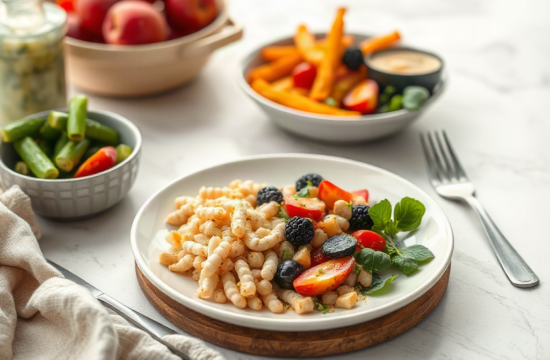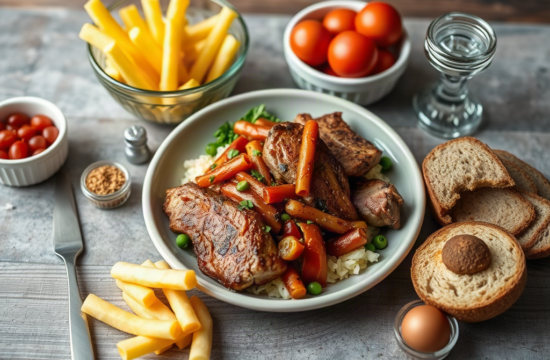
To choose healthier options at fast food restaurants, focus on selecting grilled items over fried, opting for salads or wraps instead of burgers, and avoiding sugary drinks. Look for menu items that include whole grains, vegetables, and lean proteins. Be mindful of portion sizes and consider asking for dressings or sauces on the side to control calorie intake. Understanding the nutritional information available can help you make informed choices that align with your dietary goals.
Understanding Menu Options
When navigating fast food menus, it’s crucial to recognize which options are inherently healthier. Many restaurants now offer grilled chicken sandwiches, salads, and vegetable sides that can serve as nutritious alternatives to traditional fried items. Look for meals that emphasize lean proteins, such as turkey or fish, and those that incorporate whole grains like brown rice or whole wheat bread. Understanding these distinctions enables you to make selections that are not only satisfying but also better for your health.
Common pitfalls include assuming that all salads are healthy. Many salads come loaded with high-calorie dressings and toppings that can negate their benefits. Always check if the salad is accompanied by creamy dressings or fried toppings, which can significantly increase the calorie count. Instead, consider ordering dressings on the side and opting for vinaigrettes or lighter alternatives.
Reading Nutrition Labels
Fast food chains often provide nutritional information on their websites or in-store, making it easier for you to make informed decisions. Familiarizing yourself with how to read these labels is essential. Look for total calories, saturated fat, sodium, and added sugars. These elements can help you gauge whether a meal fits within your daily dietary needs.
For instance, a meal that appears healthy due to its low-calorie count may still be high in sodium, which can be detrimental to heart health. Aim for meals that offer a balance of macronutrients—proteins, fats, and carbohydrates—without excessive sodium or sugar. Understanding these values can also help you compare different menu items more effectively.
Making Smart Substitutions
One effective strategy for healthier eating at fast food restaurants is making smart substitutions. For instance, you can swap out fries for a side salad or fruit cup. Many restaurants now offer these healthier alternatives, so don’t hesitate to ask. Additionally, if a meal comes with a sugary drink, consider opting for water, unsweetened tea, or sparkling water instead.
Another useful substitution is to choose whole-grain buns or wraps instead of white bread. Whole grains are richer in fiber and nutrients, contributing to satiety and better digestion. When ordering breakfast, consider choosing egg whites or an egg-based item without the cheese and heavy sauces to reduce calorie intake while still enjoying a fulfilling meal.
Portion Control Strategies
Portion sizes at fast food restaurants can be significantly larger than necessary. To manage portion control, consider ordering smaller sizes or sharing meals with someone else. Many chains offer smaller portion options, such as junior or snack sizes, which can help you enjoy your favorite foods without overindulging.
Another effective technique is to eat mindfully. Take your time to savor each bite, which can lead to greater satisfaction with smaller portions. Listening to your body’s hunger cues is vital; if you feel full, it’s okay to leave food on your plate. This approach not only helps prevent overeating but also promotes a healthier relationship with food.
For more detailed insights on making healthy choices at fast food restaurants, consider visiting reputable health organizations or nutrition-focused websites. These resources often provide tips, recipes, and the latest research on nutrition and healthy eating habits.
Support Your Weight Loss Goals
Huge Discount on the Best Certified Organic Nutrient Dense Supplement!
Frequently Asked Questions
What are the healthiest fast food options available?
Healthiest options typically include grilled chicken sandwiches, salads with lean proteins, and sides like fruit or vegetables. Always check the nutritional info to make informed choices.
How can I make fast food healthier?
To make fast food healthier, opt for grilled items, choose smaller portion sizes, and substitute fries with salads or fruit. Additionally, avoid sugary drinks.
Is it okay to eat fast food occasionally?
Yes, eating fast food occasionally is fine. The key is moderation and making healthier choices when you do indulge.
What should I avoid at fast food restaurants?
Avoid items that are deep-fried, high in added sugars, and those with excessive sodium. Items like large fries, sugary sodas, and creamy dressings should be minimized.
How can I control portion sizes at fast food places?
Control portion sizes by ordering smaller sizes, sharing meals, or opting for combo meals that offer smaller portions of fries and drinks.
Conclusion
Choosing healthier options at fast food restaurants involves understanding menu choices, reading nutrition labels, making smart substitutions, and controlling portion sizes. By being mindful of these strategies, you can enjoy fast food while still prioritizing your health. Focus on balanced meals that include lean proteins, whole grains, and plenty of vegetables, and remember that moderation is key. With a little planning and awareness, fast food can fit into a healthy lifestyle.