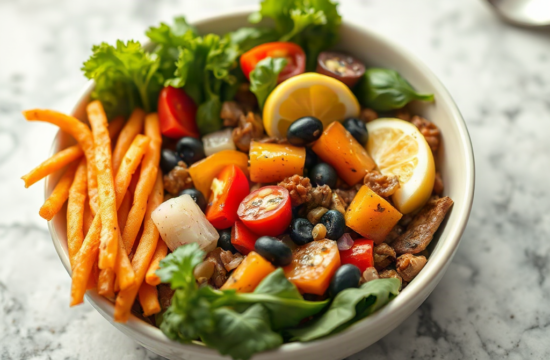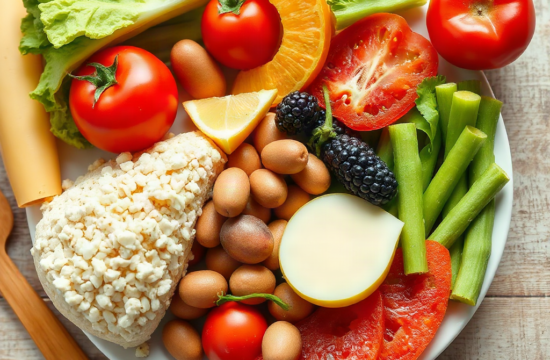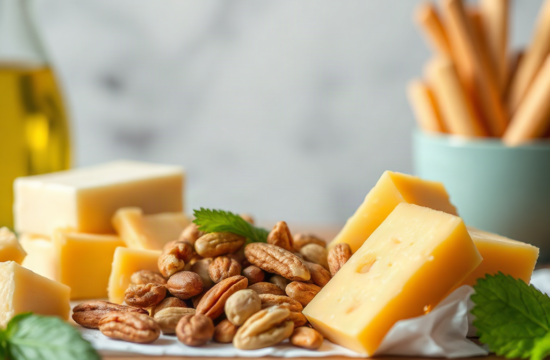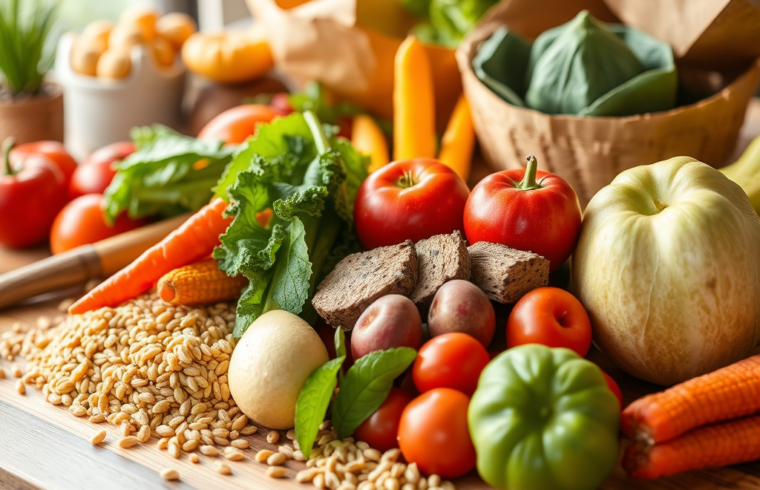
To identify nutrient-dense foods, focus on those that provide high levels of vitamins, minerals, and other beneficial nutrients relative to their calorie content. Look for whole foods such as fruits, vegetables, whole grains, lean proteins, and healthy fats. Avoid processed foods that are high in added sugars and unhealthy fats, as they often lack essential nutrients. A practical approach is to read food labels and choose items with fewer ingredients and higher nutrient content per serving.
Understanding Nutrient Density
Nutrient density refers to the amount of essential nutrients a food contains relative to its calorie content. Foods that are nutrient-dense provide a high level of vitamins, minerals, and other beneficial compounds without being high in calories. For example, leafy greens are nutrient-dense because they contain significant amounts of vitamins A, C, K, and various minerals while being low in calories. Understanding nutrient density is crucial for making informed dietary choices, especially in a world where processed foods dominate grocery store shelves.
When evaluating nutrient density, consider both the quality and quantity of nutrients. Whole foods, such as fruits, vegetables, whole grains, lean proteins, and nuts, are typically more nutrient-dense than processed foods, which often contain added sugars, unhealthy fats, and preservatives. By prioritizing nutrient-dense foods, individuals can better meet their nutritional needs and support overall health.
Key Characteristics of Nutrient-Dense Foods
Nutrient-dense foods exhibit several key characteristics that set them apart from their less nutritious counterparts. Firstly, they are typically whole or minimally processed. Foods like fresh fruits and vegetables, whole grains, and unprocessed meats are examples. These foods retain their natural nutrients and are generally free from artificial additives.
Another characteristic is a high ratio of nutrients to calories. For instance, broccoli is low in calories yet rich in vitamins, minerals, and fiber. In contrast, a sugary snack might be high in calories but offers little to no nutritional value. Understanding this ratio helps consumers make better food choices.
Lastly, nutrient-dense foods often contain beneficial compounds such as antioxidants, fiber, and healthy fats. These compounds contribute to overall health and may reduce the risk of chronic diseases. For example, fatty fish like salmon provide omega-3 fatty acids, which are beneficial for heart health.
Practical Tips for Choosing Nutrient-Dense Foods
Choosing nutrient-dense foods involves several practical strategies. Start by filling your plate with colorful fruits and vegetables. The more colors you include, the broader the range of nutrients you’re likely to consume. Aim for at least five servings of fruits and vegetables daily, focusing on those that are in season for maximum flavor and nutrient content.
Next, opt for whole grains over refined grains. Whole grains like quinoa, brown rice, and oats retain their fiber and nutrients, making them a healthier choice. When shopping for grains, check the ingredient list and look for terms like ‘whole’ or ‘100% whole grain’ to ensure you’re selecting nutrient-dense options.
Additionally, incorporate lean proteins such as chicken, fish, beans, and legumes into your meals. These foods provide essential amino acids and other nutrients without the extra calories found in fatty cuts of meat. Lastly, include healthy fats from sources like avocados, nuts, and olive oil. These fats not only enhance the flavor of your meals but also support overall health.
Common Mistakes to Avoid
When aiming to choose nutrient-dense foods, individuals often make several common mistakes. One frequent error is focusing solely on calorie count while ignoring nutrient quality. While managing caloric intake is important, it should not come at the expense of essential nutrients. Some low-calorie foods may lack the necessary vitamins and minerals needed for optimal health.
Another mistake is relying too heavily on processed foods marketed as healthy. Many products labeled as ‘low-fat’ or ‘sugar-free’ can be misleading. These foods may contain artificial ingredients or added sugars that negate their health benefits. Always read labels carefully and prioritize whole foods whenever possible.
Support Your Weight Loss Goals
Huge Discount on the Best Certified Organic Nutrient Dense Supplement!
In closing, neglecting to diversify your diet can limit nutrient intake. Eating a wide variety of foods ensures that you receive a comprehensive range of nutrients. Incorporate different fruits, vegetables, grains, and protein sources to support a well-rounded diet.
Frequently Asked Questions
What are nutrient-dense foods?
Nutrient-dense foods are those that provide a high amount of vitamins and minerals relative to their calorie content, such as fruits, vegetables, whole grains, and lean proteins.
How can I incorporate more nutrient-dense foods into my diet?
Start by adding more fruits and vegetables to your meals, choosing whole grains over refined ones, and incorporating lean proteins and healthy fats.
Why are nutrient-dense foods important?
Nutrient-dense foods help meet your nutritional needs without excessive calories, supporting overall health and reducing the risk of chronic diseases.
Are all low-calorie foods nutrient-dense?
No, not all low-calorie foods are nutrient-dense. Some may lack essential nutrients, so it's important to evaluate both calorie content and nutrient quality.
How do I read food labels to find nutrient-dense options?
Look for foods with fewer ingredients, high levels of vitamins and minerals, and lower amounts of added sugars and unhealthy fats. Whole foods are often the best choices.
Conclusion
Identifying nutrient-dense foods is essential for maintaining a balanced diet and promoting long-term health. By focusing on whole, minimally processed foods rich in essential nutrients, individuals can achieve better health outcomes while enjoying a diverse and satisfying diet. Prioritize colorful fruits and vegetables, whole grains, lean proteins, and healthy fats to maximize nutrient intake. Remember to read food labels carefully and avoid common pitfalls such as relying on processed foods or focusing solely on calorie counts. Making these informed choices can lead to a healthier lifestyle.