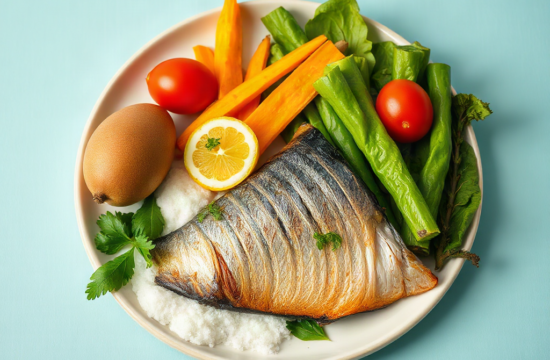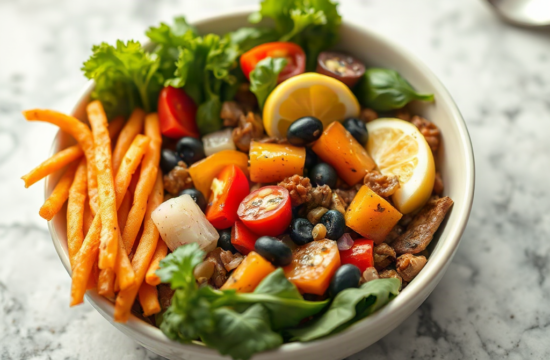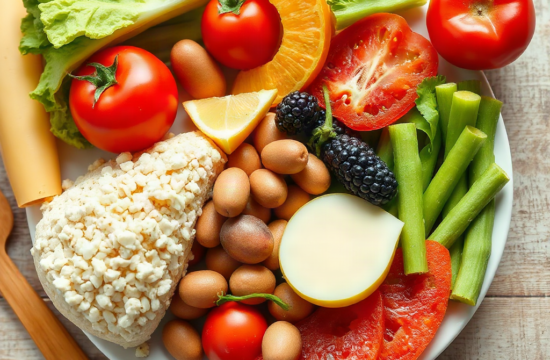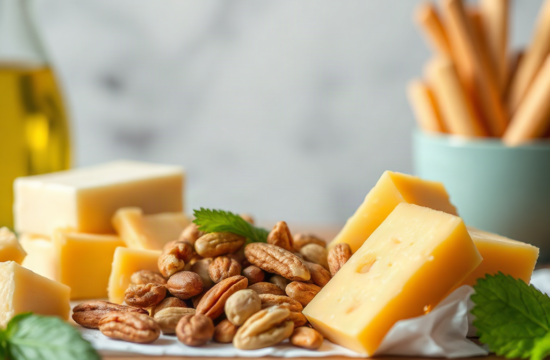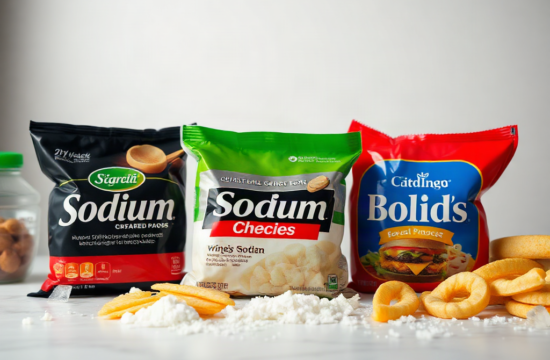
Food additives can significantly impact dieting success by influencing appetite, metabolism, and overall health. For instance, artificial sweeteners may lead to increased cravings, while certain preservatives can disrupt gut health, making it harder to lose weight. To enhance dieting efforts, it's advisable to read ingredient labels carefully and limit the intake of processed foods high in additives. Opting for whole, minimally processed foods can help mitigate these risks and support healthier eating habits. Understanding the specific effects of various additives empowers dieters to make informed choices that align with their weight loss goals.
Understanding Food Additives
Food additives are substances added to food products to enhance flavor, appearance, or preservation. Their usage is widespread in processed foods, which can make it challenging for dieters to avoid them. Understanding what food additives are and why they are used is essential for anyone looking to succeed in dieting. Additives can range from natural ingredients, like salt and vinegar, to synthetic compounds, such as artificial colors and flavors.
Many additives are safe and regulated, but others may have unintended effects on health and dieting success. For example, certain emulsifiers and stabilizers can alter gut microbiota, potentially impacting metabolism and appetite regulation. Recognizing these effects helps dieters make informed choices about what they consume.
Types of Food Additives and Their Effects
Food additives can be classified into several categories, each with distinct effects on dieting success. Common types include:
- Preservatives: Used to prolong shelf life, preservatives like sodium benzoate can alter gut health by affecting the microbiome.
- Artificial Sweeteners: Substances like aspartame and sucralose may trick the brain into craving more sugar, potentially leading to overeating.
- Coloring Agents: These additives enhance visual appeal but can sometimes cause allergic reactions or behavioral issues in sensitive individuals.
- Emulsifiers: Compounds such as polysorbate 80 can disrupt gut bacteria balance, leading to increased fat storage and reduced energy metabolism.
Understanding these categories helps dieters identify which additives to avoid for better dieting outcomes. For instance, choosing whole, minimally processed foods can significantly reduce exposure to harmful additives.
The Role of Additives in Weight Management
Food additives can play a crucial role in weight management, influencing how the body processes food. Many synthetic additives can disrupt hormonal balance and metabolism, leading to weight gain or difficulty losing weight. For example, research has shown that artificial sweeteners can lead to increased cravings for sweet foods, resulting in higher calorie intake.
Moreover, additives can also impact satiety signals. Ingredients like high-fructose corn syrup, often found in processed foods, can lead to insulin resistance, making it harder for individuals to manage their weight effectively. Recognizing the role of these additives can empower dieters to make better choices and avoid pitfalls associated with processed foods.
Support Your Weight Loss Goals
Huge Discount on the Best Certified Organic Nutrient Dense Supplement!
Practical Tips for Navigating Food Additives
To mitigate the negative impact of food additives on dieting success, consider the following practical tips:
- Read Labels: Always check food labels for additives and choose products with fewer ingredients.
- Opt for Whole Foods: Focus on fresh fruits, vegetables, and whole grains, which are less likely to contain harmful additives.
- Cook at Home: Preparing meals at home allows for better control over ingredients and reduces reliance on processed foods.
- Be Mindful of Portion Sizes: Even healthy foods can contribute to weight gain if consumed in large quantities, especially those with additives.
By implementing these strategies, dieters can effectively navigate food additives and enhance their chances of dieting success.
Further Reading
Support Your Weight Loss Goals
HUGE DISCOUNT ON THE BEST CERTIFIED ORGANIC NUTRIENT DENSE SUPPLEMENT!
Related Content
- Common Barriers to Sticking with a Diet: Real-Life Challenges and Practical Solutions
- The Smart Way to Start Dieting for Beginners: A Simple Guide to Sustainable Health and Wellness
- 10 Effective weight loss tips in a week: The Best Guide for 2025
- The Truth About Sugar in All-Natural Dieting
- Weight Loss Tips That Feel Natural: Simple Methods for Everyday Success