Meal prep greatly influences dieting success by promoting healthier eating habits and better portion control. By preparing meals in advance, individuals can avoid the pitfalls of impulsive eating and ensure they have nutritious options readily available. This practice not only helps in managing cravings but also saves time during busy weekdays, allowing for consistent adherence to dietary goals. A practical tip is to dedicate a specific day each week for meal prep, ensuring that meals are balanced and tailored to personal nutritional needs. This proactive approach can lead to more sustainable weight management and a healthier lifestyle overall.
Understanding Meal Prep
Meal prep refers to the process of planning and preparing meals ahead of time to promote healthier eating habits. This strategy is particularly beneficial for individuals on a diet, as it allows for better control over ingredients, portion sizes, and nutritional content. By understanding meal prep’s core components, individuals can tailor their approach to suit their dietary needs and lifestyle.
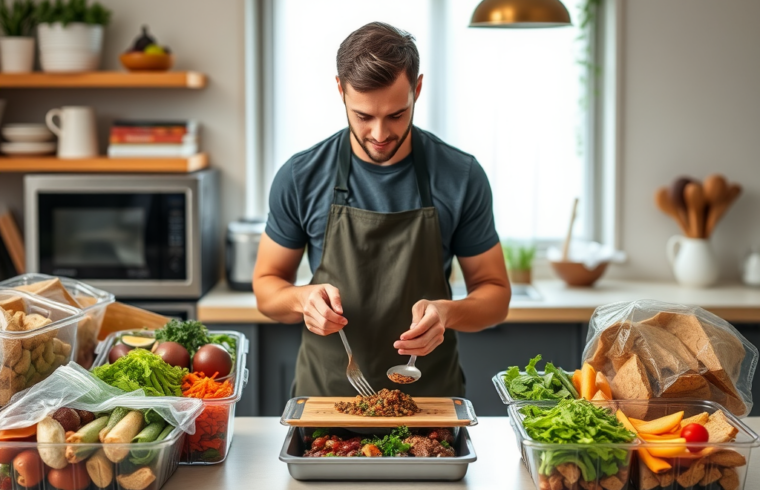
Meal prep can vary from simple tasks, like chopping vegetables or cooking grains in bulk, to fully preparing meals for the week. The key is to find a system that fits your schedule and dietary goals. It often involves selecting recipes, grocery shopping, and setting aside time to cook and package meals efficiently.
Benefits of Meal Preparation
Meal preparation offers numerous advantages that contribute to dieting success. One of the primary benefits is the ability to control portion sizes, which is crucial for managing calorie intake. By pre-portioning meals, individuals can avoid overeating and ensure they stick to their dietary goals.
Additionally, meal prep reduces the temptation to indulge in unhealthy foods. When healthy meals are readily available, the likelihood of resorting to fast food or high-calorie snacks diminishes. This proactive approach helps maintain a balanced diet and reduces impulsive eating behaviors.
Another significant advantage is time management. Preparing meals in advance can save time during busy weekdays, allowing individuals to eat healthily without spending excessive time cooking each day. This efficiency can lead to increased consistency in dietary habits, a key factor in long-term weight management.
How to Effectively Meal Prep
To achieve success with meal prep, several strategies can be employed. First, start by selecting a day each week dedicated to meal preparation. This could be a weekend day when you have more free time. Choose recipes that are easy to prepare in bulk and can be stored well, such as casseroles, soups, or stir-fries.
Next, create a shopping list based on your selected recipes. This ensures you have all necessary ingredients on hand, reducing the likelihood of impulse purchases at the grocery store. When cooking, consider batch cooking proteins, grains, and vegetables that can be mixed and matched throughout the week.
Storage is another critical element. Invest in quality containers that are microwave and dishwasher safe, allowing for easy reheating and cleaning. Label containers with dates and contents to keep track of freshness, ensuring you consume meals before they spoil.
Common Mistakes in Meal Prep
While meal prep can be highly effective, several common mistakes can hinder success. One frequent pitfall is over-preparing meals. Cooking too much food can lead to waste if meals aren’t consumed in a timely manner. It’s essential to gauge how much food you realistically eat in a week and adjust your meal prep accordingly.
Another mistake is not varying meals enough. Repeatedly eating the same dishes can lead to boredom, making it harder to stick to a diet. Incorporate a variety of recipes and flavors to keep meals exciting and enjoyable.
Support Your Weight Loss Goals
Huge Discount on the Best Certified Organic Nutrient Dense Supplement!
Lastly, neglecting to account for changes in schedule can disrupt meal prep routines. Life can be unpredictable, so having backup options, like frozen meals or quick snacks, can help maintain dietary consistency even when plans change.
Frequently Asked Questions
What is meal prep and why is it important?
Meal prep involves planning and preparing meals ahead of time. It's important because it helps control portion sizes, reduce unhealthy eating, and save time.
How can meal prep help with dieting?
Meal prep helps with dieting by ensuring that healthy meals are readily available, which reduces the temptation to eat unhealthy foods and helps maintain portion control.
What are some easy meal prep ideas?
Easy meal prep ideas include overnight oats, salads in jars, stir-fries, and baked chicken with vegetables. These can be prepared in bulk and stored for the week.
How long can meal prepped food last in the fridge?
Generally, meal prepped food can last in the fridge for about 3-5 days. It's important to store meals properly and check for spoilage before consumption.
What containers are best for meal prep?
Containers that are microwave-safe, leak-proof, and BPA-free are best for meal prep. Glass containers are often preferred for their durability and ease of cleaning.
Conclusion
Meal prep plays a pivotal role in achieving dieting success by promoting healthier eating habits and providing structure to meal planning. By understanding the benefits and effectively implementing meal prep strategies, individuals can enhance their chances of sticking to their dietary goals. Prioritizing variety, proper portioning, and time management will lead to a more sustainable approach to healthy eating. As you embark on your meal prep journey, remember to be flexible and adapt your strategies as needed to fit your lifestyle.
Support Your Weight Loss Goals
HUGE DISCOUNT ON THE BEST CERTIFIED ORGANIC NUTRIENT DENSE SUPPLEMENT!
Further Reading
Authoritative Sources
- Meal Prep Guide - The Nutrition Source
nutritionsource.hsph.harvard.eduSome benefits of meal prep: Can help save money Can ultimately save time Can help with weight control, as you decide the ingredients and portions served
- Home Meal Preparation: A Powerful Medical Intervention - PMC
pmc.ncbi.nlm.nih.govHome cooking is associated with numerous health benefits, including a reduced risk of type 2 diabetes mellitus and other chronic diseases.
- How To Healthy Meal Prep: A Beginner's Guide
health.clevelandclinic.org“Meal prepping is a great way to save yourself both time and money, and it goes a long way toward reducing the stress of not knowing what to eat ...
- Meal prep your way to better health
matherhospital.orgMeal prepping allows you to have control of the ingredients that are put into a dish. You can control for added sugars, salt, and fats along with avoiding the ...