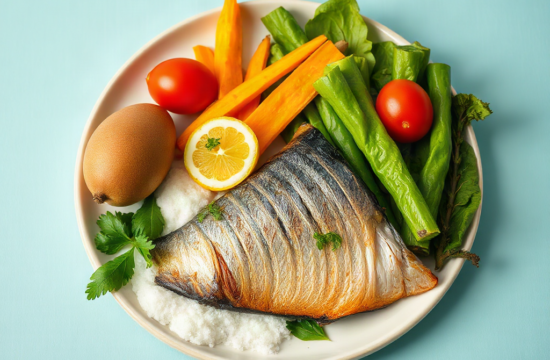

By implementing these methods, individuals can maintain a balanced diet while effectively adhering to their nutritional goals. However, common mistakes like skipping meals or relying on fad diets can hinder progress and lead to unhealthy habits.
Recognizing triggers and developing healthy coping strategies, such as journaling or engaging in physical activity, can mitigate these challenges. Additionally, building a support system with friends or family can provide motivation and accountability during the weight loss journey.
Meal Planning for Success
Effective meal planning is a cornerstone of successful dieting. By organizing meals ahead of time, individuals can make healthier choices and avoid impulsive eating. This process involves selecting recipes, preparing ingredients, and setting aside time for cooking. A well-structured meal plan can help reduce food waste and ensure that nutritious options are readily available.
One practical approach to meal planning is to create a weekly menu that includes a variety of foods. Incorporating different colors and textures can make meals more appealing and satisfying. Additionally, preparing larger batches of food can save time and energy during busy weekdays, making it easier to stick to dietary goals.
Portion Control Techniques
Portion control is vital for weight management, as it helps regulate calorie intake. Utilizing smaller plates and bowls can create the illusion of larger portions, encouraging individuals to eat less. Furthermore, measuring serving sizes can provide a clearer understanding of appropriate quantities.
Another effective technique is to practice the “plate method,” which involves filling half of the plate with vegetables, a quarter with lean protein, and a quarter with whole grains. This visual guide promotes balanced meals while keeping calorie counts in check.
Mindful Eating Practices
Mindful eating involves being present during meals and paying attention to hunger cues and food flavors. This practice can enhance the eating experience and help individuals recognize when they are satisfied, reducing the likelihood of overeating. Techniques such as eating slowly, savoring each bite, and eliminating distractions can support mindful eating habits.
Additionally, keeping a food journal can help track eating patterns and identify areas for improvement. By reflecting on food choices and emotional responses, individuals can develop a deeper understanding of their relationship with food and make informed adjustments to their eating habits.
Frequently Asked Questions
What are the best dieting tips for weight loss?
The best dieting tips for weight loss include meal planning, portion control, and mindful eating practices that help manage calorie intake and promote healthier choices.
How can meal planning help with dieting?
Meal planning helps with dieting by allowing individuals to prepare healthy meals in advance, reducing the likelihood of impulsive eating and ensuring nutritious options are readily available.
What role does portion control play in weight loss?
Portion control plays a crucial role in weight loss by helping individuals regulate calorie intake, ensuring they consume appropriate quantities of food for their dietary goals.
What is mindful eating?
Mindful eating is the practice of being present during meals, paying attention to hunger cues and food flavors, which can enhance the eating experience and reduce overeating.
How can I avoid emotional eating?
Avoiding emotional eating can be achieved by recognizing triggers, developing healthy coping strategies, and building a support system to provide motivation and accountability.
Conclusion
In summary, dieting tips that simplify weight loss focus on practical strategies like meal planning, portion control, and mindful eating. By implementing these techniques, individuals can create a sustainable approach to weight management. Prioritizing whole foods and staying mindful of eating habits is essential for long-term success. To enhance your dieting journey, consider seeking support from friends, family, or professionals who can guide you along the way.
Support Your Weight Loss Goals
HUGE DISCOUNT ON THE BEST CERTIFIED ORGANIC NUTRIENT DENSE SUPPLEMENT!
Related Content
- The Role of Anthocyanins in a Natural Weight Loss Diet
- Unraveling the Mystery: How Your Food Choices Might Be Triggering Cravings
- 10 Powerful Tips for Batch Cooking for Dieting in 2025: The Ultimate Guide
- How to Incorporate Exercise into a Busy Schedule: Practical Methods for Daily Activity
- Losing Weight Doesn’t Have To Be Hard! Try These Simple Tips.