Physical Changes: Weight Loss and Water Retention
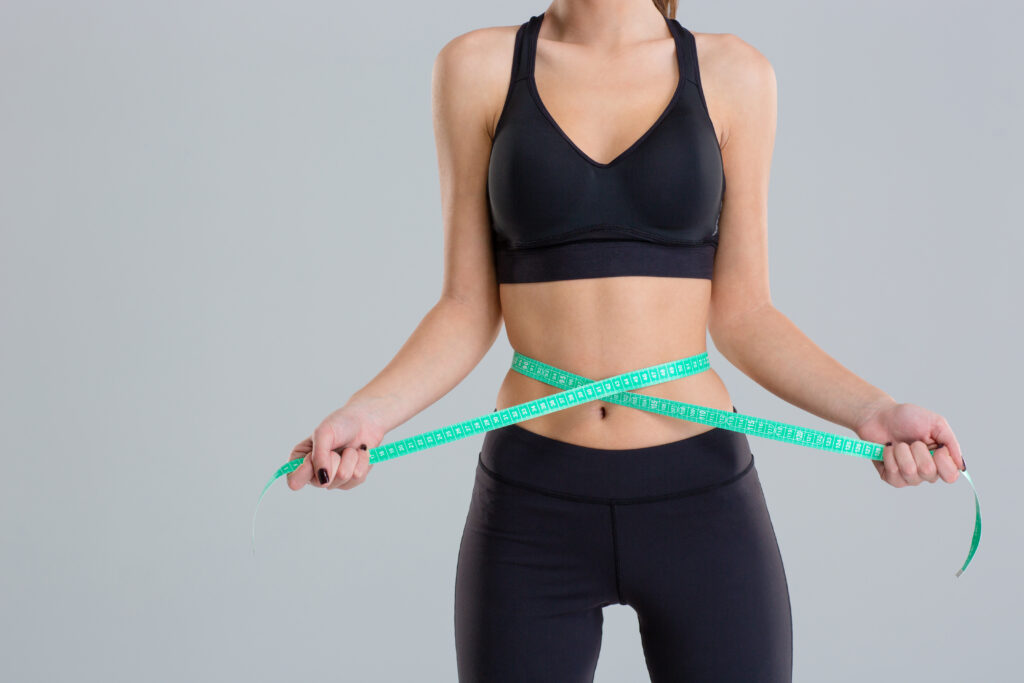
In the first week of dieting, many individuals see an immediate drop in weight, often attributed to water loss rather than fat loss. This phenomenon occurs because reducing carbohydrate intake leads to decreased glycogen stores, which bind water in the body. The initial weight loss can be encouraging, but it’s essential to understand that this fluctuation doesn’t necessarily reflect fat loss.
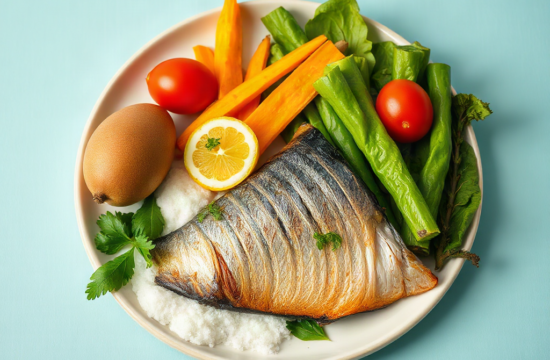
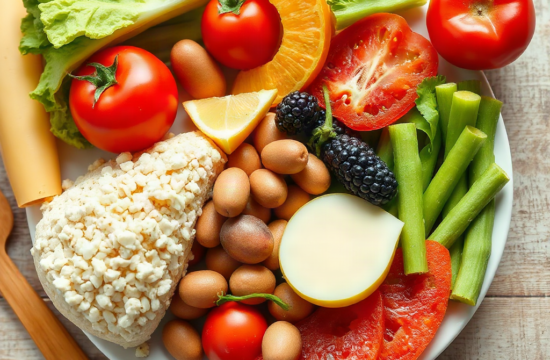
To balance this, aim to maintain a steady intake of healthy foods that promote fat loss, such as lean proteins, whole grains, and plenty of vegetables. This approach not only aids in effective weight loss but also ensures that your body receives the necessary nutrients for optimal functioning during this transition.
Mental Adjustments: Mood Swings and Cravings
As your body begins to adjust to a new diet, mental changes may also occur, including mood swings and heightened cravings. These feelings can arise from hormonal fluctuations caused by dietary changes, particularly if your previous diet was high in sugar and processed foods.
To combat this, practicing mindfulness and finding healthy distractions can help manage cravings and emotional responses. Engaging in physical activities or hobbies can also shift focus away from food and improve overall mood.
Practical Strategies for Success
To navigate the first week of dieting successfully, implement several practical strategies. Start by keeping a food diary to track what you eat and how it makes you feel. This practice aids in identifying patterns and triggers related to cravings or emotional eating.
Additionally, meal prepping can ensure that you have healthy options readily available, reducing the temptation to revert to old eating habits. Incorporating regular physical activity, even in small amounts, can also help boost mood and support the weight loss process.
Common Mistakes to Avoid
One common mistake during the first week of dieting is setting unrealistic expectations regarding weight loss. Many individuals expect to see significant changes immediately, which can lead to frustration if results don’t meet these expectations.
Another pitfall is neglecting the importance of hydration. Failing to drink enough water can exacerbate feelings of hunger and hinder your dieting efforts. Aim for at least eight glasses of water daily to stay hydrated and support your body’s functions.
For more insights into healthy dieting practices, consider exploring resources from reputable health organizations and nutrition experts.
Frequently Asked Questions
What can I expect in the first week of dieting?
Expect initial weight loss primarily due to water loss, changes in hunger levels, and potential mood swings as your body adjusts.
How can I manage cravings during the first week?
Stay hydrated, eat balanced meals, and engage in physical activities to distract yourself from cravings.
Is it normal to feel tired when starting a diet?
Yes, fatigue can occur as your body adjusts to a new caloric intake and food choices, but it should improve with time.
How much weight can I expect to lose in the first week?
Most individuals may lose 1-5 pounds in the first week, largely due to water weight rather than fat loss.
What are common mistakes to avoid during the first week of dieting?
Avoid setting unrealistic weight loss expectations and neglecting hydration, as both can hinder your progress.
Conclusion
The first week of dieting is a critical period for establishing new habits and understanding how your body responds to dietary changes. By prioritizing hydration, maintaining balanced meals, and being mindful of cravings, you can navigate this initial phase successfully. Remember to set realistic expectations and focus on gradual progress rather than immediate results. This approach will help you stay motivated and committed to your long-term dieting goals.
Support Your Weight Loss Goals
HUGE DISCOUNT ON THE BEST CERTIFIED ORGANIC NUTRIENT DENSE SUPPLEMENT!
Related Content
- How to Lose Weight Without Strict Diet Rules: Practical Steps and Everyday Changes
- Great Tips For Losing Weight Quickly And Easily
- What Keto Experts Want You to Know Before Starting
- Benefits of Keeping a Food Journal: Enhancing Awareness, Accountability, and Nutritional Choices
- Lose Weight The Easy Way With This Advice