
Many individuals mistakenly believe that weight loss requires extreme dieting or constant calorie counting, which can lead to anxiety and unhealthy relationships with food. Instead, understanding the importance of nourishing your body while allowing for occasional indulgences can create a more balanced approach to eating. This mindset not only reduces stress but also fosters long-term success in weight management.
Understanding Mindful Eating
Mindful eating is a practice that encourages you to focus on the experience of eating, paying attention to the flavors, textures, and your body’s hunger cues. This approach helps you build a healthier relationship with food, making it easier to enjoy meals without feeling guilty or stressed.
Practicing mindful eating involves slowing down during meals, avoiding distractions, and tuning into your body’s signals of hunger and fullness. By becoming more aware of your eating habits, you can make better choices that align with your health goals while enjoying the food you love.
Choosing Whole Foods
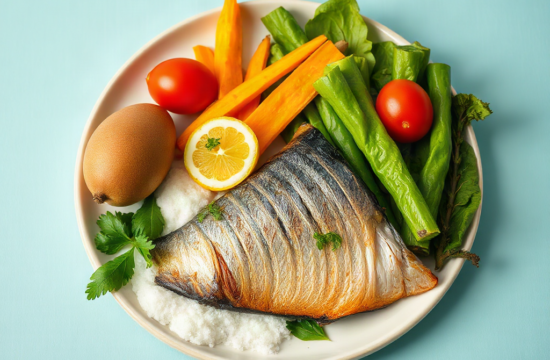
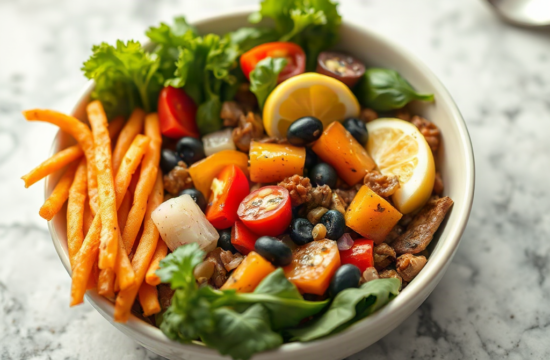
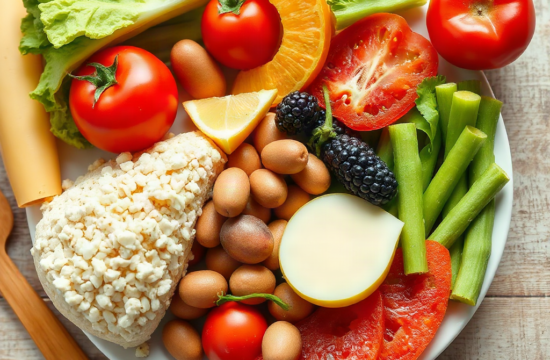
Whole foods are minimally processed items that retain their natural nutrients, such as fruits, vegetables, whole grains, and lean proteins. Incorporating more whole foods into your diet not only supports weight loss but also enhances overall health.
When focusing on whole foods, aim to fill your plate with colorful fruits and vegetables, which provide essential vitamins and minerals. Additionally, choose whole grains over refined grains to increase fiber intake, aiding digestion and helping you feel fuller for longer. This shift in food choices can significantly reduce the stress associated with dieting.
Portion Control Strategies
Understanding portion sizes is crucial for weight management. Eating larger portions can lead to consuming more calories than necessary, while smaller portions can help you maintain a calorie deficit for weight loss.
To control portion sizes, consider using smaller plates or bowls to create the illusion of a fuller plate. Additionally, pay attention to serving sizes on food labels and use measuring tools when necessary. Over time, you will develop an intuitive sense of appropriate portion sizes, making it easier to enjoy your meals without overindulging.
Support Your Weight Loss Goals
Huge Discount on the Best Certified Organic Nutrient Dense Supplement!
Incorporating Physical Activity
Physical activity plays a significant role in weight loss and overall health. Engaging in regular exercise not only helps burn calories but also improves mood and reduces stress, which can positively impact your eating habits.
Find activities you enjoy, whether it’s dancing, walking, or cycling, to make exercise a regular part of your routine. Aim for at least 150 minutes of moderate-intensity activity per week. This commitment to movement can enhance your weight loss efforts while making the process more enjoyable.
Further Reading
Authoritative Sources
- MedlinePlus
medlineplus.govConsumer-friendly medical and health information from the U.S. National Library of Medicine.
- National Institutes of Health
nih.govResearch-based health information and links to authoritative medical resources.
- Centers for Disease Control and Prevention
cdc.govOfficial public health guidance, prevention resources, and topic-specific recommendations.
- Mayo Clinic
mayoclinic.orgTrusted clinical guidance, symptom explainers, and treatment overviews.
- World Health Organization
who.intGlobal health guidance, fact sheets, and evidence-based public health information.
Frequently Asked Questions
What is mindful eating?
Mindful eating involves paying full attention to the eating experience, noticing the taste, texture, and how food makes you feel, which helps create a healthier relationship with food.
How can I choose whole foods?
Focus on incorporating fruits, vegetables, whole grains, and lean proteins into your meals while minimizing processed foods to enhance nutrition and support weight loss.
What are effective portion control strategies?
Using smaller plates, measuring servings, and being mindful of hunger cues can help manage portion sizes and promote healthier eating habits.
How does physical activity affect weight loss?
Regular physical activity helps burn calories, improves mood, and reduces stress, all of which contribute to successful weight loss and overall well-being.
Can I lose weight without strict dieting?
Yes, by focusing on mindful eating, whole food choices, and portion control, you can lose weight sustainably without the stress of strict dieting.
Conclusion
In summary, losing weight without stressing about food is achievable through mindful eating, whole food selections, and portion control. By incorporating enjoyable physical activity into your routine, you can create a balanced lifestyle that supports sustainable weight loss. Focus on nourishing your body rather than restrictive dieting, and you’ll find that weight management can be a more enjoyable and less stressful process.
Support Your Weight Loss Goals
Huge Discount on the Best Certified Organic Nutrient Dense Supplement!
Related Content
- How to Lose Weight the Healthy Way: Effective Meal Plans and Lifestyle Changes
- 10 Effective Tips for Eating Out on a Diet in 2025: The Ultimate Guide
- 10 Effective Diet Tips for Home Cooks to Achieve Better Results in 2025
- Improve Your Figure Each Week With These Weight Loss Tips
- Tips for Building a Heart-Healthy Diet