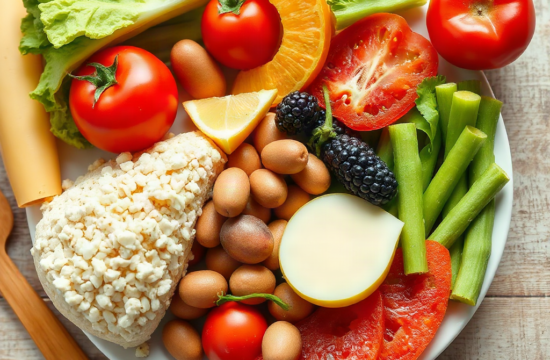
Building a sustainable diet is not just a trend; it’s a necessity for our health and the health of our planet. As climate change impacts our food systems, many are asking how to build a sustainable diet that not only nourishes the body but also respects the environment. The question of how to build a sustainable diet goes beyond simply choosing organic or local produce; it encompasses the entire food system, including how food is produced, transported, and consumed.
Understanding how to build a sustainable diet can seem daunting, but the truth is it can be straightforward and delicious. Adopting a sustainable diet means making mindful choices that prioritize whole foods, seasonal ingredients, and minimal processing. It’s about finding balance and enjoying diverse food options while contributing to a healthier planet and community. In this article, we’ll explore practical steps and insights that will empower you to create a lasting, sustainable dietary change.
Understanding Sustainable Diets
A sustainable diet is defined by its ability to provide nutrition while minimizing environmental impact. This involves understanding various aspects of food production and consumption. Here are some key points:
– Food Production: Sustainable diets often emphasize plant-based foods, which require fewer resources than animal-based products. Research indicates that reducing meat consumption can significantly lower carbon footprints.
– Seasonal Eating: Consuming foods that are in season not only enhances flavor but also reduces the carbon footprint associated with transporting out-of-season produce.
– Local Sourcing: Buying from local farmers supports the economy and decreases fossil fuel use for transportation.
By recognizing these principles, individuals can better navigate the complexities of how to build a sustainable diet that suits their lifestyle and values.
Components of a Sustainable Diet
To effectively learn how to build a sustainable diet, consider incorporating the following components:
1. Whole Foods: Prioritize unprocessed or minimally processed foods such as fruits, vegetables, whole grains, legumes, nuts, and seeds.
2. Plant-Based Focus: Aim for a diet rich in plant-based foods, which can provide necessary nutrients while being more environmentally friendly.
3. Mindful Meat Consumption: If you include meat, choose sustainably sourced options and practice moderation.
4. Diverse Choices: Incorporate a variety of foods to ensure a balanced nutrient intake while keeping meals interesting.
By focusing on these components, you can create a sustainable diet that is both nutritious and enjoyable.
How to Build a Sustainable Diet
Building a sustainable diet involves several actionable steps that can easily be integrated into your daily routine. Here’s how to build a sustainable diet that works for you:
Assess Your Current Diet
Start by evaluating what you currently eat. This will help identify areas for improvement. Consider keeping a food diary for a week to track your meals and snacks. Look for patterns, such as reliance on processed foods or high meat consumption.
Set Realistic Goals
Instead of overhauling your entire diet overnight, set achievable goals. For example, aim to incorporate one plant-based meal per week. Gradually increase this as you become more comfortable.
Plan Your Meals
Meal planning is crucial for maintaining a sustainable diet. Create a weekly menu that incorporates seasonal and local foods. This will help reduce food waste and ensure you’re making mindful choices.
Educate Yourself
Knowledge is power. Learn about sustainable practices, local farmers’ markets, and seasonal produce. The more informed you are, the easier it will be to make better food choices.
By following these steps, you can effectively master How to Build a Sustainable Diet that fits your lifestyle.
Practical Steps for a Sustainable Diet
Adopting sustainable practices in your daily meals can be simple and rewarding. Below are practical steps to guide you:
1. Shop Smart: Look for local farms or farmers’ markets. Buying directly from producers often means fresher options with lower environmental impact.
2. Grow Your Own: If possible, consider starting a small garden. Growing herbs, vegetables, or fruits can enhance your meals and reduce reliance on transported goods.
3. Reduce Food Waste: Plan your meals carefully and use leftovers creatively. For instance, vegetable scraps can be used to make broth.
4. Choose Eco-Friendly Packaging: Opt for products with minimal or recyclable packaging to further reduce your impact.
By implementing these practical steps, you’ll not only enhance your personal health but also contribute positively to the environment.
Benefits of a Sustainable Diet
Adopting a sustainable diet offers numerous benefits that extend beyond personal health:
– Improved Health: A diet rich in fruits, vegetables, and whole grains can lead to better health outcomes, including reduced risk of chronic diseases.
– Environmental Impact: By reducing meat consumption and choosing local produce, you contribute to lower greenhouse gas emissions.
– Economic Support: Supporting local farmers strengthens local economies and promotes community resilience.
– Culinary Diversity: Embracing seasonal and local ingredients can introduce you to new flavors and culinary traditions.
The benefits of learning How to Build a Sustainable Diet are profound, impacting not just individual well-being but the community and environment as a whole.
References and Resources
These resources provide valuable information about how to build a sustainable diet. Check them out for additional insights:
Frequently Asked Questions
What does it mean to have a sustainable diet?
A sustainable diet focuses on foods that are healthy for both individuals and the environment. It emphasizes plant-based foods, local sourcing, and minimized waste.
How can I learn how to build a sustainable diet?
Start by educating yourself on local foods, seasonal produce, and sustainable practices. Meal planning and gradual changes to your eating habits can also help.
What are some benefits of a sustainable diet?
Benefits include improved health, reduced environmental impact, support for local economies, and greater culinary diversity.
Can a sustainable diet be affordable?
Yes, a sustainable diet can be affordable. Buying in-season produce, shopping at local markets, and reducing meat consumption can lower grocery bills.
How can I encourage others to adopt a sustainable diet?
Share your knowledge about sustainable practices, cook for friends and family using seasonal ingredients, and lead by example to inspire others.
Conclusion
To wrap up, understanding how to build a sustainable diet is essential for personal health and environmental stewardship. By focusing on whole foods, local sourcing, and reducing waste, you can create a diet that nourishes your body while contributing to a healthier planet. Remember, the journey to a sustainable diet doesn’t have to be overwhelming. Start small, set achievable goals, and gradually incorporate changes into your meal planning.
Taking these steps will not only empower your plate but also foster a deeper connection with the food you eat and the world around you. As you explore How to Build a Sustainable Diet, consider the impact of your choices and the positive changes you can make for yourself and future generations.

Support Your Weight Loss Goals
Huge Discount on the Best Certified Organic Nutrient Dense Supplement!
Related Content
- Why Diets Fail (and How You Can Succeed): The Science Behind Weight Loss
- Debunking the Top 5 Diets of 2021: Which One is Right for You
- 10 Effective smart cheat day strategies to maximize results in 2025
- Throw Away Those Pounds While Having Fun!
- How to Identify Successful Weight Loss Habits: Key Behaviors and Mindsets