- 1. Use Smaller Plates and Bowls
- 2. Measure Your Food Portions
- 3. Practice Mindful Eating
- 4. Control Portion Sizes When Dining Out
- 5. Pre-Portion Snacks for Better Control
- 6. Fill Half Your Plate with Vegetables
- 7. Read Nutrition Labels Carefully
- 8. Don’t Eat Straight from the Package
- 9. Use Visual Cues to Gauge Portions
- 10. Keep Portion Size Tips Consistent
Managing portion size is a fundamental aspect of healthy eating, especially in 2025 when convenience foods are more prevalent than ever. In this comprehensive guide, you’ll discover portion size tips that are practical, easy to implement, and backed by current research. These strategies will help you enjoy your meals without overeating, supporting your weight management goals and overall health. Whether you’re at home or dining out, learning how to control your portion sizes can make a big difference. Let’s explore ten effective tips that will help you eat smarter in 2025!
1. Use Smaller Plates and Bowls
How Plate Size Affects Portion Control
Interestingly, research from the Cornell Food and Brand Lab shows that using smaller plates can trick your brain into feeling satisfied with less food. This visual cue helps reduce the tendency to serve or eat larger portions, making it a simple yet powerful portion size tip. In 2025, many dietitians recommend downsizing your dinnerware as an easy hack to manage intake effectively.
When you swap your large plates for smaller ones, you naturally serve smaller portions without feeling deprived. This technique can be particularly useful during busy weekdays or when youâre trying to cut calories without counting every bite.
Practical Tips for Implementation
Start by replacing your everyday dinnerware with smaller sizesâsuch as switching from a 12-inch plate to an 8 or 9-inch plate. You can also use smaller bowls for cereal or snacks. Over time, your eyes and appetite become accustomed to these portion sizes, supporting sustainable habits.
Moreover, be mindful of other dinnerware accessories like utensilsâsmaller spoons and forks can further reinforce portion control efforts. Remember, it’s not just about what you eat but also how you serve it.
2. Measure Your Food Portions
Why Accurate Measurement Matters
One of the most effective portion size tips is to actually measure your food. Using measuring cups, spoons, or a kitchen scale ensures that you are consuming the right amount, helping to prevent overeating. Many people underestimate portion sizes, especially with high-calorie foods like nuts, oils, and snacks.
Research indicates that individuals who measure their portions tend to consume fewer calories overall. In 2025, digital kitchen scales and app-based tracking tools have become even more accessible, making this practice easier than ever.
How to Incorporate Measuring Into Daily Life
Set aside a few minutes to portion out your food in advance, especially for meal prep. For instance, measure out single servings of cereal, yogurt, or cooked grains. Keep these pre-portioned containers in your fridge or pantry as a visual reminder and control measure.
When dining out or in social settings, try to estimate portion sizes with your hand or common objectsâthis natural method can help you stay on track. Regularly measuring your food creates awareness and promotes healthier habits in the long run.
3. Practice Mindful Eating
The Role of Mindfulness in Portion Control
Mindful eating is more than just a trendy conceptâit’s a scientifically backed method to improve your relationship with food. Paying attention to your hunger cues and savoring each bite helps you naturally regulate how much you eat, aligning perfectly with portion size tips.
In 2025, studies have shown that mindful eaters tend to consume less food and feel more satisfied after meals. It encourages slowing down, which allows your brain to register fullness more effectively, reducing the likelihood of overeating.
Tips to Cultivate Mindful Eating Habits
Start by eliminating distractions like TV or smartphones during meals. Focus on the taste, texture, and aroma of your food. Take small bites and chew thoroughly, giving your body time to send signals of satiety.
Set an intention before eatingâwhether it’s to nourish your body or savor your foodâso that each meal becomes a conscious choice. Over time, this practice can dramatically improve your control over portion sizes.
4. Control Portion Sizes When Dining Out
Strategies for Restaurant and Takeout Meals
Eating out can often lead to larger-than-necessary portion sizes, especially with generous restaurant servings. To keep your intake in check, consider splitting a main dish with a friend, or immediately packing half of your meal into a doggy bag. This directly follows the portion size tips approach of managing intake at external venues.
In 2025, many restaurants now offer smaller portion options or half-size dishes. Don’t hesitate to ask your server about these optionsâthey are there to help you eat smarter and maintain your health goals.
Practical Tips for In-the-Moment Control
Start by drinking water before and during your meal to help you feel full. Use smaller plates if available or ask for your meal to be served on a smaller dish. Analyze your hunger signals: eat slowly and stop when you feel satisfied, not stuffed.
Remember, you are in controlâyour mindful choices at restaurants can significantly impact your overall health. Incorporate these portion size tips whenever dining out.
5. Pre-Portion Snacks for Better Control
The Power of Snack Storage
Snacks can be tricky because theyâre often available in bulk, encouraging overconsumption. Pre-portionting snacks like nuts, chips, or dried fruit into small containers or snack bags helps you stick to recommended serving sizes. This is a key portion size tips strategy for staying on track throughout the day.
In 2025, using clear, small containers has become a popular way to visually reinforce portion sizes. This method helps curb mindless eating and reduces the risk of overeating during busy days or when you’re fatigued.
Tips for Successful Pre-Portioning
Choose your snack portion sizes based on dietary guidelinesâtypically, one ounce of nuts or chips per serving. Keep these portable containers accessible in your bag, pantry, or fridge.
Pair pre-portioned snacks with a glass of water or a piece of fruit. This enhances satiety and reduces the temptation to grab multiple servings straight from the package. Consistent pre-portioned snacks are a straightforward way to apply portion size tips daily.
Good HealthY DIETING Solution is Easier Than Most People Think!
Take a Look for Yourself!
6. Fill Half Your Plate with Vegetables
Vegetables as a Volume-Based Portion Control Strategy
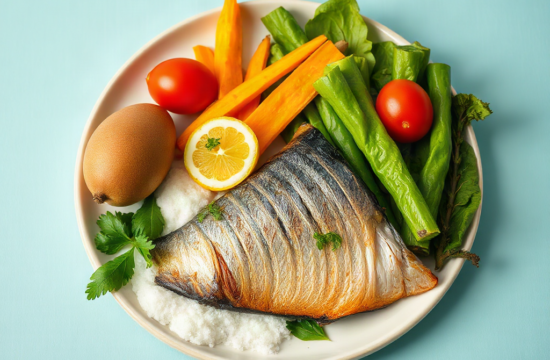
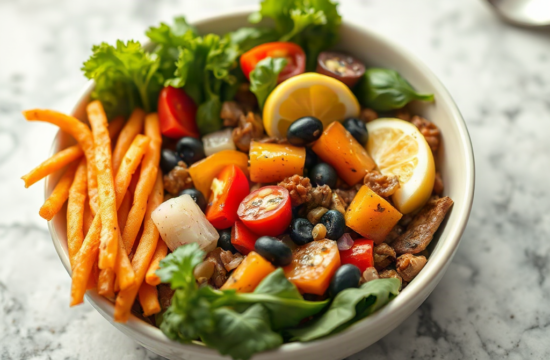
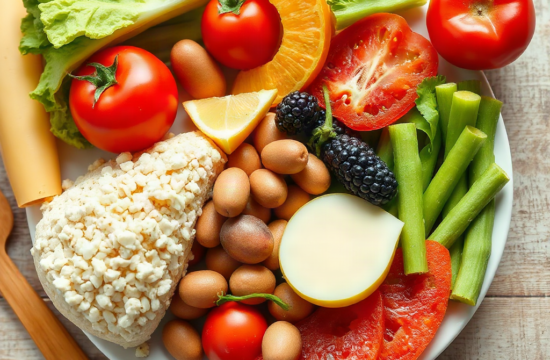
One of the easiest portion size tips to adopt is to load your plate with vegetables. Filling half your plate with colorful vegetables adds bulk and nutrients without many calories. This trick not only supports weight loss but also broadens your nutrient intake for the day.
In 2025, the emphasis on plant-based eating has increased, making this tip more relevant than ever. Vegetables are high in fiber and water, which promote fullness and reduce calorie density.
Practical Ways to Incorporate More Veggies
Start by making vegetables the first thing you serve. Use salads, roasted vegetables, or stir-fries to increase your intake. Try to experiment with different types and colors to keep meals interesting and satisfying.
This approach naturally moderates the other portion sizes on your plate, aligning with the overall idea of portion size tips that help you eat smarter and healthier.
7. Read Nutrition Labels Carefully
Deciphering Portion Information on Packaging
Nutrition labels are a valuable resource for understanding actual serving sizes. In 2025, more brands are providing clear, standardized information to help consumers practice effective portion size tips. Learning to interpret these labels can prevent accidental overeating.
Pay attention to the serving size listed. Sometimes, what appears to be a small snack contains multiple servingsâleading to higher calorie and sugar intake than anticipated.
Tips for Using Labels to Your Advantage
Compare the serving size with the amount you typically eat. Use the nutrition info accordingly to plan your meals. For packaged snacks or prepared foods, measure actual portions using your kitchen tools and then check the label for calorie and nutrient counts.
This habit fosters greater awareness and helps you stay aligned with your health goals by applying precise portion size tips.
8. Don’t Eat Straight from the Package
The Importance of Serving Mindfully
One common mistake in portion control is eating directly from large packages or containers. This often leads to mindless overeating. Instead, serve yourself an initial portion in a bowl or plate and put the package away. This is a simple portion size tips strategy that encourages mindful eating.
In 2025, awareness around this habit has grown, and many health experts recommend committing to this small change. It helps you control how much you’re eating and prevents accidental consumption of multiple servings.
Practical Advice for Implementation
Before opening a snack bag or large container, decide on a reasonable serving size. Use measuring cups or your hands to estimate. Then, close the package and keep it out of sight. This visual barrier can help you adhere to your planned portions.
This simple yet effective tip can make a measurable difference in your daily intake and overall healthy eating habits.
9. Use Visual Cues to Gauge Portions
Hands and Common Objects as Portion Guides
In 2025, using your hand as a portion guide remains a popular portion size tips. For example, a serving of meat is about the size of your palm, a piece of fruit the size of your fist, and a tablespoon is roughly the size of your thumb tip. This method provides handy visual cues when measuring is not possible.
These visual benchmarks help you maintain appropriate portions during everyday situations, like when you’re at a social event or traveling.
Practicing and Applying Visual Cues
Use your hand as a quick referenceâno measuring tools needed. For instance, aim for protein portions roughly the size of your palm, especially when cooking or serving meals.
Combine these cues with other portion size tips to create a flexible and effective approach for smarter eating habits.
10. Keep Portion Size Tips Consistent
Building Long-Term Healthy Habits
The final portion size tips focus on consistency. Making small, manageable changes and sticking to them creates sustainable habits. Whether it’s always using smaller plates, measuring your food, or pre-portioning snacks, consistency is key in 2025.
Set routines for meal prep and practice mindfulness regularly. Over time, these habits become natural, reducing the mental load of managing your portions each day.
Strategies for Maintaining Consistency
Track your progress using a journal or app to stay accountable. Prepare your meals in advance to ensure proper portions and avoid last-minute overeating. Share your goals with friends or family for extra support.
Remember, effective portion size tips are not just for a dayâtheyâre about creating a sustainable lifestyle of smarter, healthier eating.
Conclusion
Implementing these 10 effective portion size tips in 2025 can drastically improve your eating habits and overall health. By being mindful of serving sizes, measuring accurately, and creating consistent routines, you set yourself up for success. These strategies are designed to help you enjoy your food while maintaining control over your intake, supporting your wellness goals long-term. Remember, eating smarter isnât about restrictionâit’s about making informed choices every day. Start small, stay consistent, and watch how these portion size tips transform your relationship with food!
FAQs about Portion Size Tips
- What are the best portion size tips for weight loss in 2025? Focus on using smaller plates, pre-portioning snacks, and practicing mindful eating, as explained in this guide.
- How can I control portion sizes when eating out? Split dishes, ask for half portions, and use smaller utensils or plates whenever possible.
- Why is measuring food important in portion control? It helps you accurately gauge servings, preventing accidental overeating and supporting calorie tracking.
- How do visual cues help in portion size management? Hand measurements and common objects provide quick, effective references for proper serving sizes, especially when measuring tools arenât available.
Good HealthY DIETING Solution is Easier Than Most People Think!
Take a Look for Yourself!
Related Content
- Is Intermittent Fasting Worth the Hype? Here’s What You Need to Know
- Getting Real About Weight Loss: Why Slow and Steady Wins the Race (and How to Make It Happen
- The Ultimate 7 Tips on How to Do Keto Without Cravings in 2025
- The Benefits of a Natural Diet for Lymphatic Health
- Debunking the Top 5 Diet Myths for Good