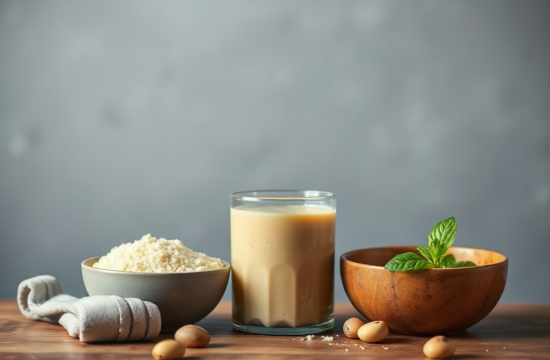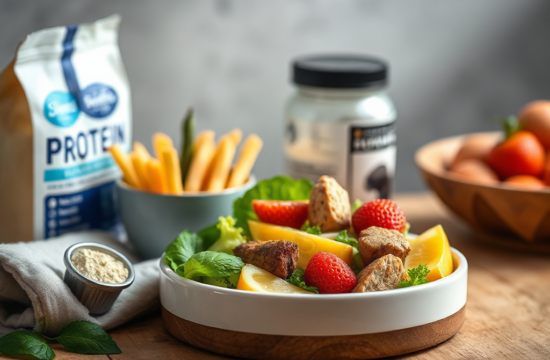
Protein shakes can be useful when trying to lose weight if they provide controlled calories, enough protein, and a convenient substitute for a less balanced snack or meal. Their main advantages are improved fullness, easier protein intake, and portion consistency, while their main limitation is that drinking extra calories alongside regular meals can work against a calorie deficit. Choose a shake with a reasonable calorie count and useful protein, then pair it with fiber-rich produce when it replaces a meal. Whole foods remain valuable because beans, eggs, yogurt, fish, poultry, and tofu usually provide more texture and micronutrients.
When a Protein Shake Supports Weight Loss
A protein shake is most useful for weight management when it replaces a higher-calorie choice or solves a practical eating problem. For example, someone who regularly skips breakfast and buys a sweet pastry and a large coffee may find a measured shake, plain yogurt, fruit, and water easier to manage. The benefit comes from the overall change in calorie intake and meal structure, not from a special fat-burning effect.
Protein may help a person feel satisfied because it contributes to the signals that influence appetite, while a liquid meal can make portion control simpler. The effect varies by recipe, total diet, sleep, activity, and individual appetite. A shake that contains protein powder, milk, nut butter, oats, and fruit can be nutritious, but it may contain as many calories as the meal it was intended to replace. A low-calorie shake may be easier to fit into a diet but may leave some people hungry soon afterward.
Consider the setting before deciding. A shake can be convenient after exercise, during a commute, or when cooking is unavailable. It is less compelling when a person already has access to a balanced meal and enjoys eating it. A bowl of Greek yogurt with berries, eggs with whole-grain toast, or tofu with vegetables may provide similar protein along with chewing, fiber, and a broader range of nutrients. The practical question is whether the shake improves the day’s eating pattern.
Use the shake as a planned food rather than an automatic add-on. Track what it replaces for several days and watch hunger, energy, and later snacking. If the shake is followed by an unplanned second breakfast, it is not solving the original problem. Readers comparing convenience options may also benefit from this related resource: Are protein shakes useful when trying to lose weight.
Calories, Protein, and Fullness
The calorie balance of the complete day matters more than the presence of a shake. Protein can support fullness and help preserve lean tissue during weight loss, but a shake cannot compensate for consistently eating more energy than the body uses. A useful portion begins with the protein amount and then accounts for the liquid, fruit, grains, sweeteners, and fats added to the blender.
Label reading matters because products differ widely. Compare serving size, calories, protein, added sugar, saturated fat, and fiber where listed. A powder that appears low in calories may become much more energy-dense when mixed with whole milk, two tablespoons of nut butter, oats, and a large banana. None of those foods is inherently unsuitable, but the combination may be better treated as a full meal than as a light drink.
Fullness also depends on texture and composition. A thick shake containing yogurt, berries, and chia seeds may feel more substantial than powder mixed with water. Even so, liquid calories are often easier to consume quickly than a plate of food, and speed may reduce the time available for fullness signals to develop. Someone who remains hungry after a shake might do better adding a piece of fruit, choosing a spoon-eaten yogurt bowl, or using a whole-food meal instead.
A practical comparison helps: a shake made with powder and water may suit a person who needs protein after training but has dinner soon; a shake with milk, oats, fruit, and yogurt may function as breakfast; a powder blended with juice and sweetened toppings may provide calories without enough staying power. The same product can fit one situation and fail in another. For broader context on food composition, the USDA FoodData Central database can help users compare ingredients and serving sizes.
Choosing Ingredients and Portions
A weight-conscious shake should have a clear job. If it replaces breakfast, include enough protein plus a source of fiber and, when appropriate, fruit or another carbohydrate. If it is only a bridge to the next meal, a smaller serving may be sufficient. Treating every shake as a complete meal encourages unnecessary calories, while making every shake extremely small may produce rebound hunger.
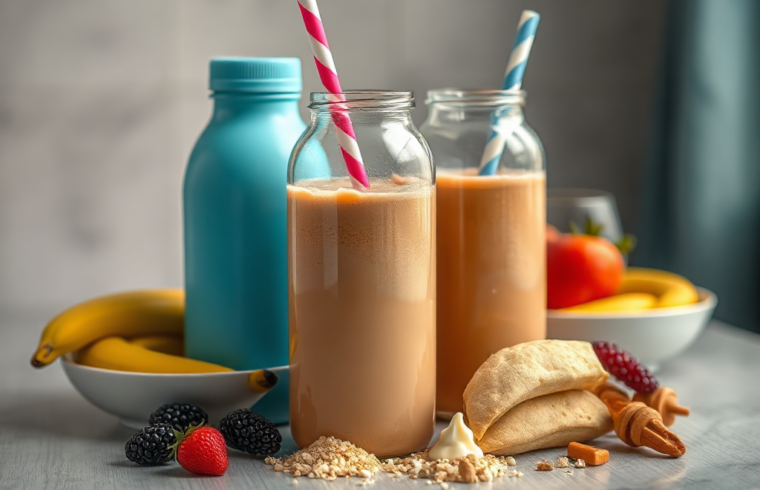
Start with a protein base such as unsweetened dairy milk, Greek yogurt, soy milk, tofu, or a protein powder that suits your dietary needs. Add produce for flavor and fiber, then adjust the portion of calorie-dense ingredients. Frozen berries, spinach, unsweetened cocoa, cinnamon, and ice can add taste without relying on large amounts of syrup or sugar. Peanut butter, seeds, oats, avocado, and coconut products can be useful foods, but measure them because small volume does not always mean few calories.
Different protein sources have different practical advantages. Whey and milk-based options are convenient for people who tolerate dairy. Soy-based products can provide a plant protein option with a texture many people find satisfying. Pea, rice, and blended plant powders may suit dietary restrictions, although flavor, thickness, and protein content vary. People with allergies, kidney disease, pregnancy-related nutrition concerns, or medically prescribed diets should ask a qualified clinician or registered dietitian before making supplements a regular part of their routine.
Use this compact checklist when comparing a recipe or product:
- Does the serving provide a meaningful amount of protein for the intended meal or snack?
- Are calories measured after all liquid and add-ins are included?
- Does the recipe offer fiber or a planned fruit or vegetable serving?
- Will the drink replace food, or will it be consumed in addition to a meal?
- Does the ingredient list fit allergies, digestive tolerance, budget, and personal preferences?
These checks are more useful than choosing a product based only on claims such as “lean,” “clean,” or “muscle-building.” A simple homemade shake can work well, but a ready-to-drink option may be the better operational choice on a long workday. Convenience has value when it prevents an impulsive meal, provided the serving is understood.
Using Shakes Without Undermining Your Diet
Timing is less important than consistency, but a predictable use can make a shake more valuable. Some people use one at breakfast, while others prefer it after exercise or during an afternoon period when vending-machine snacks are common. The best timing is the point at which the drink replaces a recurring, less satisfying choice rather than adding another eating occasion.
Build the rest of the day around foods that a shake does not provide as well. Vegetables, fruit, beans, whole grains, eggs, fish, poultry, tofu, nuts, and fermented dairy can contribute fiber, texture, vitamins, minerals, and culinary variety. A shake used once daily does not need to carry the entire nutritional burden of the diet. Replacing several meals with drinks may make eating monotonous and can reduce opportunities for chewing and balanced food choices.
A realistic example is an office worker who becomes hungry at 4 p.m. and often eats biscuits before dinner. A measured shake with unsweetened milk and fruit may reduce that pattern if dinner is still a few hours away. The same person may gain little by drinking the shake at 3 p.m. after eating a complete lunch, especially if dinner remains unchanged. A person who trains early may use a shake when solid food is unappealing, then eat a normal meal later.
Support Your Weight Loss Goals Huge Discount on the Best Certified Organic Nutrient Dense Supplement!
Monitor outcomes with more than the scale. Notice whether hunger between meals is manageable, whether evening eating becomes easier to control, and whether the plan is affordable enough to repeat. If weight trends do not move over time, first inspect serving sizes, liquid calories, snacks, and weekend portions rather than assuming the protein source has failed. Readers considering other structured eating options can compare them with Are protein shakes useful when trying to lose weight in terms of satiety, convenience, and total calories.
Common Mistakes and Safer Expectations
The most common mistake is treating protein as a permission slip for unlimited calories. A shake can contain protein and still be poorly matched to a weight-loss goal if it includes oversized portions of nut butter, sweetened milk, ice cream, or several servings of powder. Another mistake is assuming that a branded “meal replacement” automatically offers a complete meal. Labels deserve scrutiny, and marketing language does not establish that a product is appropriate for every person.
Replacing all solid meals with shakes can also create problems. Some people experience digestive discomfort from lactose, sugar alcohols, gums, or large doses of certain fibers. Others become bored, feel less satisfied, or compensate with evening eating. A gradual trial is more informative than an abrupt overhaul: use one shake in a defined situation, keep the recipe stable, and assess appetite and digestion over several days.
Protein needs are individual and depend on body size, age, activity, health status, and total food intake. More is not automatically better, and powders are supplements to a diet rather than treatments for obesity or a substitute for medical care. A clinician can provide individualized guidance when a person has kidney disease, significant gastrointestinal symptoms, an eating disorder history, or a condition requiring dietary supervision.
A sound approach is to prioritize ordinary meals first, then use a shake where it provides a specific advantage. Choose a portion that fits the daily calorie target, include fiber-rich foods elsewhere or in the recipe, and reassess based on hunger and adherence. If the drink makes the plan easier to follow without displacing nutritious foods, it may be a useful tool. If it increases grazing or feels unsatisfying, a whole-food snack or meal is likely the better choice. Ingredient and supplement questions can also be checked against consumer information from MedlinePlus or the NIH Office of Dietary Supplements.
Frequently Asked Questions
Can a protein shake replace breakfast?
It can replace breakfast when it supplies adequate protein and is paired with or contains nutritious foods such as fruit, yogurt, oats, or seeds. A very small drink may not provide enough fullness.
Do protein shakes burn belly fat?
No food or shake selectively removes belly fat. A shake may support overall weight loss only when it helps create a sustainable calorie deficit.
Is it better to drink a shake before or after exercise?
Either timing can work. Choose the time that helps you meet daily protein needs and prevents uncontrolled hunger, while remembering that total daily intake matters more than a narrow timing window.
Are homemade shakes better than ready-to-drink products?
Homemade versions offer more control over ingredients and portions, while ready-to-drink products may be more convenient. Compare the complete calorie, protein, sugar, and fiber information rather than assuming one type is always better.
Can protein shakes cause weight gain?
Yes, if they add substantial calories to the usual diet. Weight gain risk is especially easy to miss when liquid calories, large add-ins, or multiple servings are not counted.
Conclusion
A protein shake earns a place in a weight-loss plan when it makes a specific eating decision easier: replacing an impulsive snack, supplying a convenient post-workout option, or creating a measured breakfast. Its usefulness depends on the complete recipe, total daily calories, appetite response, and whether it displaces rather than adds to normal intake. Prioritize a clearly measured serving, a suitable protein source, and fiber-rich foods across the day. Keep whole-food meals in the routine for texture, variety, and broader nutrition. Try one consistent use for several days, then check hunger, digestion, evening snacking, cost, and progress. If the shake creates extra eating or fails to satisfy, switch to a balanced solid-food option instead.
Support Your Weight Loss Goals
HUGE DISCOUNT ON THE BEST CERTIFIED ORGANIC NUTRIENT DENSE SUPPLEMENT!
Related Content
- Why Dieting Is Not Always the Answer to Weight Loss: Understanding Psychological Barriers and Sustainable Approaches
- How to Lose Weight the Healthy Way: Essential Foods and Daily Habits for Lasting Results
- Mastering Real-Life Success: Essential Dieting Tips You Can Actually Stick To
- HTML Sitemap
- Breaking Through Diet Program Confusion
Further Reading
Authoritative Sources
- CDC Nutrition
cdc.govOfficial public-health nutrition guidance and data.
- USDA FoodData Central
fdc.nal.usda.govOfficial food composition and nutrient data.
- MedlinePlus Health Information
medlineplus.govConsumer health information from the U.S. National Library of Medicine.
- NIH Office of Dietary Supplements
ods.od.nih.govEvidence-based fact sheets about vitamins, minerals, supplements, and nutrition.