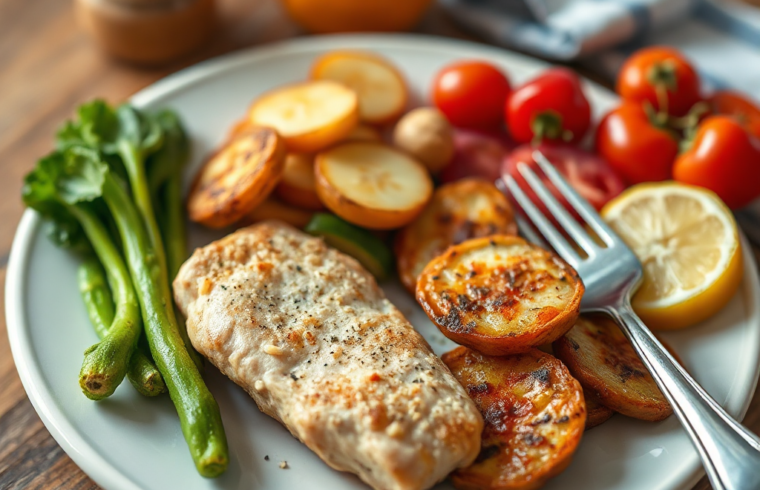
Cravings when you start dieting usually come from a sharper energy deficit, reduced access to familiar foods, changes in meal timing, stress, poor sleep, and learned associations rather than a single nutrient deficiency. Cutting calories too aggressively can increase hunger signals and make high-sugar or high-fat foods feel unusually compelling, while skipping meals leaves fewer opportunities for satisfying protein, fiber, and volume. Track when cravings appear, then check the preceding meal, sleep, hydration, stress, and restriction level. Planned portions of enjoyable foods, regular balanced meals, and a less severe calorie reduction often work better than trying to rely on willpower alone.
Why Cravings Increase at the Beginning of a Diet
A new diet changes more than the food on the plate. It may reduce total energy intake, remove familiar snacks, alter meal times, and create rules around foods that were previously available without thought. The brain notices those changes quickly. A craving can therefore reflect a genuine need for food, a response to restriction, or a cue-driven desire for a particular taste.
A large calorie reduction is a common pressure point. If breakfast is small, lunch is delayed, and dinner is expected to remain modest, appetite can build across the day. The result may feel like an urgent desire for cookies, chips, pizza, or another concentrated source of energy. That response does not prove the diet is failing; it does suggest that the gap between the plan and the body’s current routine may be too wide.
Restriction also affects attention. Telling yourself that a food is forbidden can make it more noticeable when it appears in a workplace kitchen, an online advertisement, or a family meal. An all-or-nothing rule may turn one planned treat into an episode of overeating because the person assumes the diet has already been ruined. A flexible portion is often easier to manage than total prohibition, especially for foods that are available every day.
Consider two approaches. One person cuts breakfast, avoids bread, and attempts to ignore hunger until dinner. Another keeps regular meals, includes a measured dessert, and trims calories modestly from several meals. The second plan may look less strict, but it creates fewer extreme hunger points and fewer situations in which a craving becomes difficult to interrupt.
Use the first week as information rather than a test of character. Note the time, intensity, food wanted, previous meal, sleep, and emotional state. If cravings cluster late at night, the useful adjustment may be a more substantial evening meal or planned snack, not a stronger promise to resist.
Physical Hunger, Habit, And Food Reward
Physical hunger tends to develop gradually and can be satisfied by several types of food. A craving is usually more specific: chocolate after dinner, salty snacks during a television program, or a pastry during a morning commute. The two can occur together, but separating them helps identify the most useful response.
Habitual cravings are tied to repeated context. If coffee has always been paired with a sweet snack, the smell of coffee or the end of a meeting can trigger an expectation even when the stomach is not empty. Food reward adds another layer. Foods combining sweetness, fat, salt, or a crisp texture may be especially appealing because they deliver a concentrated sensory experience. Wanting them is not evidence of weak discipline or proof that the body lacks a particular vitamin.
A practical test is to pause for a few minutes and ask whether a regular meal would be acceptable. A person who would eat yogurt with berries, a bean-and-rice bowl, or a turkey sandwich may be experiencing hunger. A person who rejects every alternative but wants one specific food may be responding more strongly to habit, reward, or restriction. The test is not diagnostic, and it should not be used to dismiss real hunger; it simply adds useful context.
Changing the cue can be more effective than arguing with the craving. Move snacks out of immediate reach, eat at a table rather than beside a screen, or replace the usual post-dinner routine with tea and a short walk before deciding on food. These actions create a pause between the trigger and the response. They do not make a desired food bad, and they leave room for a deliberate portion if that remains the preferred choice.
A common mistake is treating every craving as an emergency that must be suppressed. Suppression can increase preoccupation and may lead to compensatory overeating later. A better distinction is whether the person needs food, a sensory break, stress relief, or a predictable routine. The response should match the cause.
For related context, see What causes cravings when you start dieting alongside information about hunger patterns and balanced meal planning.
How Meal Composition, Sleep, And Stress Shape Cravings
Meal composition affects how long a meal feels satisfying. Protein-rich foods such as eggs, Greek yogurt, fish, tofu, beans, chicken, and lentils can make a meal more substantial. Fiber from vegetables, fruit, oats, potatoes, whole grains, beans, and seeds adds bulk and slows the pace at which a meal is eaten. Including some dietary fat, such as olive oil, nuts, avocado, or cheese, can improve flavor and staying power. These features do not eliminate cravings, but they may reduce the rapid return of hunger after a very small or highly refined meal.
For example, a breakfast consisting only of sweetened coffee may leave someone searching for a pastry by midmorning. A breakfast of oatmeal with milk, berries, and nuts or eggs with whole-grain toast and fruit provides more texture, protein, and volume. The better option is not automatically the one with the fewest calories. It is the one that fits the person’s energy target while remaining satisfying enough to prevent repeated unplanned eating.
Sleep loss and stress can make this harder. A short night may increase fatigue and reduce the willingness to prepare food, while stress can make quick, rewarding foods more attractive. Emotional eating is not always preceded by a dramatic emotion; boredom, decision fatigue, and the need for a break can be enough. Calling every stress-related craving “fake hunger” is unhelpful because emotional distress and physical hunger can coexist.
Timing matters as well. Someone who repeatedly craves food at 4 p.m. may have eaten lunch too early, chosen too little protein, or spent hours working without a planned break. A snack such as an apple with peanut butter, cottage cheese with fruit, or hummus with vegetables may be more useful than attempting to wait until dinner. People with medical conditions, pregnancy, a history of eating disorders, or medication-related appetite changes may need individualized guidance rather than a standard dieting plan.
Check the basics before adding supplements or removing more foods. USDA food data can help compare portions and nutrient content, but no database can predict personal satiety. Hydration matters when thirst is mistaken for hunger, although drinking water is not a substitute for a meal. The strongest first adjustment is usually a regular eating pattern with enough protein, fiber, and total food volume.
A Practical Plan For Managing New-Diet Cravings
Craving management works best as a small decision process rather than a demand for perfect restraint. Begin by recording three details: when the craving appears, what happened during the previous two hours, and what food would feel satisfying. After several days, patterns often become clearer. A craving that follows skipped lunch calls for a meal adjustment; one that appears only during streaming may call for a routine change.
Use this priority order when deciding what to change:
- Check meal adequacy: Ask whether the preceding meal contained a reliable protein source, a fiber-rich carbohydrate or produce, and enough food to fit the person’s needs.
- Check the calorie deficit: Persistent hunger, irritability, poor concentration, and repeated overeating can indicate that the plan is too aggressive.
- Check the environment: Keep tempting foods in less convenient locations, while making planned options easy to see and prepare.
- Plan rather than ban: Include a measured serving of a favorite food when total avoidance repeatedly backfires.
Portioning is different from eating directly from a large package. Put chips in a bowl, sit down, and decide whether the amount was satisfying before taking more. A small dessert after a balanced dinner may be easier to manage than trying to avoid sweets all day and then eating them rapidly at night. The tradeoff is that planned indulgences still contain calories, so their portion and frequency must fit the broader eating pattern.
Support Your Weight Loss Goals Huge Discount on the Best Certified Organic Nutrient Dense Supplement!
Another useful method is substitution based on the desired feature. If the craving is for something cold and sweet, fruit and yogurt may address part of the request. If the person wants crunch, roasted chickpeas, popcorn, or crisp vegetables may be more relevant than a low-calorie drink. Substitutions are optional, not moral upgrades; choosing the original food deliberately can be perfectly reasonable.
Judge the plan by its pattern over time. A workable approach produces manageable hunger, predictable meals, and occasional cravings that do not dominate the day. A failing approach creates constant food thoughts, repeated rule-breaking, escalating restriction, or cycles of overeating and compensation. Adjust the structure before blaming motivation.
More meal-planning context is available through What causes cravings when you start dieting, particularly when deciding whether a snack is prevention or simply an extra eating occasion.
When Cravings May Need A Closer Look
Most early-diet cravings are ordinary responses to changed routines, but persistent or extreme symptoms deserve attention. Cravings accompanied by dizziness, faintness, marked weakness, confusion, vomiting, or an inability to eat normally should not be managed solely with dieting tips. A clinician can consider medical conditions, medication effects, and whether the diet is providing adequate energy.
Patterns of binge eating, secretive eating, intense guilt, self-induced vomiting, laxative misuse, or repeated fasting and compensation are also warning signs. A stricter food rule is unlikely to solve those problems and may intensify them. Support from a qualified health professional, such as a physician or registered dietitian, is more appropriate, especially for anyone with an eating-disorder history.
Cravings can also be unusually disruptive when they occur with strong thirst, frequent urination, major unexplained changes in appetite, or rapid changes in body weight. Those symptoms do not identify a diagnosis, but they are reasons to seek medical assessment rather than assuming the issue is ordinary dieting discomfort.
Do not use supplements marketed as appetite suppressants as a first response. Ingredients, doses, interactions, and product quality vary, and a supplement does not correct skipped meals, inadequate sleep, or an unrealistic calorie target. NIH consumer information can help readers evaluate supplement claims, while medically significant appetite changes belong with a clinician.
The goal is not to eliminate every desire for a favorite food. A sound plan makes cravings understandable, manageable, and compatible with regular nourishment. If the strategy requires constant fear of food or repeated compensation, the strategy—not the person’s character—needs reassessment.
Frequently Asked Questions
Are cravings a sign that a diet is working?
No. Cravings may occur during a calorie deficit, but frequent intense cravings can indicate excessive restriction, poorly timed meals, stress, or inadequate sleep.
Why do I crave sugar when I begin dieting?
Reduced access to sweet foods, longer gaps between meals, fatigue, and the reward value of sugar can all contribute. A balanced meal and a planned portion may work better than total avoidance.
Can drinking water stop a craving?
Water may help if thirst contributes to the sensation, but it cannot replace food when the body needs energy. Check hydration and meal adequacy separately.
Should I remove trigger foods from my home?
Reducing convenience can help when a food is eaten automatically, but complete removal may increase preoccupation for some people. Use portions and planned eating if banning foods repeatedly backfires.
When should I ask a professional about cravings?
Seek help for cravings with faintness, severe weakness, major appetite changes, bingeing, purging, restrictive cycles, or persistent distress around eating.
Conclusion
Early-diet cravings usually become easier to interpret when you examine the structure around them. Start with meal timing, total restriction, protein and fiber intake, sleep, stress, and the situations that repeatedly cue eating. A modest calorie adjustment, a planned snack, or a measured serving of a favorite food may be more sustainable than adding stricter rules. Track whether the change produces steadier hunger and fewer episodes of unplanned eating over the following days. Persistent food preoccupation, compensatory behaviors, or physical symptoms deserve professional assessment rather than more self-control experiments. The next useful step is to record one typical craving in detail, identify its strongest trigger, and change that part of the routine first.
Support Your Weight Loss Goals
HUGE DISCOUNT ON THE BEST CERTIFIED ORGANIC NUTRIENT DENSE SUPPLEMENT!
Related Content
- The Best Advice For Losing Weight And Keeping It Off
- Natural Diet Tips for Reducing Cholesterol and Losing Weight
- Unveiling Secrets: The Ultimate Guide on How to Start a Diet That Actually Leads to Weight Loss
- Dieting Tips That Simplify Weight Loss: Practical Foods and Daily Habits for Sustainable Success
- Diet And Exercise Tips For Successful Weight Loss
Further Reading
Authoritative Sources
- USDA FoodData Central
fdc.nal.usda.govOfficial food composition and nutrient data.
- CDC Nutrition
cdc.govOfficial public-health nutrition guidance and data.
- MedlinePlus Health Information
medlineplus.govConsumer health information from the U.S. National Library of Medicine.
- NIH Office of Dietary Supplements
ods.od.nih.govEvidence-based fact sheets about vitamins, minerals, supplements, and nutrition.