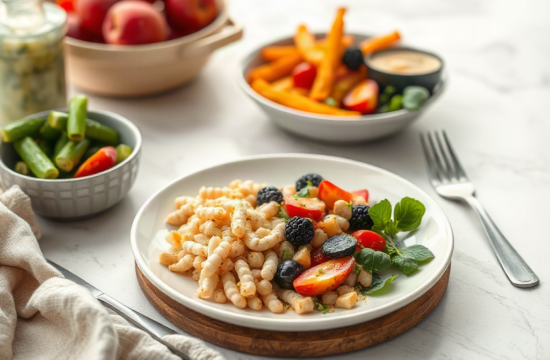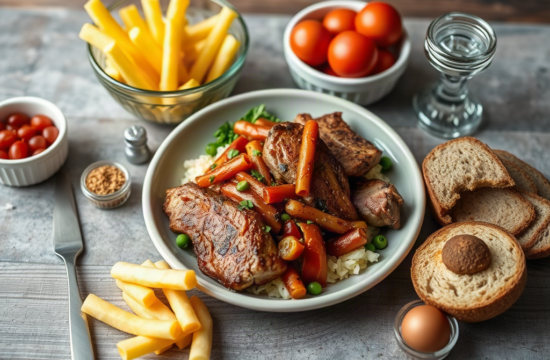
To avoid diet-related anxiety, individuals should adopt a balanced mindset towards eating. This can be achieved by setting realistic goals that focus on gradual changes rather than drastic measures. Practicing mindfulness during meals helps cultivate a positive relationship with food, allowing for enjoyment rather than guilt. Additionally, maintaining flexibility in dietary choices can alleviate pressure, enabling individuals to navigate social situations without stress. By implementing these strategies, one can significantly reduce anxiety associated with dieting and foster a healthier approach to nutrition.
Understanding Diet-Related Anxiety
Diet-related anxiety often stems from the pressure to conform to societal standards of body image and health. Many individuals experience stress when they feel their eating habits do not align with these expectations. This anxiety can lead to unhealthy eating behaviors, such as restrictive dieting or binge eating, which create a vicious cycle of guilt and stress. Recognizing the impact of external pressures on personal eating habits is crucial in developing effective strategies for avoiding this anxiety.
Understanding the psychological triggers of diet-related anxiety is essential. Common triggers include social situations, media portrayals of ideal bodies, and personal body image issues. By identifying these triggers, individuals can begin to implement strategies that mitigate their effects and promote a healthier mindset towards food.
Realistic Goal Setting
Setting realistic goals is a fundamental strategy for avoiding diet-related anxiety. Many people fall into the trap of setting overly ambitious goals, which can lead to feelings of failure and increased anxiety when those goals are not met. Instead, focusing on small, achievable milestones can foster a sense of accomplishment and reduce pressure.
For instance, rather than aiming to lose a specific number of pounds in a short time, individuals might focus on incorporating more fruits and vegetables into their meals each week. This approach not only promotes better nutrition but also encourages a more positive relationship with food. Celebrating small victories along the way can enhance motivation and reduce anxiety associated with dieting.
Mindfulness in Eating
Practicing mindfulness while eating can significantly reduce diet-related anxiety. Mindful eating encourages individuals to focus on the sensory experience of eating, such as the taste, texture, and aroma of food, rather than on external pressures or guilt. This practice can help individuals develop a more intuitive relationship with food.
To incorporate mindfulness into eating habits, individuals can try techniques such as eating slowly, savoring each bite, and eliminating distractions during meals. For example, turning off the television and putting away phones can create a more focused eating environment. This not only enhances the enjoyment of food but also helps individuals recognize their hunger and fullness cues, leading to more balanced eating practices.
Flexibility in Dieting
Maintaining flexibility in dietary choices is another key strategy for avoiding diet-related anxiety. Rigid dietary rules can create a sense of deprivation, which often leads to anxiety and overeating. Instead, adopting a flexible approach allows individuals to enjoy a variety of foods without guilt.
For example, rather than adhering to strict meal plans, individuals can learn to listen to their bodies and make food choices based on hunger and cravings. This might mean allowing for occasional indulgences without feeling guilty, which can ultimately lead to a healthier overall relationship with food. Flexibility can also involve adapting dietary choices to fit social situations, making it easier to enjoy meals with friends and family without anxiety.
Frequently Asked Questions
What causes diet-related anxiety?
Diet-related anxiety is often caused by societal pressures, unrealistic body image standards, and personal expectations about food and health, leading to stress around eating choices.
How can goal setting help reduce dieting anxiety?
Setting realistic and achievable goals can create a sense of accomplishment and reduce feelings of failure, which are common sources of anxiety in dieting.
What is mindful eating?
Mindful eating involves focusing on the sensory experience of food, which helps individuals develop a healthier relationship with eating and reduces anxiety related to food choices.
Why is flexibility important in dieting?
Flexibility in dieting allows individuals to enjoy a variety of foods without guilt, reducing feelings of deprivation and anxiety associated with strict dietary rules.
Can diet-related anxiety affect physical health?
Yes, diet-related anxiety can lead to unhealthy eating behaviors, which may result in negative physical health outcomes, including weight fluctuations and digestive issues.
Conclusion
Addressing diet-related anxiety requires a multifaceted approach that includes realistic goal setting, mindful eating, and flexibility in dietary choices. By understanding the underlying causes of this anxiety and implementing these strategies, individuals can foster a healthier relationship with food. Embracing these techniques not only helps reduce anxiety but also promotes long-term well-being and a balanced lifestyle.