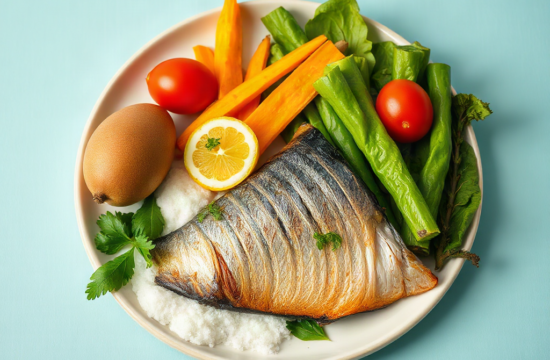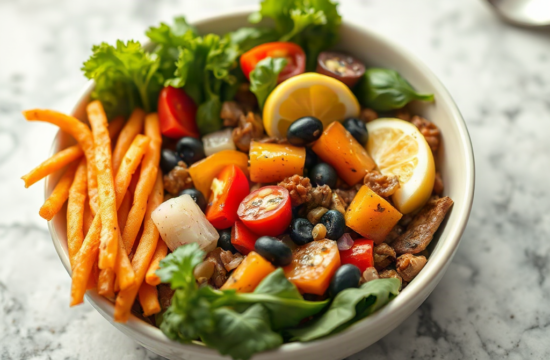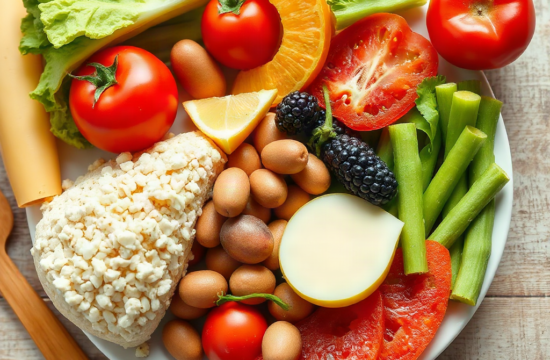
To manage portion sizes effectively, start by using smaller plates to visually trick your brain into thinking you're eating more. Measure your food with cups or a scale to understand serving sizes better. Additionally, be mindful while eating by avoiding distractions like screens, which can lead to overeating. All in all, learn to listen to your body's hunger cues to help determine when to stop eating.
Understanding Portion Sizes
Portion sizes refer to the amount of food served or consumed in a single meal. Understanding what constitutes a standard portion is crucial for effective diet management. Many people underestimate the actual size of portions, leading to unintentional overeating. For instance, a typical serving of pasta is about one cup, but many restaurant servings can be two to three times that amount.
Recognizing standard portion sizes helps establish a baseline for what you should be eating. This awareness is especially important when dining out or consuming pre-packaged foods, which often contain multiple servings in one package. By educating yourself on portion sizes, you can make better dietary choices and maintain a balanced intake of nutrients.
Practical Strategies for Portion Control
One effective method to manage portion sizes is to use smaller dishes. Research shows that using smaller plates can help reduce the amount of food you serve yourself and consequently eat. This visual cue can trick your brain into thinking you’re consuming more food than you actually are. Additionally, measuring your food with measuring cups or a kitchen scale can provide clarity on what a standard serving looks like.
Another strategy is to pre-portion meals. Preparing meals in advance allows you to divide food into appropriate serving sizes, making it easier to stick to your dietary goals. When you have pre-portioned meals ready, you are less likely to overindulge when hunger strikes. Lastly, consider filling half your plate with vegetables, which are lower in calories but high in volume, helping you feel full without overeating.
Common Mistakes to Avoid
One common mistake in portion control is ignoring serving sizes indicated on packaging. Many individuals see a serving size and think it doesn’t apply to them, leading to larger portions. This can be particularly deceptive with snacks and beverages, where serving sizes can be much smaller than what one might typically consume.
Another mistake is eating directly from large packages or containers. This habit can lead to mindless eating, making it easy to consume more than intended. Instead, serve snacks into a bowl or plate to help control portions better. Lastly, watch out for emotional eating, where stress or boredom leads to consuming larger portions than necessary. Being aware of your eating triggers can help you avoid this pitfall.
The Role of Mindfulness in Eating
Mindful eating involves being present and fully engaged while eating. This practice can significantly impact how you perceive portion sizes and hunger. When you eat mindfully, you are more likely to notice when you are satisfied, which can prevent overeating. To practice mindfulness, try to eat without distractions, such as television or smartphones, and focus on the flavors and textures of your food.
Taking the time to chew slowly and savor each bite can also enhance your eating experience and help you recognize your body’s hunger signals more effectively. Additionally, consider keeping a food diary to track what and how much you eat. This can provide insights into your eating habits and help you identify patterns that may contribute to overeating.
Frequently Asked Questions
What are effective ways to control portion sizes?
Using smaller plates, measuring food, and pre-portioning meals are effective strategies to control portion sizes.
How can I tell if I'm eating too much?
Pay attention to your hunger cues, and avoid distractions while eating to help recognize when you're satisfied.
Why are portion sizes important?
Portion sizes are critical for managing caloric intake and maintaining a balanced diet, preventing overeating.
What common mistakes lead to overeating?
Ignoring packaging serving sizes and eating from large containers are common mistakes that lead to overeating.
How does mindfulness affect eating habits?
Mindfulness promotes awareness of hunger and fullness cues, helping to prevent overeating and improve the eating experience.
Conclusion
Effectively managing portion sizes is essential for maintaining a healthy diet and preventing overeating. By understanding standard portion sizes, implementing practical strategies, avoiding common mistakes, and practicing mindfulness, you can gain better control over your eating habits. Start incorporating these techniques into your daily routine and notice the positive impact on your overall health and well-being.
Support Your Weight Loss Goals
HUGE DISCOUNT ON THE BEST CERTIFIED ORGANIC NUTRIENT DENSE SUPPLEMENT!
Related Content
- How to Boost Your Metabolism with Diet and Exercise
- Why Dieting Is Easier With Structure: Effective Meal Plans and Routine Strategies
- How to Stick to Your Diet During the Holidays (and Still Enjoy Them
- How to Deal with Diet-Related Fatigue: Foods, Habits, and Recovery Strategies
- How to Stick to Your Diet Plan Even When Life Gets in the Way