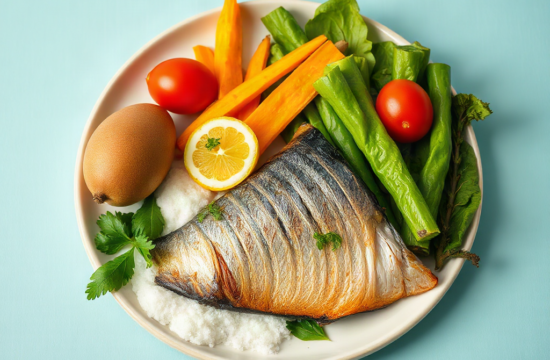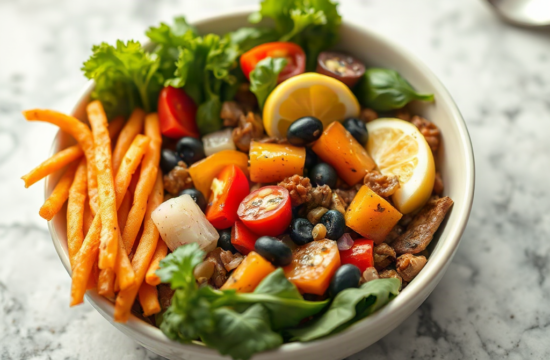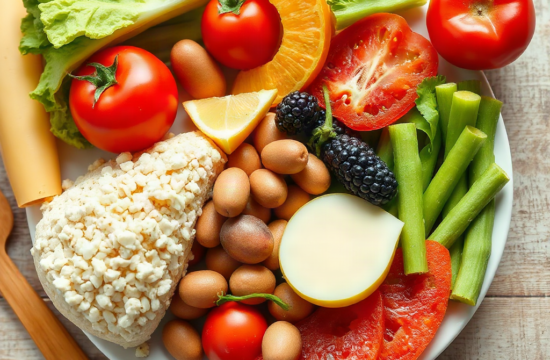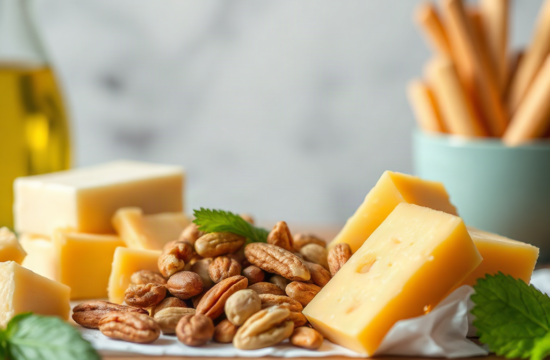
To effectively incorporate snacks into your diet, focus on nutrient-dense options like fruits, nuts, and yogurt while timing them to complement your meals. This approach helps to manage hunger and maintain energy levels throughout the day. Avoid processed snacks high in sugar and unhealthy fats, as they can lead to cravings and energy crashes. By prioritizing healthy choices and mindful eating, you can enhance your overall nutrition without compromising your dietary goals.
Understanding the Role of Snacks in a Balanced Diet
Snacks serve a crucial function in maintaining energy levels and preventing hunger between meals. They can help stabilize blood sugar levels and keep you from overeating during main meals. Understanding the right balance of snacks can enhance your dietary experience and support your nutritional goals.
Incorporating snacks can be especially beneficial for those with busy lifestyles or specific dietary needs. For example, athletes may require additional calories and nutrients throughout the day to support their activity levels. However, the key is to choose snacks that align with your overall dietary strategy, emphasizing quality over quantity.
Choosing the Right Snacks
When selecting snacks, aim for options that are high in nutrients but low in empty calories. Nutrient-dense snacks include fruits, vegetables, whole grains, lean proteins, and healthy fats. For instance, an apple with almond butter or Greek yogurt with berries can provide lasting energy and essential nutrients.
On the other hand, processed snacks often contain high levels of sugar, sodium, and unhealthy fats. These can lead to spikes in blood sugar followed by crashes, leaving you feeling fatigued and craving more food. Therefore, it’s vital to read labels and be mindful of ingredient lists when choosing snacks.
Timing Your Snacks for Optimal Benefits
Timing can significantly impact the effectiveness of your snacking strategy. Ideally, snacks should be consumed 2-3 hours after a meal to maintain energy levels and prevent hunger. This approach helps in managing portion sizes during main meals and can enhance nutrient absorption.
For those leading active lifestyles, consider timing your snacks around workouts. Consuming a snack rich in carbohydrates and protein before or after exercising can aid in recovery and muscle repair. For example, a banana with a small serving of peanut butter can be an excellent pre-workout snack, while a protein shake post-exercise can support recovery.
Common Mistakes to Avoid
One of the most common mistakes people make when incorporating snacks is opting for convenience over nutrition. While it may be tempting to grab a bag of chips or a sugary granola bar, these choices can undermine your dietary goals and lead to unhealthy eating patterns.
Another mistake is neglecting portion control. Even healthy snacks can contribute to weight gain if consumed in excess. It’s essential to measure out portions and be mindful of how many snacks you consume throughout the day. Setting aside specific snack times can help establish a routine that promotes healthier choices.
Frequently Asked Questions
What are some healthy snack options?
Healthy snack options include fruits, nuts, yogurt, and whole-grain crackers with hummus. These choices provide essential nutrients without excessive calories.
How often should I snack during the day?
Snacking every 2-3 hours is ideal for maintaining energy levels and preventing hunger. Adjust the frequency based on your activity level and personal needs.
Can snacking help with weight management?
Yes, healthy snacking can aid in weight management by preventing overeating during meals and providing necessary nutrients without excess calories.
What should I avoid when snacking?
Avoid processed snacks high in sugar and unhealthy fats, as they can lead to energy crashes and cravings. Focus on whole, nutrient-dense foods instead.
Is it okay to snack late at night?
Late-night snacking can be acceptable if you choose healthy options and are mindful of portion sizes. Avoid heavy or sugary snacks that may disrupt sleep.
Conclusion
Incorporating snacks into your diet effectively involves choosing the right foods, timing them appropriately, and avoiding common pitfalls. By focusing on nutrient-dense options and being mindful of portions, you can enhance your overall nutrition and support your dietary goals. Consider your lifestyle and activity levels to determine the best snacking strategy for you. Prioritize healthy choices, and remember that snacks can be a valuable part of a balanced diet.
Support Your Weight Loss Goals
HUGE DISCOUNT ON THE BEST CERTIFIED ORGANIC NUTRIENT DENSE SUPPLEMENT!
Related Content
- Debunking the Top 5 Diet Myths for Good
- 10 Best Low Carb Breakfast Recipes (2025 Guide to Stay Lean and Energized)
- Safe Way to Lose Weight
- How to Recover from a Weight Loss Plateau: Effective Strategies and Common Mistakes
- Build a Simple Diet Plan in 5 Easy Steps to Transform Your Health and Boost Confidence