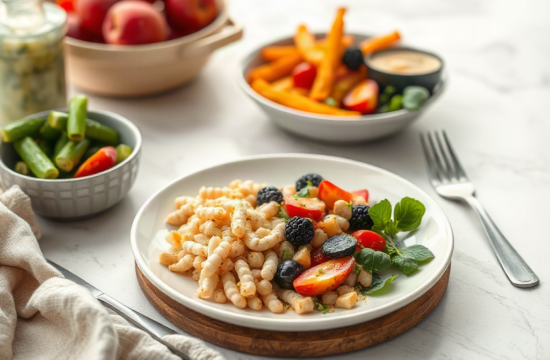

Focus on incorporating whole foods into your meals, as they provide essential nutrients while helping to manage hunger. A balanced intake of macronutrients—carbohydrates, proteins, and fats—is crucial, as each plays a vital role in your body’s functioning and satiety levels.
Whole foods—such as fruits, vegetables, whole grains, and lean proteins—are essential for any successful dieting strategy. This can lead to better nutrient absorption and overall health improvements.
The Importance of Whole Foods
Whole foods—such as fruits, vegetables, whole grains, and lean proteins—are essential for any successful dieting strategy. They are nutrient-dense, meaning they provide more vitamins and minerals per calorie compared to processed foods. Incorporating a variety of whole foods can help you feel fuller for longer, reducing the likelihood of snacking on unhealthy options.
Additionally, whole foods often contain fiber, which aids in digestion and promotes a healthy gut. This can lead to better nutrient absorption and overall health improvements. Focus on including a colorful array of fruits and vegetables in your diet, as each color typically represents different beneficial nutrients.
Balancing Macronutrients
Understanding the role of macronutrients in your diet is crucial for optimizing your weight loss results. Carbohydrates provide energy, proteins support muscle maintenance and repair, while fats are essential for hormone production and nutrient absorption. A balanced macronutrient intake can help you feel satisfied and energized throughout the day.
To achieve this balance, consider using the plate method: fill half your plate with vegetables, one-quarter with lean protein, and one-quarter with healthy carbohydrates. This approach not only simplifies meal planning but also ensures you receive the necessary nutrients while keeping your calorie intake in check.
Setting Realistic Goals
Setting achievable and realistic goals is vital for maintaining motivation and ensuring long-term success. Instead of aiming for rapid weight loss, focus on gradual changes that are sustainable. A common recommendation is to target a weight loss of 1-2 pounds per week, which is both realistic and healthy.
Consider adopting non-scale goals, such as improving your energy levels, increasing your physical activity, or fitting into a specific clothing size. These goals help shift the focus away from the scale and encourage a more holistic view of health and wellness.
Meal Prep Strategies
Meal prepping can be a game-changer for anyone looking to improve their dieting results. By planning and preparing meals in advance, you can ensure that you have healthy options readily available, reducing the temptation to opt for convenience foods. Start by dedicating a few hours each week to plan your meals and snacks.
Focus on batch cooking staple items such as grains, proteins, and vegetables that can be mixed and matched throughout the week. Use clear containers to store your meals, making it easy to grab and go. This strategy not only saves time but also helps you stick to your dietary goals.
Mindful Eating Practices
Mindful eating is an effective practice that encourages awareness of your eating habits, helping you to develop a healthier relationship with food. By slowing down and savoring each bite, you can better recognize your body’s hunger and fullness cues. This practice can prevent overeating and enhance your overall enjoyment of meals.
Support Your Weight Loss Goals
Huge Discount on the Best Certified Organic Nutrient Dense Supplement!
To practice mindful eating, eliminate distractions during meals, such as watching TV or scrolling through your phone. Instead, focus on the flavors, textures, and aromas of your food. This heightened awareness can lead to more intentional eating choices and improved satisfaction with your meals.
Frequently Asked Questions
What are the best foods to include in a diet for weight loss?
Focus on whole foods like fruits, vegetables, lean proteins, and whole grains for optimal weight loss.
How can I stay motivated while dieting?
Set realistic goals, track your progress, and celebrate small victories to maintain motivation.
What is meal prepping?
Meal prepping involves planning and preparing meals in advance to ensure healthy options are readily available.
How does mindful eating help with weight loss?
Mindful eating helps you recognize hunger and fullness cues, preventing overeating and improving satisfaction.
What macronutrient balance is best for weight loss?
A balanced intake of carbohydrates, proteins, and fats is essential for effective weight loss and overall health.
Conclusion
Incorporating dieting tips that improve results requires a holistic approach focused on whole foods, balanced macronutrients, and realistic goal-setting. By prioritizing meal prep and mindful eating, you can enhance your adherence to dietary plans and achieve sustainable weight loss. Remember that understanding your body’s needs and adjusting your strategies accordingly is crucial for long-term success.