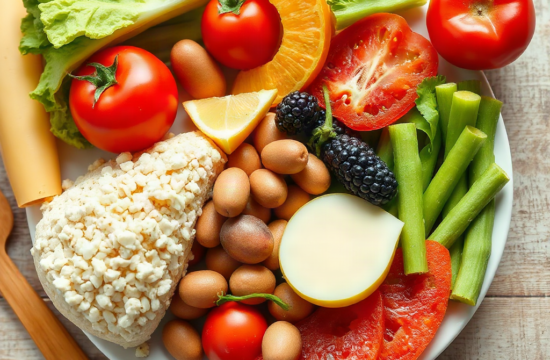
Including whole foods in your diet offers numerous benefits, such as improved nutrient intake, better digestion, and enhanced overall health. Whole foods, which include fruits, vegetables, whole grains, and lean proteins, provide essential vitamins, minerals, and fiber that processed foods often lack. This dietary choice supports weight management, reduces the risk of chronic diseases, and promotes a healthier gut microbiome, making it a vital aspect of a balanced lifestyle.
Understanding Whole Foods
Whole foods are minimally processed foods that retain their natural form, including fruits, vegetables, whole grains, nuts, seeds, and lean proteins. Unlike processed foods, which often contain added sugars, unhealthy fats, and artificial ingredients, whole foods provide a cleaner, more nutritious alternative. Understanding what constitutes whole foods is crucial, as they form the foundation of a healthy diet.
Whole foods typically have a higher nutrient density, meaning they pack more vitamins, minerals, and fiber into fewer calories. This makes them an excellent choice for those looking to enhance their overall health and wellness. A common misconception is that healthy eating requires complicated recipes or expensive ingredients; however, whole foods are often accessible and can be prepared simply.
Nutritional Advantages of Whole Foods
The nutritional advantages of including whole foods in your diet are significant. Whole foods provide essential nutrients that are often lacking in processed foods. For instance, fruits and vegetables are rich in vitamins A and C, potassium, and dietary fiber, all of which contribute to various bodily functions and help reduce the risk of chronic diseases.
Moreover, whole grains, such as brown rice and quinoa, offer complex carbohydrates and fiber, which can help regulate blood sugar levels and promote feelings of fullness. Lean proteins, like chicken, fish, and legumes, supply the body with necessary amino acids for muscle repair and growth. By prioritizing whole foods, you can ensure that your body receives the nutrients it needs to function optimally.
One common mistake people make is assuming that all foods marketed as healthy are indeed beneficial. For example, granola bars may seem healthy but often contain added sugars and preservatives. By focusing on whole foods, you can avoid these hidden pitfalls and prioritize your health.
Impact on Health and Wellbeing
Including whole foods in your diet can have a profound impact on your overall health and wellbeing. Research suggests that diets rich in whole foods are associated with a lower risk of chronic diseases such as heart disease, diabetes, and obesity. Whole foods support a healthy gut microbiome, which plays a vital role in digestion and immune function.
Additionally, whole foods are often more satisfying than processed options, leading to better appetite control and weight management. People who consume a diet high in whole foods report higher energy levels, improved mood, and better mental clarity. This is likely due to the balanced nutrient intake provided by whole foods, which supports brain health and cognitive function.
To maximize these benefits, consider making gradual changes to your diet. Start by incorporating more fruits and vegetables into your meals, replacing refined grains with whole grains, and choosing lean protein sources. This approach can lead to lasting health improvements without feeling overwhelming.
Practical Tips for Incorporating Whole Foods
Incorporating whole foods into your diet doesn’t have to be a daunting task. Here are some practical tips to help you get started:
- Plan Your Meals: Take the time to plan your meals for the week. This will help you ensure that you have a variety of whole foods on hand and prevent the temptation to reach for processed snacks.
- Shop the Perimeter: When grocery shopping, focus on the perimeter of the store where fresh produce, meats, and dairy are typically located. This strategy minimizes exposure to processed foods found in the inner aisles.
- Experiment with Recipes: Try new recipes that highlight whole foods. This can be a fun way to discover new flavors and textures while expanding your diet.
- Snack Wisely: Choose whole food snacks like fruits, nuts, or yogurt instead of chips or candy. These options are more nutritious and satisfying.
- Stay Hydrated: Drink plenty of water and consider incorporating herbal teas or infused water with fruits and herbs for added flavor without added sugars.
Remember, making gradual changes is key to long-term success. Start by incorporating one or two whole foods into your meals each week, and build from there.
Support Your Weight Loss Goals
Huge Discount on the Best Certified Organic Nutrient Dense Supplement!
Frequently Asked Questions
What are whole foods?
Whole foods are minimally processed foods that retain their natural form, such as fruits, vegetables, whole grains, nuts, seeds, and lean proteins.
How do whole foods benefit my health?
Whole foods provide essential nutrients, improve digestion, support weight management, and reduce the risk of chronic diseases.
Can I still enjoy processed foods?
While it's best to prioritize whole foods, occasionally enjoying processed foods in moderation is acceptable. Focus on balance and nutrient density.
How can I incorporate more whole foods into my diet?
Start by planning meals, shopping the perimeter of the grocery store, and experimenting with new recipes featuring whole foods.
What are some common mistakes when transitioning to whole foods?
A common mistake is assuming all "healthy" labeled foods are whole foods. Always check ingredient labels and opt for minimally processed options.
Conclusion
Whole foods offer a multitude of benefits, from enhancing nutrient intake to reducing the risk of chronic diseases. By making mindful choices and gradually incorporating more whole foods into your diet, you can significantly improve your overall health and wellbeing. Focus on practical strategies, like meal planning and exploring new recipes, to create a sustainable and enjoyable eating pattern. Ultimately, prioritizing whole foods is a manageable way to support your health journey.
Support Your Weight Loss Goals
HUGE DISCOUNT ON THE BEST CERTIFIED ORGANIC NUTRIENT DENSE SUPPLEMENT!
Related Content
- Impact of Stress on Weight Loss Efforts: Understanding Hormonal Effects and Practical Solutions
- Ditch the Scale: How to Measure Progress on Your Weight Loss Journey Beyond Numbers
- Effective Guide: 7 Powerful Tips on How to Transition Into Carnivore Diet 2025
- The Power of Your Choices: A Message for Health and Wellness
- How to Track Your Food Intake Accurately: Essential Tools and Techniques