
While protein plays a significant role in weight loss, carbohydrates and healthy fats are also essential for overall health. For instance, pairing protein with fiber-rich vegetables and whole grains can enhance satiety and provide sustained energy throughout the day. Common mistakes include relying too heavily on processed protein shakes or bars, which may lead to excessive calorie intake and an imbalance in nutrition.
A high-protein diet offers numerous benefits that can support weight loss. Research indicates that protein influences the hormones responsible for appetite regulation, leading to decreased hunger and increased feelings of fullness after meals.
Benefits of a High-Protein Diet
A high-protein diet offers numerous benefits that can support weight loss. One of the most significant advantages is its ability to enhance satiety, which can help reduce overall calorie intake. Research indicates that protein influences the hormones responsible for appetite regulation, leading to decreased hunger and increased feelings of fullness after meals. Additionally, maintaining a higher protein intake can help preserve lean muscle mass during weight loss, which is vital for maintaining a healthy metabolism.
Incorporating sufficient protein into your diet can also impact your energy levels positively. As protein-rich foods require more energy to digest, they can increase the thermic effect of food (TEF), which refers to the calories burned during digestion. This additional calorie expenditure can further support your weight loss efforts. However, it’s essential to ensure that the protein sources you choose are lean and nutrient-dense, avoiding those high in saturated fats or sugars.
Effective High-Protein Foods
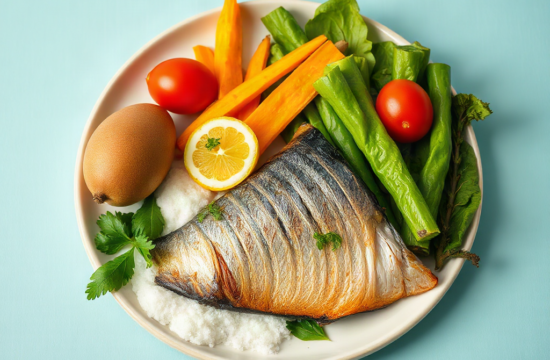
Choosing the right protein sources is crucial for successful weight loss. Ideal options include lean meats such as chicken breast, turkey, and fish, which provide high-quality protein with minimal fat. Plant-based proteins like lentils, chickpeas, beans, and quinoa are also excellent choices, offering additional fiber that can aid in digestion and satiety.
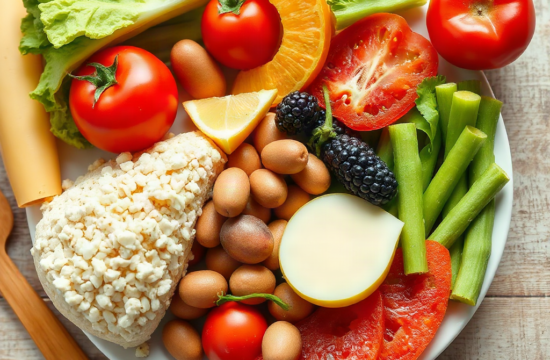
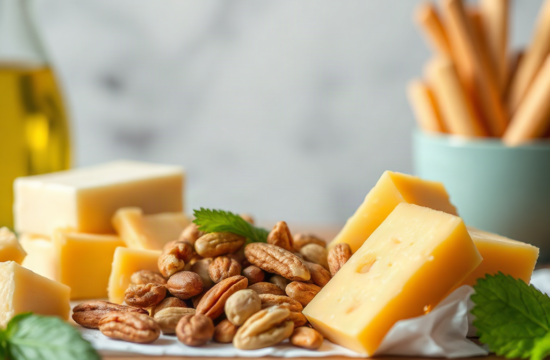
Incorporating dairy products such as Greek yogurt, cottage cheese, and low-fat cheese can further enrich your diet with protein while providing calcium and other essential nutrients. Eggs are another versatile protein source, known for their high biological value, making them an excellent addition to any meal. When planning your meals, aim to include a variety of these protein sources while keeping an eye on portion sizes to maintain a caloric deficit.
Sample Meal Plans
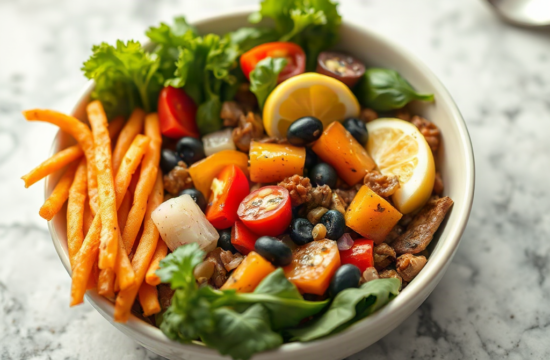
Creating a meal plan centered around high-protein foods can simplify your weight loss journey. For breakfast, consider options like scrambled eggs with spinach or Greek yogurt topped with berries and nuts. For lunch, grilled chicken on a bed of mixed greens with a vinaigrette dressing is both nutritious and filling. Dinner could feature baked salmon with quinoa and steamed broccoli, ensuring a balanced intake of protein and other nutrients.
Snacks can include protein-rich choices like a handful of almonds, a protein shake, or carrot sticks with hummus. Planning your meals ahead of time can help you stay on track and avoid impulsive food choices that may derail your weight loss efforts.
Common Pitfalls to Avoid
While high-protein diets can be effective for weight loss, there are several pitfalls to watch out for. One common mistake is neglecting other food groups, leading to an unbalanced diet that lacks essential vitamins and minerals. It’s important to include a variety of fruits, vegetables, and whole grains to ensure comprehensive nutrition.
Another issue is over-relying on protein supplements, which can contribute to excess caloric intake and potentially lack the nutrients found in whole foods. Aim to get most of your protein from natural sources rather than processed products. Additionally, be mindful of portion sizes, as even healthy foods can lead to weight gain if consumed in excess.
Support Your Weight Loss Goals
Huge Discount on the Best Certified Organic Nutrient Dense Supplement!
For additional insights into high-protein dieting and weight loss strategies, consider consulting reputable health and nutrition sources.
Frequently Asked Questions
What are the main benefits of a high-protein diet?
A high-protein diet can enhance satiety, promote muscle retention during weight loss, and potentially boost metabolism through increased thermic effect.
How can I include more protein in my diet?
Incorporate lean meats, fish, eggs, dairy, legumes, and nuts into your meals and snacks to increase protein intake effectively.
Are protein supplements necessary for weight loss?
No, most people can meet their protein needs through whole foods without relying on supplements, which can often lead to excess calorie intake.
What are some common mistakes to avoid on a high-protein diet?
Common mistakes include neglecting other food groups, over-relying on processed protein sources, and consuming excessive portions.
Can a high-protein diet be balanced?
Yes, a balanced high-protein diet should also include fruits, vegetables, and whole grains to ensure comprehensive nutrition.
Conclusion
All in all, a high-protein diet can be an effective strategy for weight loss when implemented correctly. Focus on incorporating a variety of lean protein sources while maintaining a balanced intake of other nutrients. Meal planning can help streamline your efforts and prevent common pitfalls. By prioritizing whole foods and being mindful of portion sizes, you can achieve your weight loss goals while enjoying a diverse and nutritious diet.