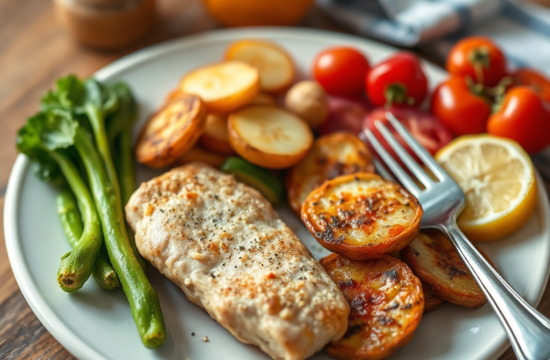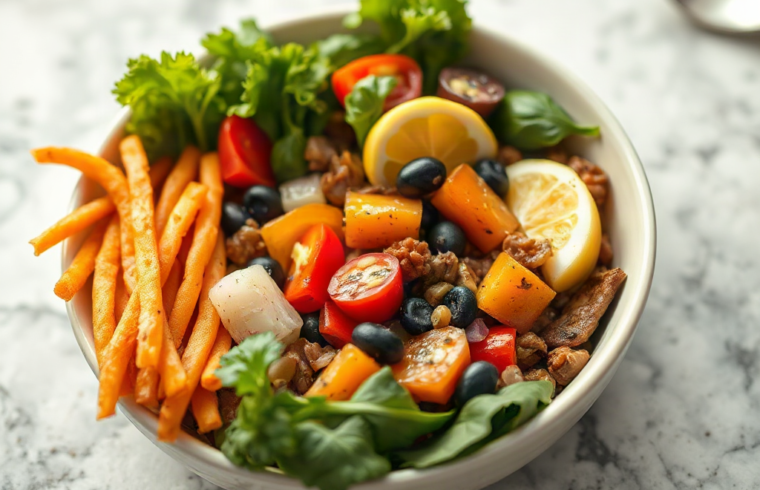
Adapt dieting for vegetarian protein needs by assigning a protein source to each meal, combining legumes, soy foods, dairy or eggs when suitable, and adjusting portions to match appetite and activity. Lentils, beans, tofu, tempeh, Greek yogurt, cottage cheese, eggs, and fortified soy foods provide different amounts of protein and useful nutrients. Spread these foods across breakfast, lunch, dinner, and snacks rather than relying on one large serving at night. Watch for meals built mostly from vegetables, grains, or nuts, because they may be nutritious yet low in protein relative to their calories.
Set a Protein Target That Fits the Diet
Vegetarian dieting works better when protein is planned before calories are divided among meals. A person who removes meat but keeps eating the same breakfast, lunch, and dinner may unintentionally replace a concentrated protein source with bread, rice, potatoes, vegetables, or extra cheese. The result can be a diet that looks wholesome but provides less protein and, in some cases, more calories than intended.
Protein needs are individual. Body size, age, training volume, appetite, health conditions, and the purpose of the diet all matter. Someone eating fewer calories while strength training may need to be more deliberate than someone maintaining weight with a varied diet. A clinician or registered dietitian can help set a suitable target when kidney disease, pregnancy, digestive disorders, or a history of disordered eating is involved.
A useful planning method is to divide the day into three meals and one or two snacks, then give each eating occasion a clear protein role. Breakfast might include Greek yogurt, eggs, cottage cheese, or fortified soy milk. Lunch could center on lentils, chickpeas, tofu, or tempeh. Dinner might use beans, edamame, seitan, or a combination of foods. This approach is more reliable than trying to estimate protein after the day is over.
Do not assume that every plant food contributes protein in the same way. Nuts, seeds, oats, and whole grains contain protein, but their portions may bring substantial fat or carbohydrate as well. They can complement a meal without serving as its primary protein anchor. A common failure pattern is adding a spoonful of nut butter to a low-protein breakfast and treating the meal as complete; the better question is whether the entire portion delivers enough protein for the person’s needs and calorie budget.
Use vegetarian protein planning as a flexible structure, not a rigid prescription. If hunger rises between meals, increase the protein and fiber content of the meal that preceded it. If calories climb quickly, choose more concentrated options such as tofu, tempeh, low-fat dairy, seitan, or unsweetened soy foods instead of simply adding larger servings of nuts or cheese.
Build Vegetarian Meals Around Dense Protein Foods
Protein-dense vegetarian foods make calorie control easier because they provide more protein without requiring an impractically large plate. Legumes remain valuable staples: lentils, black beans, kidney beans, chickpeas, split peas, and soybeans contribute protein, fiber, minerals, and carbohydrate. Tofu and tempeh are especially convenient because they can replace meat in stir-fries, bowls, sandwiches, and salads without changing the meal’s basic structure.
Dairy and eggs expand the options for lacto-ovo vegetarians. Plain Greek yogurt can form the base of breakfast or a savory sauce, while cottage cheese works in a snack, grain bowl, or blended dip. Eggs provide a practical meal component, although an egg-based meal may still need beans, yogurt, or another food if the total protein target is high. For vegan diets, fortified soy milk, tofu, tempeh, edamame, seitan, and textured vegetable protein deserve priority over relying mainly on vegetables and grains.
Meal composition affects both convenience and satisfaction. A lentil-and-quinoa bowl with roasted vegetables and yogurt sauce offers a different balance from a large salad topped with a small amount of chickpeas and seeds. The first option makes the protein source visible and easier to portion. The second may be lower in protein than expected while carrying calories from dressing, cheese, and seeds. Choose the format that makes the main protein easy to identify.
Protein quality does not require every meal to contain a perfectly calculated amino-acid combination. Eating a variety of legumes, soy foods, grains, dairy, eggs, nuts, and seeds over the day generally creates a broader amino-acid pattern. Pairing foods can still be useful for taste and texture: beans with rice, hummus with whole-grain pita, or tofu with soba noodles creates a satisfying meal, but the combination should not become a reason to overeat.
Processed vegetarian products require label judgment. A meat alternative may be convenient and protein-rich, but sodium, saturated fat, added starch, or low fiber can vary widely. Compare products by protein per serving, then inspect the ingredient list and nutrition panel. A frozen soy-based entrée can fit a busy schedule; it does not need to replace beans, lentils, or tofu at every meal. Vegetarian dieting adjustments work best when convenience foods support, rather than displace, a varied food pattern.
Manage Calories, Fullness, and Nutrient Tradeoffs
Vegetarian protein choices differ sharply in calorie density, fiber, and preparation demands. Beans and lentils are filling because they combine protein with fiber and water, but a large serving may also supply considerable carbohydrate. Tofu and seitan can provide a more concentrated protein option, while nuts and seeds are energy-dense and easier to overportion. No category is automatically good or bad; the useful choice depends on the meal’s remaining calories, the person’s hunger, and the rest of the day.
A calorie-controlled plate can begin with a measured protein portion, then add vegetables, a suitable carbohydrate, and a flavorful fat source. For example, baked tofu with broccoli, brown rice, and a modest tahini dressing may be easier to manage than a bowl dominated by rice and tahini with only a few tofu cubes. A lentil soup can be paired with a high-protein yogurt or a bean-based side when the soup alone does not provide enough protein.
Fiber deserves attention during the transition. A sudden increase in beans, lentils, and large servings of vegetables may cause gas, bloating, or early fullness. Gradually increasing portions, rinsing canned beans, choosing well-cooked legumes, and spreading them across meals may improve tolerance. Persistent digestive symptoms should not be dismissed as a normal adjustment, particularly when they are severe or accompanied by weight change, pain, or bleeding.
Micronutrients can become the limiting issue when a vegetarian diet is narrowed too aggressively. Vegan eaters need a dependable vitamin B12 source, usually through fortified foods or a supplement selected with professional guidance. Iron from plants is absorbed differently from iron in animal foods, so legumes, tofu, fortified cereals, and leafy greens can be combined with vitamin C-rich produce. Calcium, iodine, zinc, and omega-3 fats also deserve attention. These are nutrition-planning issues, not reasons to abandon vegetarian eating.
A frequent mistake is using cheese, cream, or nut products to make meals feel substantial while overlooking protein density. Replacing some of those calories with tofu, beans, low-fat dairy, or fortified soy foods may create more room for protein without making the diet more restrictive. Readers comparing options can use this protein-focused meal approach to identify whether a meal needs more protein, fewer energy-dense additions, or simply a better portion balance.
Use a Practical Daily Plan and Check Progress
A workable vegetarian plan should survive ordinary mornings, restaurant meals, limited cooking time, and changing appetite. Consider a breakfast of fortified soy milk blended with oats and yogurt or silken tofu, a lunch of lentil soup with whole-grain toast, an afternoon snack of cottage cheese or roasted edamame, and dinner built around tempeh, vegetables, and a measured serving of noodles. The exact foods can change, but each eating occasion has a recognizable protein source.
Support Your Weight Loss Goals Huge Discount on the Best Certified Organic Nutrient Dense Supplement!
Batch cooking reduces the temptation to substitute low-protein convenience foods. Prepare lentils, beans, baked tofu, or hard-boiled eggs in advance, then keep quick additions such as plain yogurt, edamame, and fortified soy milk available. A person with little time may benefit more from two reliable prepared proteins than from an elaborate seven-day menu. Restaurant choices can follow the same logic: select a bean, tofu, tempeh, egg, or dairy-centered entrée and ask for sauces or cheese separately when portions are unclear.
Track the plan for several days if the diet feels difficult to judge. Record the main protein at meals, hunger between meals, exercise demands, digestion, and whether calories are being consumed mostly through oils, cheese, snacks, or large grain portions. Signs that the approach is working include steadier meal satisfaction, consistent energy, and a menu that feels repeatable. Signs it needs revision include constant grazing, declining training recovery, unplanned weight changes, or meals that require unusually large volumes of food.
Adjust one variable at a time. Add a protein-rich snack if meals are adequate but the afternoon is difficult; replace a calorie-dense topping if total energy is too high; reduce legume portions temporarily if digestion is the immediate barrier. People following vegan diets, eating very little, or experiencing fatigue should seek individualized advice rather than assuming that more restriction will solve the problem.
The most useful checklist is short:
- Identify a clear protein food at each main meal.
- Use legumes or soy foods regularly and vary the choices.
- Check whether nuts, seeds, cheese, oils, and sauces are crowding out protein.
- Plan B12 and other nutrients according to the diet pattern.
- Review hunger, digestion, energy, and practicality before making larger changes.
Further Reading
For nutrient amounts, compare food labels with USDA FoodData Central entries; for B12, iron, calcium, iodine, and supplement questions, use information from the NIH Office of Dietary Supplements or discuss personal needs with a qualified health professional.
Frequently Asked Questions
Can vegetarians get enough protein without supplements?
Many people can meet protein needs from beans, lentils, soy foods, dairy, eggs, grains, nuts, and seeds. Supplements may be convenient, but they are not automatically necessary.
What is the best vegetarian protein for dieting?
There is no single best choice. Tofu, tempeh, seitan, lentils, low-fat dairy, Greek yogurt, and edamame can be useful when their portions fit the person’s calorie, digestion, and taste preferences.
Do vegetarians need to combine proteins at every meal?
Usually not. A varied diet across the day generally supplies complementary amino acids. Combining foods can improve texture and satisfaction but does not require precise meal-by-meal calculations.
How can vegans protect vitamin B12 intake?
Use a dependable fortified food or B12 supplement and review the choice with a clinician or dietitian, especially when intake is limited or symptoms raise concern.
Why am I hungry after switching to vegetarian meals?
The meals may contain plenty of vegetables and grains but too little concentrated protein or fat. Add a clearly portioned protein source and assess whether large amounts of calorie-dense toppings are replacing meal structure.
Conclusion
Adapting a diet for vegetarian protein needs begins with meal structure, not with searching for one perfect ingredient. Put a recognizable protein source into each main meal, rotate legumes, soy foods, dairy, eggs, seitan, and fortified products, and account for the calorie and fiber differences among them. Treat nuts, seeds, cheese, oils, and meat alternatives as choices requiring portion awareness rather than automatic staples. Monitor hunger, digestion, energy, and dietary practicality for several days before changing the entire plan. Vegans should establish a reliable B12 strategy, while anyone with a medical condition or persistent symptoms should seek personalized nutrition advice. A varied, repeatable menu is more useful than a highly restrictive plan that looks precise but cannot be maintained.
Support Your Weight Loss Goals
HUGE DISCOUNT ON THE BEST CERTIFIED ORGANIC NUTRIENT DENSE SUPPLEMENT!
Related Content
- 10 Effective Fast Weight Loss Tips (2025 Guide to Burn Fat Quickly)
- How to Avoid the Common Traps of Popular Dieting
- Can Stress Hormones Prevent Effective Fat Loss Results: Understanding Mechanisms and Common Mistakes
- The Truth About Detoxes and Cleanses: Do They Really Work
- Weight Loss Tips To Take It Off And Keep It Off
Further Reading
Authoritative Sources
- CDC Nutrition
cdc.govOfficial public-health nutrition guidance and data.
- USDA FoodData Central
fdc.nal.usda.govOfficial food composition and nutrient data.
- MedlinePlus Health Information
medlineplus.govConsumer health information from the U.S. National Library of Medicine.
- NIH Office of Dietary Supplements
ods.od.nih.govEvidence-based fact sheets about vitamins, minerals, supplements, and nutrition.