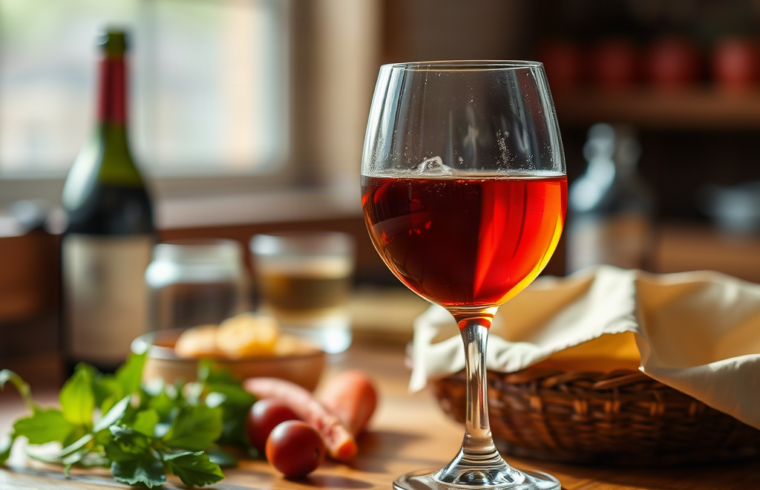
Alcohol affects calorie control during dieting through the drink’s own energy, reduced food restraint, appetite-driven choices, and the tendency to underestimate portions. A glass of wine, beer, or spirits with a mixer can fit within a planned intake, but several servings may use a substantial share of the day’s calories before food is counted. Alcohol may also lower inhibitions, making high-calorie snacks, takeout, or late-night meals more likely. Count the beverage and mixer, eat a protein- and fiber-rich meal beforehand, alternate drinks with water, and avoid compensating with severe restriction the next day.
Where Alcohol Calories Enter a Diet
Alcohol can make calorie control harder because it contributes energy without providing the same fullness as a meal built from protein, fiber, and minimally processed foods. The beverage itself is only one part of the calculation. Sugar-sweetened mixers, generous pours, bar snacks, restaurant food, and next-day appetite changes can all affect the daily energy balance.
Pure alcohol supplies energy, while the final calorie content depends on the amount served and the other ingredients in the drink. A measured spirit with soda water is different from the same spirit mixed with regular tonic, juice, syrup, or a creamy liqueur. Beer varies by style and serving size, and wine calories rise when a “glass” is poured well beyond a standard serving. The practical issue is not that every alcoholic drink automatically prevents progress; it is that casual serving estimates often hide the total.
Consider a social dinner. A person may record one drink, then receive a larger pour, taste a friend’s cocktail, eat bread and appetizers, and order dessert after deciding the day is already “off plan.” None of those choices is mysterious, but several small additions can turn a modest calorie deficit into maintenance or a surplus. The comparison with water, unsweetened tea, or a zero-calorie mixer is straightforward: those alternatives leave more of the daily calorie budget available for food.
A useful first step is to treat alcohol as part of the meal plan rather than as an exception. Check the label when available, estimate the actual pour, and include mixers. Do not assume that a lower-carbohydrate drink is automatically low-calorie; alcohol still contributes energy, and a drink can be low in carbohydrate while remaining calorie-dense. Readers looking at the broader pattern can also review How alcohol affects calorie control during dieting alongside their usual meal-tracking habits.
Why Drinking Often Changes Food Choices
Alcohol may disrupt calorie control through behavior as much as through beverage calories. As intake rises, judgment and inhibition can change, making an unplanned appetizer, second dinner, or late-night snack more appealing. Alcohol can also be consumed when people are already hungry, tired, or in a social setting where calorie-dense food is readily available.
The appetite effect is not identical for everyone. Some people feel less interested in food after drinking, while others become more likely to seek salty, fatty, or highly palatable options. Sleep disruption can further complicate the next day: a poor night may leave someone less organized with meals, more reliant on convenience foods, or more inclined to skip planned activity. These effects are behavioral possibilities, not guaranteed responses, so an individual’s own pattern is more useful than a universal claim.
A common mistake is budgeting only for the drink and ignoring the environment around it. A person might reserve 150 calories for wine but arrive at a party without eating, then consume chips while waiting for dinner. Another person may eat a balanced meal first and choose one measured drink, avoiding the hunger-and-impulse combination. The second approach does not require perfect restraint; it changes the conditions that make overeating more likely.
Before drinking, a meal containing lean protein, vegetables, fruit, beans, potatoes, rice, or whole grains can provide more satiety than trying to “save” all the calories by skipping food. That tradeoff matters: aggressive daytime restriction may appear efficient on paper but can increase hunger later. If drinking repeatedly leads to loss of control, unplanned eating, or difficulty stopping, calorie mathematics is no longer the only concern. Reducing or avoiding alcohol and discussing the pattern with a qualified health professional may be more appropriate than refining a tracking spreadsheet.
Comparing Drinks, Mixers, And Serving Sizes
Drink selection influences calorie control, but serving size usually matters more than the label’s health halo. A light beer, dry wine, spirit with a zero-calorie mixer, sweet cocktail, and hard soda may occupy very different calorie ranges. Exact values vary by brand and recipe, so packaging, restaurant information, or a recipe estimate is preferable to guessing.
Mixed drinks create the largest estimation problem because the recipe may include multiple spirits, sugar, juice, cream, or flavored syrups. A cocktail described as “one drink” may contain more alcohol and calories than a measured single serving. Restaurant pours also vary. Ordering a simple spirit with soda water and lime can make ingredients easier to identify, whereas a frozen or layered cocktail may be difficult to estimate accurately.
Beer and wine are not automatically better or worse choices. A large craft beer may contain more calories than a smaller standard beer, while a large wine pour can exceed the amount someone intended to have. The relevant comparison is the total serving and the frequency, not whether the drink sounds lighter, natural, dry, or premium. USDA FoodData Central can help with food and beverage composition, but branded labels remain the better source when a product-specific value is available.
Use a short pre-event checklist:
- Decide how many servings you intend to have before the first drink.
- Choose a measurable drink and identify the mixer or recipe ingredients.
- Eat a substantial meal instead of arriving very hungry.
- Alternate alcoholic drinks with water or another nonalcoholic beverage.
- Record the drink while you can still remember the pour and ingredients.
These steps do not make alcohol calorie-free, and they cannot guarantee adherence. They reduce uncertainty, which is often the immediate problem. Someone who values a cocktail may reasonably choose it and adjust elsewhere; someone who mainly wants a social ritual may find sparkling water with citrus gives similar participation at a lower calorie cost.
A Practical Plan For Drinking While Dieting
A workable plan protects the weekly pattern rather than demanding compensation for a single evening. Begin by looking at the day’s existing meals and the number of drinks that realistically fit. A modest calorie buffer can be created by choosing less calorie-dense foods earlier, but meals should still include protein, produce, and enough carbohydrate or fat to feel satisfying.
For example, before a dinner out, someone might eat yogurt and fruit in the morning, a bean-and-chicken salad at lunch, and a balanced snack before leaving. At the restaurant, that person can select one drink, water, a protein-based entrée, and a vegetable side. The alternative—skipping lunch, arriving ravenous, and relying on willpower around alcohol and shared appetizers—creates more pressure and often produces a larger unplanned intake.
Set the decision points in advance. Choose whether the priority is a particular drink, dessert, an appetizer, or several drinks; trying to include every indulgence while maintaining the same deficit may not be realistic. Portion food onto a plate rather than grazing directly from a shared bowl, and pause before ordering another drink. A slower pace gives more time to notice whether the next serving is wanted or simply available.
Support Your Weight Loss Goals Huge Discount on the Best Certified Organic Nutrient Dense Supplement!
The next morning, return to ordinary meals and hydration rather than fasting or punishing exercise. Scale weight may fluctuate after drinking because of fluid shifts, food volume, sodium, and sleep changes; it is not a reliable immediate measure of fat change. Look at several days of intake and weight trends instead. If one planned social evening repeatedly becomes a two-day disruption, reduce the number of drinks, change the setting, or schedule alcohol less often.
People with medical conditions, medication interactions, pregnancy, a history of alcohol dependence, or difficulty controlling intake should not use a dieting plan as a reason to drink. Alcohol can carry health and safety concerns beyond calories, and individualized medical advice may be necessary.
Common Tracking Errors And Better Adjustments
The most frequent tracking error is recording an idealized serving rather than what was actually consumed. A “small pour” may be filled at home without measuring, and a bar cocktail may contain ingredients that never appear in a standard food database entry. Under-counting the drink can then make the person believe the diet has stopped working for unexplained reasons.
A second error is focusing on alcohol alone. The calories from a drink may be manageable, but the accompanying nachos, fried appetizers, creamy sauces, and late-night delivery can dominate the evening. A third error is treating the next day as a reset through extreme restriction. That response may increase hunger, reduce meal quality, and set up another cycle of overeating.
Review the pattern with neutral questions: Did the beverage exceed the planned serving? Was food skipped beforehand? Did sleep or social pressure affect the next day? Was the restaurant portion unusually large? This diagnosis is more useful than labeling the entire diet a failure. If the problem is inaccurate pours, measure at home. If hunger drives the issue, add a pre-event meal. If one drink consistently leads to several, a nonalcoholic choice may be the safer calorie-control strategy.
Signs that the approach is working include accurate recording, fewer unplanned snacks, stable adherence across the week, and no need for severe compensation afterward. Signs that it is failing include repeated black-and-white thinking, missed meals, escalating intake, or persistent difficulty stopping. Tracking should support an informed decision, not conceal a pattern that needs broader support. For related planning context, use How alcohol affects calorie control during dieting as a reminder to assess both the beverage and the eating environment.
Frequently Asked Questions
Can alcohol fit into a calorie deficit?
It may fit when servings are planned and recorded, but the drink’s calories and its effect on food choices must be included in the overall intake.
Which alcoholic drinks are usually easier to track?
Measured spirits with soda water, labeled beer, and a measured glass of wine are generally easier to estimate than cocktails with several sweet ingredients.
Should I skip meals before drinking?
Skipping meals can leave you overly hungry and more likely to overeat. A balanced meal with protein, produce, and a satisfying carbohydrate source is usually more practical.
Why does drinking often lead to late-night eating?
Alcohol may reduce restraint, while hunger, social cues, fatigue, and easy access to highly palatable food reinforce the choice.
Should I exercise harder the day after drinking?
Return to normal activity when you feel well rather than using punishing exercise to compensate. Reestablish regular meals, fluids, and sleep first.
Conclusion
Successful calorie control around alcohol depends on accounting for the drink, the serving size, the mixer, and the food decisions that may follow. The most reliable approach is specific: eat a balanced meal before social drinking, select a measurable option, decide your limit in advance, alternate with water, and record what you actually consume. Avoid judging progress from the next morning’s scale reading or trying to erase an evening with severe restriction. If drinking repeatedly leads to uncontrolled eating or difficulty stopping, reducing alcohol or seeking professional support deserves priority over finding a lower-calorie cocktail. A plan that fits your real social routine will usually be more useful than a perfect-looking plan that relies on inaccurate portions and willpower.
Support Your Weight Loss Goals
HUGE DISCOUNT ON THE BEST CERTIFIED ORGANIC NUTRIENT DENSE SUPPLEMENT!
Related Content
Further Reading
Authoritative Sources
- CDC Nutrition
cdc.govOfficial public-health nutrition guidance and data.
- USDA FoodData Central
fdc.nal.usda.govOfficial food composition and nutrient data.
- MedlinePlus Health Information
medlineplus.govConsumer health information from the U.S. National Library of Medicine.
- NIH Office of Dietary Supplements
ods.od.nih.govEvidence-based fact sheets about vitamins, minerals, supplements, and nutrition.