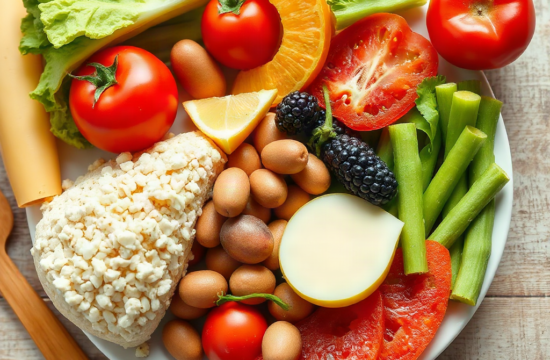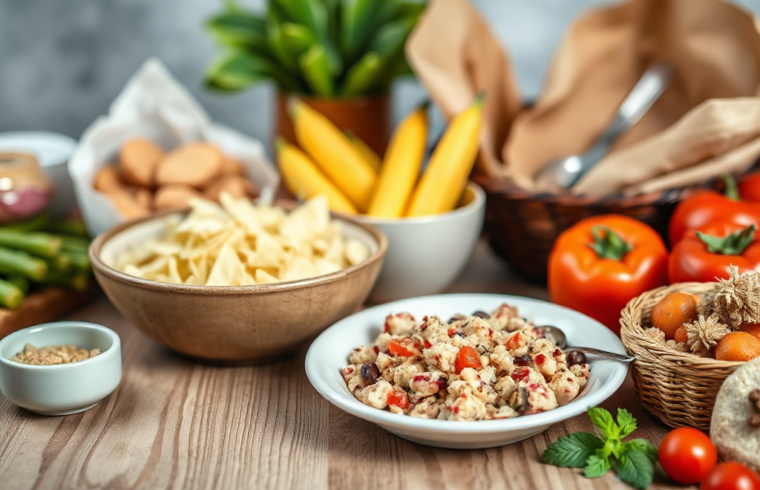
Creating a balanced diet on a budget involves planning meals that incorporate a variety of nutrient-dense foods while minimizing costs. Focus on purchasing whole grains, legumes, seasonal fruits, and vegetables, which are often more affordable and nutritious. Meal planning and cooking in bulk can further reduce expenses, alongside utilizing sales and discounts to maximize your budget. Avoid processed foods, which tend to be pricier and less healthy, and prioritize fresh, whole ingredients for better health outcomes.
Understanding a Balanced Diet
A balanced diet consists of a variety of foods that provide the nutrients your body needs to function effectively. It is essential to include carbohydrates, proteins, fats, vitamins, and minerals in appropriate proportions. The significance of a balanced diet lies in its ability to support overall health, prevent chronic diseases, and maintain energy levels. The key components include fruits and vegetables, whole grains, lean proteins, and healthy fats.
When creating a balanced diet, focus on portion sizes and the diversity of foods consumed. This diversity ensures that you receive a broad spectrum of nutrients. A common mistake individuals make is relying heavily on processed foods, which can lead to deficiencies and health issues over time. Instead, prioritize whole foods that offer greater nutritional value.
Cost-Effective Food Choices
Choosing cost-effective foods is crucial when aiming to maintain a balanced diet on a budget. Start by incorporating staple foods like grains, legumes, and seasonal produce. Whole grains such as brown rice, quinoa, and oats are not only nutritious but also filling and affordable. Legumes, including beans, lentils, and chickpeas, provide excellent protein sources at a low cost.
Seasonal fruits and vegetables tend to be cheaper and fresher. For instance, buying local produce during peak harvest seasons can significantly reduce grocery bills. Frozen fruits and vegetables are also a practical option, offering similar nutritional benefits at a lower price compared to fresh produce that may spoil quickly.
Another strategy is to compare prices between brands and store types, including discount stores and farmer’s markets. This practice helps identify the best deals while ensuring quality. Avoiding impulse buys and sticking to a shopping list can further enhance your budgeting efforts.
Meal Planning on a Budget
Meal planning is an effective strategy for creating a balanced diet on a budget. Begin by setting aside time each week to plan meals that utilize similar ingredients, which helps minimize waste and save money. For example, if you buy a large bag of spinach, plan to use it in salads, omelets, and smoothies throughout the week.
Creating a weekly menu not only helps streamline grocery shopping but also encourages more home-cooked meals. Cooking in batches allows you to prepare larger quantities of food, which can be frozen for later use, reducing the temptation to order takeout.
Incorporate versatile recipes that can adapt to different ingredients based on availability and price. This flexibility allows you to take advantage of sales and seasonal items, ensuring that your meals remain nutritious and budget-friendly.
Cooking Tips for Budget-Friendly Meals
Cooking at home is one of the most effective ways to maintain a balanced diet while saving money. Start by learning basic cooking techniques that can help you prepare meals from scratch, avoiding costly pre-packaged options. Simple skills like chopping vegetables, boiling grains, and sautéing proteins can empower you to create a variety of dishes.
Using herbs and spices can enhance the flavor of your meals without adding significant costs. Instead of relying on expensive sauces and marinades, experiment with fresh herbs or dried spices to elevate simple dishes. Additionally, consider one-pot meals that combine multiple food groups, offering a balanced plate without the need for complex recipes.
Be mindful of portion sizes when serving meals to avoid overeating and wasting food. Leftovers can be repurposed into new meals, such as transforming roasted vegetables into a soup or stir-fry. This not only saves money but also reduces food waste, making your cooking efforts even more sustainable.
Support Your Weight Loss Goals
Huge Discount on the Best Certified Organic Nutrient Dense Supplement!
For more insights on maintaining a balanced diet within budget constraints, consider checking local government resources or health organizations that provide guidelines and tips on nutrition and meal planning. Websites such as the USDA offer valuable information on food choices, budgeting, and recipes that can help streamline your efforts.
Frequently Asked Questions
What are the key components of a balanced diet?
A balanced diet includes carbohydrates, proteins, healthy fats, vitamins, and minerals, focusing on a variety of whole foods.
How can I save money while grocery shopping?
To save money, plan meals, buy seasonal produce, compare prices, and avoid impulse purchases.
What are some affordable protein sources?
Legumes, beans, eggs, and canned fish are affordable protein sources that fit well into a balanced diet.
How can I meal prep on a budget?
Plan meals around similar ingredients, cook in batches, and utilize leftovers creatively to save time and money.
Are frozen fruits and vegetables healthy?
Yes, frozen fruits and vegetables retain their nutritional value and can be more affordable than fresh produce.
Conclusion
Maintaining a balanced diet on a budget requires thoughtful planning and smart shopping strategies. By focusing on whole foods, meal prepping, and utilizing cost-effective ingredients, you can achieve a nutritious diet without overspending. Remember to remain flexible with your meal choices based on seasonal availability and sales. This approach not only supports your health but also promotes sustainable eating habits.
Support Your Weight Loss Goals
HUGE DISCOUNT ON THE BEST CERTIFIED ORGANIC NUTRIENT DENSE SUPPLEMENT!
Related Content
- How To Start A Diet And Be Successful
- 10 Effective Low Carb Meal Ideas 2025: The Ultimate Guide to Healthy Eating
- The Power of Your Choices: A Message for Health and Wellness
- The Best Diet for Your Body Type: Discover What Works for You
- The Ultimate 2025 Guide to keto diet for beginners: 10 Effective Tips to Succeed