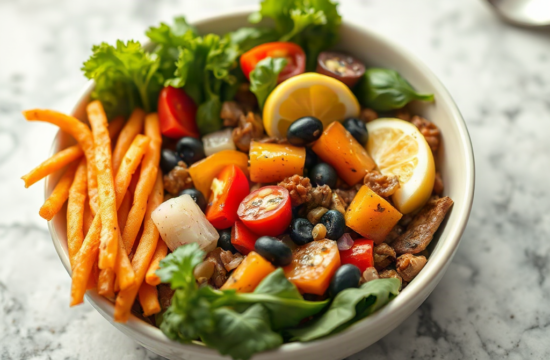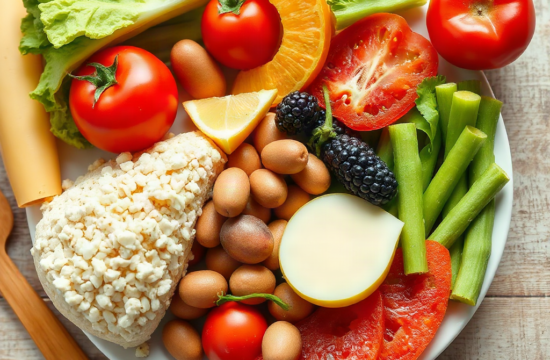

Understanding the psychological barriers that lead to overthinking meals is crucial. Many people fall into the trap of perfectionism, which can lead to anxiety around eating. Instead, aim for balance and flexibility in your diet. Prioritize nutrient-dense foods like fruits, vegetables, whole grains, and lean proteins. These foods not only help you feel full but also provide the essential nutrients your body needs. Additionally, keeping a consistent eating schedule can help regulate your appetite and reduce the urge to overthink each meal.
A common mistake is to overcomplicate meal choices by adhering strictly to diet trends or overly rigid meal plans. Instead, embrace a more intuitive approach to eating where you allow yourself the freedom to enjoy a variety of foods in moderation. This helps to alleviate the mental burden of food choices, making it easier to maintain a healthy lifestyle over time.
Understanding Portion Control
Portion control is a fundamental aspect of losing weight without overthinking meals. By being mindful of serving sizes, you can enjoy your favorite foods without the guilt that often comes from overeating. One effective method is to use smaller plates or bowls, which can visually trick your brain into thinking you’re consuming more than you actually are.
Moreover, learning to gauge your hunger levels before and after meals can help you establish a better understanding of how much food you truly need. It’s important to listen to your body’s signals and eat until you are satisfied, not stuffed. This practice can help prevent overeating and contribute to a more balanced diet.
Many people overlook the importance of recognizing emotional triggers for overeating. Stress, boredom, or social pressures can lead to mindless eating. By identifying these triggers and developing alternative coping strategies, such as engaging in physical activity or practicing relaxation techniques, you can reduce the likelihood of emotional eating.
Incorporating Nutrient-Dense Foods
Focusing on nutrient-dense foods is crucial for weight loss without the need for constant meal scrutiny. Foods rich in vitamins, minerals, and fiber can help you feel fuller longer and provide the energy needed for daily activities. Incorporate a variety of colorful fruits and vegetables, whole grains, and lean proteins into your meals.
Additionally, meal prepping can simplify this process. Preparing meals in advance allows you to make healthier choices without having to think about what to eat on the spot. Choose recipes that are easy to prepare and store, ensuring you have nutritious options readily available throughout the week.
It’s also helpful to experiment with new recipes and cooking methods to keep your meals interesting. Trying different cuisines or cooking techniques can make healthy eating feel less monotonous and more enjoyable, reducing the urge to overthink your choices.
Mindful Eating Practices
Mindful eating is about being present during meals and paying attention to the experience of eating. This practice can help you appreciate your food more and recognize when you are full. Start by minimizing distractions during meals, such as turning off the TV or putting away your phone.
Chewing slowly and savoring each bite can significantly enhance your enjoyment of food and help you notice your body’s hunger and fullness cues. By doing this, you are less likely to overeat, as you give your body the time it needs to signal when it’s had enough.
Another aspect of mindful eating is reflecting on the choices you make. Consider how certain foods make you feel physically and emotionally. This can guide you toward healthier choices that align with your weight loss goals without the need for constant overthinking.
Establishing a Consistent Routine
Creating a consistent eating routine can greatly reduce the mental load of meal planning. Set regular meal times and stick to them as closely as possible. This helps regulate your metabolism and can make it easier to manage hunger levels throughout the day.
Support Your Weight Loss Goals
Huge Discount on the Best Certified Organic Nutrient Dense Supplement!
Incorporate variety into your routine by planning different meals each week. This not only keeps things interesting but also ensures you’re getting a wide range of nutrients. Additionally, consider keeping a food diary to track what works for you and what doesn’t, helping you refine your approach over time.
Remember that flexibility is key. If you miss a meal or indulge occasionally, it’s important not to dwell on it. Weight loss is a journey, and maintaining a positive mindset will help you stay on track without overthinking every meal.
Further Reading
Authoritative Sources
- ChooseMyPlate.gov
choosemyplate.govThis resource provides guidelines on balanced eating and portion sizes to help with weight management
- EatRight.org
eatright.orgOffers nutrition advice from registered dietitians, focusing on healthy eating habits
- National Institutes of Health
ncbi.nlm.nih.govnih.govA reliable source for research and articles on weight loss and nutrition
- CDC Nutrition
cdc.govProvides information on healthy eating and physical activity guidelines
Frequently Asked Questions
What are some easy meal ideas for weight loss?
Consider salads with lean proteins, stir-fried vegetables with tofu, or whole grain wraps filled with veggies and hummus.
How can I avoid emotional eating?
Identify triggers, establish alternative coping mechanisms, and practice mindfulness to stay aware of your eating habits.
Is it necessary to count calories for weight loss?
While counting calories can be helpful, focusing on portion control and nutrient-dense foods is often more sustainable.
How can I make healthy eating more enjoyable?
Experiment with new recipes, cook with friends, and try different cuisines to keep meals interesting.
What role does hydration play in weight loss?
Staying hydrated helps control hunger and can prevent mistaking thirst for hunger, supporting your weight loss efforts.
Conclusion
Ultimately, losing weight without overthinking every meal requires a balanced approach that prioritizes portion control, nutrient-dense foods, and mindful eating. By establishing a consistent routine and being aware of emotional triggers, you can simplify your eating habits and make healthier choices. Focus on enjoying your food and listening to your body, and you’ll find that maintaining a healthy weight becomes more manageable and less stressful.
Support Your Weight Loss Goals
Huge Discount on the Best Certified Organic Nutrient Dense Supplement!
Related Content
- Shed Your Weight By Using These Tips
- The Psychological Effects of Dieting
- How to Prioritize Self-Care During Weight Loss: Essential Methods and Mindset Shifts
- The Ultimate Guide to Healthy Dieting: Tips and Tricks for Success
- Why Meal Timing Matters for Fat Loss: Understanding Timing Strategies for Optimal Results