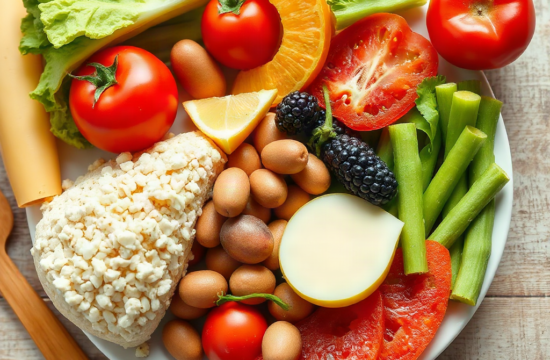
To adjust your diet for hormonal changes, focus on incorporating nutrient-dense foods, managing meal timing, and understanding your body's signals. Consuming a balanced mix of proteins, healthy fats, and complex carbohydrates can help stabilize hormone levels. Additionally, being mindful of stress and sleep can enhance your dietary efforts, as these factors significantly influence hormonal balance. Tracking your body's responses to different foods can also provide insights for better adjustments.
Understanding Hormonal Changes
Hormonal changes can have a significant impact on various aspects of health, including metabolism, mood, and overall well-being. These fluctuations can occur due to various factors, including age, stress, and lifestyle choices. Recognizing how these hormonal shifts affect your body is crucial for making informed dietary adjustments. For instance, women may experience hormonal changes during menstrual cycles, pregnancy, or menopause, while men may encounter shifts related to aging or stress levels. Understanding these changes helps in tailoring dietary strategies that promote balance and well-being.
When hormones fluctuate, they can influence appetite, cravings, and energy levels. For example, during the luteal phase of the menstrual cycle, many women experience cravings for carbohydrates, which can lead to unhealthy eating patterns. Addressing these cravings with healthier options can help mitigate the negative effects of hormonal changes.
Key Nutrients for Hormonal Balance
Incorporating specific nutrients into your diet can support hormonal balance effectively. Key nutrients include omega-3 fatty acids, magnesium, zinc, and vitamin D. Omega-3s, found in fatty fish, flaxseeds, and walnuts, are known for their anti-inflammatory properties and can help regulate hormone production. Magnesium, present in leafy greens, nuts, and seeds, plays a role in over 300 enzymatic reactions in the body, including those related to hormone synthesis.
Zinc is essential for testosterone production and immune function, making it crucial for both men and women. Foods rich in zinc include shellfish, legumes, seeds, and whole grains. Lastly, vitamin D, often obtained from sunlight but also found in fortified foods and fatty fish, supports overall hormonal health and mood regulation. Ensuring adequate intake of these nutrients can significantly impact your body’s hormonal responses.
Meal Timing and Its Impact
Meal timing is another critical factor in managing hormonal changes. Eating at regular intervals can help maintain stable blood sugar levels, which is essential for hormone regulation. Skipping meals or prolonged fasting can lead to spikes and drops in insulin levels, potentially exacerbating hormonal imbalances. Aim to consume balanced meals every 3-5 hours, including a mix of protein, healthy fats, and complex carbohydrates.
Additionally, some studies suggest that meal timing can influence circadian rhythms and hormonal responses. Consuming the majority of your calories earlier in the day may help regulate insulin sensitivity and improve metabolic health. Experimenting with meal timing and observing how your body reacts can provide valuable insights into your dietary needs during hormonal fluctuations.
Support Your Weight Loss Goals
Huge Discount on the Best Certified Organic Nutrient Dense Supplement!
Tracking Your Diet
Keeping a food diary can be a powerful tool in understanding how your diet affects your hormonal health. Tracking what you eat, along with your mood and energy levels, can help identify patterns and triggers related to hormonal changes. This awareness allows you to make informed choices about which foods to incorporate or avoid.
Consider using apps or journals to log your meals, noting any cravings, energy dips, or mood swings. Over time, this data can help you refine your diet to better suit your hormonal needs. You may discover that certain foods exacerbate symptoms, while others provide relief. By adopting a proactive approach to tracking, you can create a tailored dietary plan that supports your hormonal health.
Conclusion
Adjusting your diet for hormonal changes involves understanding the underlying mechanisms, incorporating key nutrients, managing meal timing, and tracking your dietary habits. By focusing on nutrient-dense foods and being mindful of how your body responds to different dietary strategies, you can better navigate the challenges posed by hormonal fluctuations. Start by assessing your current diet, identifying areas for improvement, and making gradual adjustments to support your hormonal health effectively.
Further Reading
Support Your Weight Loss Goals
HUGE DISCOUNT ON THE BEST CERTIFIED ORGANIC NUTRIENT DENSE SUPPLEMENT!
Related Content
- Why Diets Fail (and How You Can Succeed): The Science Behind Weight Loss
- How To Lose Weight Without Starving Yourself
- 5 Common Mistakes People Make When Trying to Lose Weight (And How to Avoid Them
- The Importance of Setting Short-Term Goals: Achieving Milestones for Long-Term Success
- Unlocking the Secrets of Natural Weight Loss