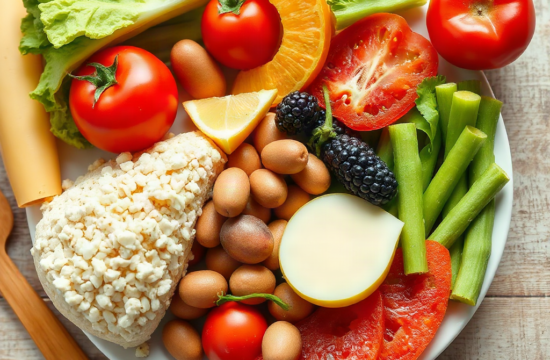
To create a flexible meal plan, start by identifying your dietary goals and preferred foods, then develop a weekly schedule that allows for variability. Incorporate a range of proteins, vegetables, and healthy fats, ensuring you have options for different days based on your schedule. Avoid rigid structures that may lead to frustration; instead, focus on a balanced approach that accommodates changes while keeping you aligned with your health objectives.
Understanding the Basics of Flexible Meal Planning
Flexible meal planning is an approach that allows you to prepare meals in advance while accommodating your changing schedule and dietary needs. This method encourages variety and adaptability, ensuring that you can enjoy your meals without feeling restricted. By focusing on a core set of ingredients and recipes, you can create a nutritious and satisfying meal plan that fits your lifestyle.
The essence of flexible meal planning lies in its ability to adapt to your day-to-day life. For instance, if you have a busy day ahead, you can prepare meals in advance or choose simpler recipes that require less time to cook. This adaptability helps prevent the common pitfalls of rigid diets, such as burnout or feelings of deprivation.
Key Components of a Flexible Meal Plan
When creating a flexible meal plan, several key components should be considered to ensure it meets your dietary preferences and needs. Firstly, focus on incorporating a variety of food groups, including lean proteins, whole grains, fruits, vegetables, and healthy fats. This variety not only enhances nutritional intake but also keeps meals interesting.
Secondly, consider your cooking methods. Opt for techniques that allow for batch cooking and easy reheating, such as roasting, grilling, or slow cooking. These methods can save time and effort during busy weeks. Additionally, having a list of go-to recipes that can be easily modified based on available ingredients can make meal preparation more efficient.
To wrap up, embrace the concept of leftovers. Planning for and utilizing leftovers can reduce food waste and save time. For example, if you roast a chicken for dinner, consider using the leftovers in salads or sandwiches for lunch the next day.
Creating Your Weekly Meal Schedule
Creating a weekly meal schedule is a crucial step in implementing a flexible meal plan. Begin by reviewing your calendar to identify busy days and times when you may have more flexibility to cook. This information will guide your meal choices and preparation times.
Start by selecting a few key recipes for the week that can be easily rotated. For example, if you enjoy stir-fries, plan to make a different stir-fry each week using various proteins and vegetables. This not only keeps meals exciting but also allows you to utilize seasonal produce effectively.
Consider setting aside specific times during the week for meal prep, such as Sunday afternoons. During this time, you can chop vegetables, marinate proteins, and cook staples like grains or legumes that can be used throughout the week. Having these components ready will make assembling meals quicker and more convenient.
Common Mistakes to Avoid
One common mistake when creating a flexible meal plan is being overly rigid with your choices. While it’s important to have a plan, allow for spontaneity and changes. If you find that you’re not in the mood for a planned meal, it’s okay to swap it out for something else. Flexibility is key to maintaining a sustainable meal planning approach.
Another mistake is failing to account for leftovers and how they can be integrated into the meal plan. Many people overlook the potential of repurposing meals, which can save time and reduce food waste. Always think ahead about how you can use leftovers creatively in new meals.
Support Your Weight Loss Goals
Huge Discount on the Best Certified Organic Nutrient Dense Supplement!
Lastly, be cautious of overcomplicating your recipes. Simple meals can be just as satisfying and nutritious as complex ones. Focus on balance and variety rather than elaborate preparation, which can lead to frustration and burnout.
Frequently Asked Questions
What are the benefits of a flexible meal plan?
A flexible meal plan allows for variety, reduces stress in meal preparation, and accommodates changing schedules, making it easier to maintain healthy eating habits.
How can I ensure variety in my meal plan?
Incorporate different proteins, vegetables, and grains each week, and try new recipes or cooking methods to keep meals interesting.
Can I meal prep for the whole week?
Yes, meal prepping for the entire week can save time and ensure you have healthy options available, but be sure to store meals properly to maintain freshness.
What should I do if I get bored with my meal plan?
Switch up your recipes, try new ingredients, or involve family members in meal planning to discover new favorites and maintain excitement.
Is flexible meal planning suitable for everyone?
Yes, flexible meal planning can be tailored to fit various dietary preferences and lifestyles, making it accessible for most individuals.
Conclusion
Creating a flexible meal plan is essential for maintaining a healthy diet that adapts to your lifestyle. Focus on variety, batch cooking, and the smart use of leftovers to make meal preparation more efficient and enjoyable. By avoiding rigidity and embracing adaptability, you can cultivate sustainable eating habits that fit seamlessly into your life.
Support Your Weight Loss Goals
HUGE DISCOUNT ON THE BEST CERTIFIED ORGANIC NUTRIENT DENSE SUPPLEMENT!
Related Content
- Avoid Keto Diet Mistakes: Essential Tips to Stay on Track and Achieve Your Best Results
- Why Natural Weight Loss Works: Unlocking Sustainable, Healthy Transformations Without Extremes
- Shed Excess Pounds With These Great Ideas
- The Ultimate Guide to Successful Dieting
- Difference Between Fat Loss and Water Weight Changes: Key Indicators and What They Mean