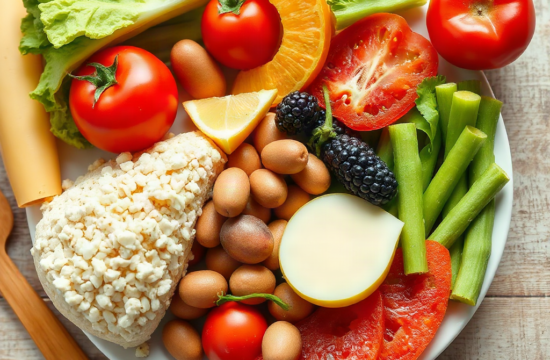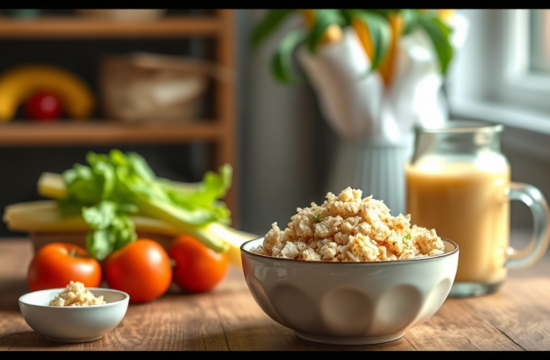
To choose the right diet for your lifestyle, assess your daily routine, food preferences, and health goals. Consider diets that fit your schedule, such as meal prepping for busy weeks or selecting a plan that emphasizes whole foods if you prefer cooking. It's important to avoid common pitfalls like adopting overly restrictive diets that lead to frustration or burnout. Instead, opt for a balanced approach that incorporates a variety of foods you enjoy, ensuring sustainability and long-term success.
Assessing Your Lifestyle and Goals
The first step in choosing the right diet for your lifestyle is to assess your daily routine and personal health goals. Consider factors such as your work schedule, family commitments, and social activities. For example, if you have a demanding job with long hours, a meal-prep approach might be beneficial. This involves preparing meals in advance to save time during busy weekdays. Understanding your health goals is equally important; whether you aim to lose weight, build muscle, or improve overall health, your diet should align with these objectives.
Additionally, reflect on your food preferences and any dietary restrictions you may have. For instance, if you are vegetarian or have food allergies, these factors will significantly influence your dietary choices. The key is to select a diet that is not only effective in achieving your goals but is also enjoyable and sustainable in the long run.
Understanding Different Diet Types
There are numerous diet types available, each with its unique approach and set of guidelines. Some popular diets include the Mediterranean diet, which emphasizes whole foods like fruits, vegetables, whole grains, and healthy fats; the ketogenic diet, which focuses on high fats and low carbohydrates; and the paleo diet, which promotes eating foods presumed to be available to our ancestors, such as lean meats, fish, fruits, and vegetables.
Choosing a diet that aligns with your lifestyle requires understanding how each diet works and what foods are included. For example, the Mediterranean diet is often considered more sustainable due to its flexibility and variety, making it easier for most individuals to stick with over time. On the other hand, the ketogenic diet may be effective for rapid weight loss but can be challenging to maintain due to its restrictive nature.
Common Pitfalls and How to Avoid Them
When selecting a diet, it is crucial to be aware of common pitfalls that can derail your efforts. One major mistake is opting for overly restrictive diets that eliminate entire food groups. This can lead to nutritional deficiencies, cravings, and ultimately, diet abandonment. Instead, aim for a balanced approach that allows for flexibility and moderation.
Another common issue is the tendency to follow trends or popular diets without considering personal compatibility. Just because a diet works for someone else does not mean it will work for you. Take the time to evaluate how a diet fits your lifestyle, preferences, and health needs. Consulting with a registered dietitian can also provide insights tailored to your specific situation, helping you avoid these pitfalls.
Practical Steps for Implementation
Implementing your chosen diet requires practical strategies that fit seamlessly into your daily life. Start by setting realistic goals and making gradual changes rather than overhauling your entire eating pattern overnight. For example, if you’re transitioning to a plant-based diet, begin by incorporating more vegetables into your meals while slowly reducing meat intake.
Meal planning is another effective strategy. Set aside time each week to plan your meals and snacks, ensuring they align with your dietary choices. This not only saves time but also helps you avoid impulsive eating decisions. Additionally, consider keeping a food journal to track what you eat and how it makes you feel, which can provide valuable insights into your dietary habits.
Support Your Weight Loss Goals
Huge Discount on the Best Certified Organic Nutrient Dense Supplement!
Frequently Asked Questions
What is the best diet for weight loss?
The best diet for weight loss is one that creates a caloric deficit while being enjoyable and sustainable. Popular options include the Mediterranean and low-carb diets.
How do I know if a diet is right for me?
A diet is right for you if it aligns with your health goals, fits your lifestyle, and includes foods you enjoy. Personal preferences and nutritional needs should guide your choice.
Can I combine different diets?
Yes, combining elements from different diets can be effective, but ensure that the overall plan remains balanced and meets your nutritional needs.
What should I avoid when choosing a diet?
Avoid diets that are overly restrictive or eliminate entire food groups, as they can lead to nutritional deficiencies and are often unsustainable.
How can I stay motivated while dieting?
Staying motivated can be achieved through setting small, achievable goals, tracking your progress, and finding support from friends or online communities who share similar goals.
Further Reading
Support Your Weight Loss Goals
HUGE DISCOUNT ON THE BEST CERTIFIED ORGANIC NUTRIENT DENSE SUPPLEMENT!
Related Content
Further Reading
Authoritative Sources
- USDA FoodData Central
fdc.nal.usda.govOfficial food composition and nutrient data.
- NIH Office of Dietary Supplements
ods.od.nih.govEvidence-based fact sheets about vitamins, minerals, supplements, and nutrition.
- CDC Nutrition
cdc.govOfficial public-health nutrition guidance and data.
- MedlinePlus Health Information
medlineplus.govConsumer health information from the U.S. National Library of Medicine.