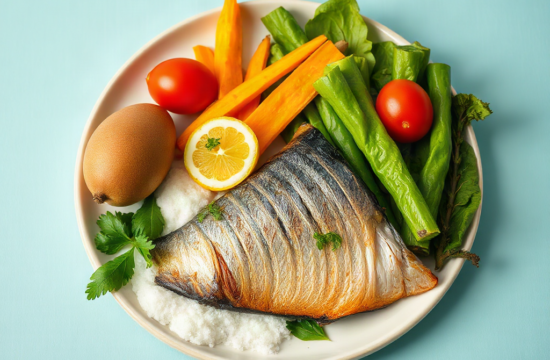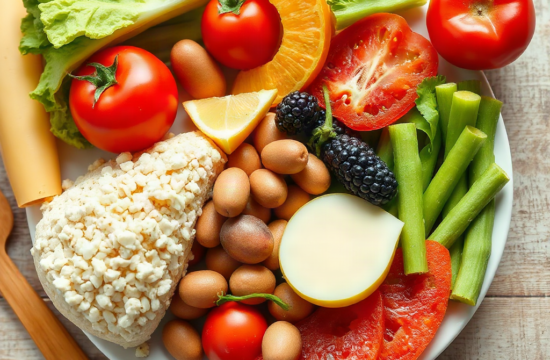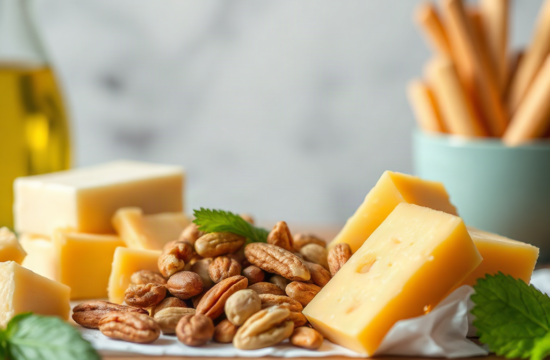
To deal with cravings effectively, incorporate mindful eating practices, keep healthy snacks on hand, and stay hydrated. Understanding the triggers behind cravings can help you manage them better. For instance, stress often leads to cravings for comfort foods, so finding alternative stress relief methods is crucial. Additionally, balancing your meals with protein and fiber can help stabilize blood sugar levels, reducing the likelihood of intense cravings.
Understanding Cravings: What They Are and Why They Occur
Cravings are intense desires for specific foods, often driven by emotional, psychological, or physiological factors. Recognizing why cravings occur is the first step in managing them effectively. They can stem from various sources, including hormonal changes, stress, and even boredom. For example, stress can trigger cravings for high-calorie comfort foods due to the release of the hormone cortisol, which can increase appetite.
Understanding the underlying mechanisms of cravings can empower individuals to make conscious choices rather than succumbing to impulsive eating. Often, cravings are short-lived and can be managed with the right strategies. A common misconception is that cravings indicate a lack of willpower, but they are a natural part of eating behavior.
Mindful Eating Practices to Combat Cravings
Mindful eating involves paying full attention to the experience of eating and drinking, both inside and outside the body. This practice can help identify true hunger signals versus emotional triggers. One effective strategy is to pause before eating and assess whether you are truly hungry or just craving something due to stress or habit.
To enhance mindful eating, consider the following techniques:
- Slow Down: Take your time to chew food thoroughly and savor each bite. This practice can help you recognize when you are full.
- Eliminate Distractions: Avoid eating while watching TV or scrolling through your phone. Focus solely on the meal to better understand your cravings.
- Keep a Food Journal: Documenting what you eat and how you feel can help identify patterns in your cravings and eating habits.
These practices can help create a healthier relationship with food, making it easier to deal with cravings when they arise.
Healthy Snack Alternatives to Manage Cravings
Having healthy snacks readily available can significantly reduce the chances of giving in to cravings. When a craving strikes, opting for nutritious alternatives can satisfy your hunger without the guilt associated with indulgent treats. High-protein and high-fiber snacks are particularly effective for maintaining satiety.
Some healthy snack options include:
- Greek Yogurt: Packed with protein and probiotics, Greek yogurt can curb cravings and support digestive health.
- Fresh Fruits and Vegetables: These are rich in vitamins, minerals, and fiber, making them an excellent choice for snacking.
- Nuts and Seeds: A small handful can provide healthy fats and protein, keeping you full longer.
- Whole Grain Crackers: Pairing them with hummus or avocado can create a satisfying and nutritious snack.
Choosing these alternatives not only helps in managing cravings but also contributes to overall health and well-being.
The Role of Hydration in Curbing Cravings
Staying hydrated is crucial for managing cravings effectively. Often, feelings of hunger can actually be symptoms of dehydration. Drinking water regularly can help differentiate between true hunger and thirst.
A practical approach is to drink a glass of water before reaching for a snack. If the craving persists after 20 minutes, it may be genuine hunger. Additionally, incorporating hydrating foods like cucumbers, watermelon, and leafy greens into your diet can provide essential nutrients while keeping you hydrated.
Support Your Weight Loss Goals
Huge Discount on the Best Certified Organic Nutrient Dense Supplement!
It’s essential to prioritize hydration not only for its role in managing cravings but also for overall health. Aim for at least 8 cups of water a day, adjusting based on activity level and climate.
Frequently Asked Questions
What causes food cravings?
Food cravings can be caused by a variety of factors including hormonal changes, emotional states, and environmental cues. Stress and fatigue often trigger cravings for comfort foods.
How can I prevent cravings?
Preventing cravings involves maintaining a balanced diet, staying hydrated, and managing stress through healthy coping mechanisms like exercise or meditation.
Are cravings a sign of nutritional deficiency?
Sometimes, cravings can indicate a nutritional deficiency, particularly if they are specific to certain foods. For example, a craving for chocolate may suggest a need for magnesium.
How long do cravings usually last?
Cravings typically last about 20 minutes but can feel intense. Engaging in a different activity or drinking water can help alleviate them.
Is it okay to indulge in cravings?
Occasional indulgence is fine, but moderation is key. Allowing yourself to enjoy a treat can reduce feelings of deprivation, which may help manage cravings long-term.
Conclusion
Effectively dealing with cravings involves understanding their triggers, practicing mindful eating, and having healthy alternatives on hand. By staying hydrated and aware of your body’s signals, you can manage cravings without resorting to unhealthy choices. Remember, it’s about balance and making informed decisions that support your overall well-being. Implement these strategies into your daily routine to gain better control over your cravings and foster a healthier relationship with food.
Support Your Weight Loss Goals
HUGE DISCOUNT ON THE BEST CERTIFIED ORGANIC NUTRIENT DENSE SUPPLEMENT!
Related Content
- Creative Weight Loss Is Just A Few Great Tips Away!
- 10 Effective Strategies for weight loss with smoothies (2025 Guide)
- The Ultimate Guide to Healthy Dieting: Tips and Tricks for Success
- The Essential Guide to Keto Diet for Women
- Achieve Lasting Results: How to Lose Weight Without Crash Dieting for a Healthier You