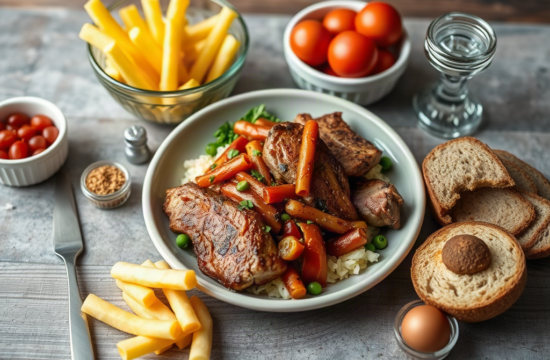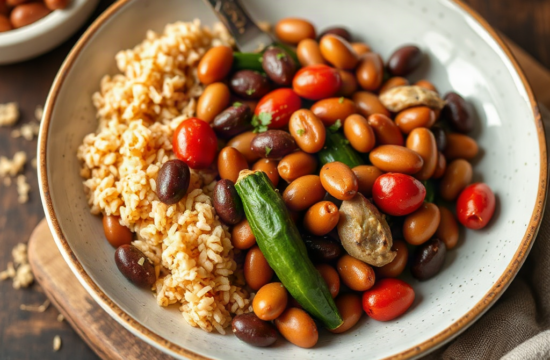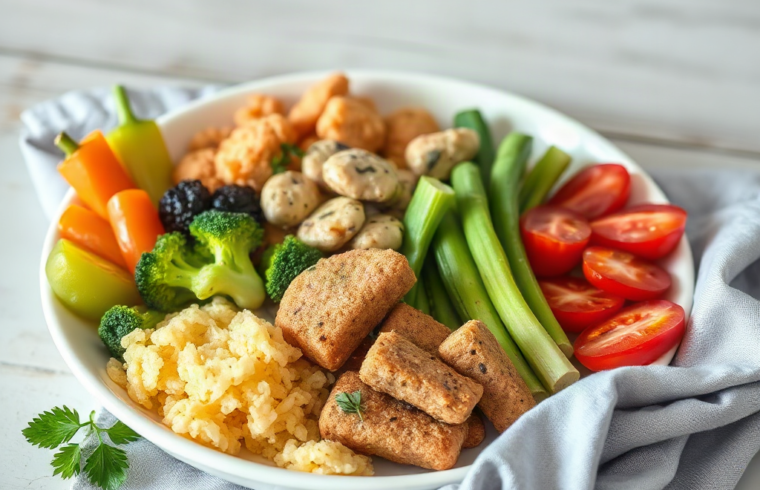
A gluten-free weight loss plan can remain flexible by creating a modest calorie deficit with satisfying portions of protein, fiber-rich produce, naturally gluten-free starches, and measured fats rather than banning entire food groups. Gluten must be avoided strictly when medically necessary, but removing it does not automatically reduce calories or improve body composition. Build meals around foods such as eggs, fish, beans, potatoes, rice, fruit, and vegetables while comparing packaged substitutes for calories, added sugar, fiber, and serving size. Track hunger, energy, digestive symptoms, and weight trends, then adjust portions before cutting more foods or adopting rules that make social eating and nutritional adequacy harder.
Separate Gluten Avoidance From Calorie Control
Gluten avoidance and fat loss solve different problems. A medically necessary gluten-free diet removes proteins found in wheat, barley, and rye, including ingredients derived from those grains unless they meet applicable gluten-free standards. Weight reduction, by contrast, generally requires energy intake to remain below energy use over time. Combining the two goals is possible, but treating “gluten-free” as a weight-loss mechanism often leads to misplaced confidence in portions and packaged substitutes.
Someone may replace two slices of wheat bread with a large gluten-free bagel, snack on gluten-free cookies, and serve extra cheese because the meal appears compliant. The food may be free from gluten while still supplying more energy than expected. The opposite mistake is removing bread, pasta, cereal, sauces, and restaurant meals without replacing their nutrients or convenience. That approach can produce intense hunger, low fiber intake, and a plan that collapses during busy weeks.
The degree of gluten restriction should match the reason for following the diet. People with celiac disease need lifelong medical guidance and careful avoidance of gluten, including attention to cross-contact. Those with a diagnosed wheat allergy or another clinician-assessed condition may have different avoidance requirements. A person who has removed gluten without a diagnosis should not assume every symptom confirms an intolerance; digestive complaints can have several causes, and testing for celiac disease may be less informative after gluten has already been eliminated. A qualified clinician or registered dietitian can help clarify the appropriate next step.
For weight management, begin by reviewing meal composition and portions rather than creating a longer forbidden-food list. Keep a brief record of meals, snacks, drinks, hunger, and circumstances for several ordinary days. Look for repeatable sources of excess energy: unmeasured oils, oversized snack portions, sweetened drinks, frequent grazing, or restaurant meals that combine large servings of starch and fat. This makes Gluten-free weight loss plans without unnecessary restriction more precise: gluten safety remains nonnegotiable when required, while calorie adjustments target the foods and portions that actually affect progress.
A workable first change might be serving grilled chicken, vegetables, and a fist-sized portion of rice instead of eliminating rice altogether. Another might be keeping a favorite gluten-free dessert twice a week in a planned portion rather than labeling it forbidden and later overeating it. The useful comparison is not strict versus undisciplined; it is targeted structure versus restrictions that do not address the reason progress has stalled.
Build Filling Meals From Naturally Gluten-Free Foods
Naturally gluten-free staples usually provide better nutritional and budget value than relying on specialty replacements at every meal. Eggs, plain dairy products, fish, poultry, lean meat, tofu, beans, lentils, fruit, vegetables, potatoes, rice, quinoa, buckwheat, corn, nuts, and seeds can form the foundation. Oats require special attention because ordinary oats may encounter gluten during production; people who need strict avoidance should select oats specifically labeled gluten-free and discuss tolerance with their care team.
A practical plate starts with a meaningful protein serving, adds abundant non-starchy vegetables or fruit, includes a portion of gluten-free carbohydrate, and uses fat deliberately. Protein and fiber tend to make a reduced-calorie meal more satisfying, while carbohydrates supply useful energy and make the diet easier to sustain. Fat contributes flavor but is energy-dense, so pouring oil freely or eating nuts directly from a large package can erase the calorie reduction created elsewhere.
Breakfast could be plain Greek yogurt with berries, certified gluten-free oats, and a spoonful of seeds. Lunch might pair lentil soup with a side salad and fruit, provided the broth and seasonings are verified. Dinner could include baked salmon, roasted broccoli, and potatoes. These meals retain dairy, legumes, whole-food starches, and fruit rather than combining gluten avoidance with unnecessary low-carbohydrate, sugar-free, or dairy-free rules.
Use the following meal-building checklist before changing the menu further:
- Protein: Include eggs, fish, poultry, tofu, beans, lentils, or plain yogurt in an amount that makes the meal substantial.
- Produce: Add vegetables, fruit, or both for volume, fiber, and micronutrients.
- Starch: Choose potatoes, rice, corn, quinoa, buckwheat, or certified gluten-free oats in a portion suited to hunger and activity.
- Fat and flavor: Measure oils, dressings, nuts, cheese, and creamy sauces rather than omitting them automatically.
- Gluten check: Verify sauces, broths, spice blends, processed meats, and cross-contact risks when strict avoidance is required.
Convenience still matters. Frozen vegetables, microwaveable plain rice, canned beans, tuna, pre-cooked eggs, and rotisserie chicken with verified ingredients can prevent an exhausting workday from ending in an unplanned takeout order. The common failure is designing an ideal menu that demands fresh cooking three times daily. A better plan contains two or three quick meals that fit the person’s budget, kitchen access, medical needs, and schedule.
Choose Packaged Substitutes Without a Calorie Trap
A gluten-free label describes gluten content under labeling rules; it does not certify that a product is lower in calories, higher in fiber, or better for weight loss. Breads, crackers, muffins, pizza crusts, and snack bars may use refined rice flour, tapioca starch, potato starch, added fat, or sugar to recreate familiar texture. Some are useful and enjoyable, but their health halo can encourage larger portions than the nutrition label supports.
Compare products serving for serving rather than assuming the gluten-free option is lighter. Check calories, protein, fiber, added sugars, saturated fat, and the number of pieces in one serving. Fiber deserves attention because removing whole-wheat products can reduce intake unless beans, lentils, produce, seeds, and gluten-free whole grains replace them. Protein matters when a substitute is expected to function as a meal rather than a treat. A low-protein breakfast bar, for example, may leave someone hungry well before lunch even if its calorie count looks modest.
Price and usefulness should influence the decision too. A specialty loaf may be worthwhile for packed lunches, while corn tortillas, potatoes, or leftover rice may be less expensive choices at other meals. Gluten-free cookies do not need to be replaced by fruit every time; they can remain an occasional dessert with a portion chosen in advance. The distinction is between using a replacement intentionally and building the entire eating pattern around ultra-processed substitutes.
Label reading also protects people who require strict gluten avoidance. Wheat must be declared as a major allergen in the United States, but barley and rye require ingredient-level attention, and a wheat-free claim does not necessarily mean gluten-free. Malt flavoring, malt vinegar, and brewer’s yeast are examples that can require scrutiny. Restaurant food creates another constraint: a dish can contain no obvious gluten ingredient yet be exposed through shared fryers, grills, utensils, or preparation surfaces. People with celiac disease should ask direct preparation questions rather than relying only on menu symbols.
A useful shopping test is to identify the product’s job. If bread makes lunch portable, select a loaf whose serving fits the meal and pair it with protein and vegetables. If crackers are mainly a distracted evening snack, buying a “healthier” gluten-free version may not address the behavior. Portioning them into a bowl, changing the timing, or choosing a more filling snack may matter more than switching brands. Flexible gluten-free eating keeps convenient products where they add value without mistaking certification for portion control.
Adjust the Plan Without Adding More Restrictions
Progress should be judged from trends and daily function, not a single weigh-in. Body weight can fluctuate with hydration, sodium, carbohydrate intake, digestive contents, and menstrual changes. Use measurements taken under similar conditions and review several weeks together. Also monitor hunger between meals, energy, bowel habits, sleep, training performance, and how often the plan triggers unplanned eating. These signals reveal whether the calorie target and meal structure are livable.
Support Your Weight Loss Goals Huge Discount on the Best Certified Organic Nutrient Dense Supplement!
If weight is not trending downward after a consistent period, check execution before removing another category of food. Portions may have drifted upward, weekends may differ sharply from weekdays, or calorie-containing drinks and cooking fats may be missing from the record. Make one modest adjustment, such as reducing the rice portion slightly at dinner, measuring salad dressing, or replacing one grazing period with a planned protein-and-fruit snack. Keeping the rest of the menu stable makes the result easier to interpret.
If hunger is persistent, concentration worsens, exercise feels unusually difficult, or food thoughts dominate the day, further restriction is the wrong direction. Increase meal volume with vegetables or broth-based soup, strengthen protein at breakfast and lunch, and ensure the plan includes enough carbohydrate for activity. Recurrent dizziness, weakness, gastrointestinal symptoms, nutrient concerns, or a history of disordered eating warrants individualized professional support rather than online calorie experimentation.
Social situations are another test of plan quality. Before a restaurant meal, check the menu and contact the restaurant if cross-contact is a medical concern. Choose a simple combination such as grilled protein, a potato or rice, and vegetables, then ask about marinades, sauces, and shared cooking equipment. A flexible plan can allow a richer meal without compensatory fasting the next day. Returning to ordinary portions is more useful than creating a restrict-overeat cycle.
Signs that Gluten-free weight loss plans without unnecessary restriction are working include a gradual weight trend, manageable hunger, reliable gluten avoidance where medically needed, and meals that remain possible at work and during travel. Warning signs include shrinking food variety, fear of safe foods, repeated overeating after rigid days, constipation from low fiber, or dependence on expensive specialty products. The next adjustment should solve the observed problem: revise portions for a calorie issue, improve meal composition for hunger, or seek clinical advice for symptoms. More rules are not a substitute for a correct diagnosis.
Frequently Asked Questions
Does Going Gluten-Free Automatically Cause Weight Loss?
No. Weight may change if removing gluten also reduces total calorie intake, but gluten-free packaged foods can equal or exceed the calories in comparable products.
Can I Eat Rice and Potatoes on a Gluten-Free Weight Loss Plan?
Yes. Plain rice and potatoes are naturally gluten-free and can fit in portions matched to your appetite, activity, and calorie needs; sauces and seasonings still require checking.
Are Gluten-Free Oats Safe?
People requiring strict avoidance should choose oats labeled gluten-free because ordinary oats may encounter gluten during processing. Some people with celiac disease should also discuss oat tolerance with their clinician.
How Can I Increase Fiber Without Wheat?
Use beans, lentils, berries, vegetables, chia seeds, quinoa, buckwheat, and certified gluten-free oats, increasing fiber gradually while drinking adequate fluid.
When Should I Get Professional Help?
Seek qualified care for suspected celiac disease, persistent digestive symptoms, unexplained nutrient deficiencies, severe restriction, recurrent overeating, or difficulty balancing weight goals with a medically required diet.
Conclusion
Keep the medical requirement and the weight-management method clearly separated. Verify ingredients and cross-contact as strictly as your diagnosis requires, then create the calorie reduction through portions, meal composition, and repeatable routines rather than removing safe foods. Build most meals from protein, produce, naturally gluten-free starches, and measured fats; use specialty products when they provide genuine convenience or enjoyment.
Review several weeks of weight, hunger, energy, symptoms, and eating patterns before revising the plan. If progress stalls, change one identifiable source of excess energy instead of banning another food group. If the menu becomes nutritionally narrow, socially unmanageable, or linked to worsening symptoms or disordered eating, pause further restriction and seek individualized guidance. The most useful next step is a short audit of ordinary meals, followed by one adjustment that can be maintained without compromising gluten safety.