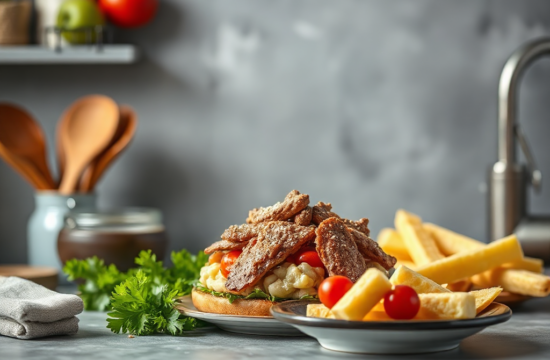
Protein can help preserve muscle during weight loss when daily intake is high enough, meals distribute it well, resistance training provides a muscle-retention signal, and the calorie deficit remains moderate. A commonly used target for active adults dieting is about 1.2–1.6 grams of protein per kilogram of body weight daily, while people who are leaner, resistance-trained, or facing a larger deficit may benefit from discussing a higher intake with a qualified clinician or dietitian. Divide protein across three or four meals rather than concentrating it at dinner. Protein cannot fully offset aggressive calorie restriction, inactivity, poor sleep, or medical conditions that affect nutrition.
A Useful Protein Range for Muscle Retention
A practical starting range for many adults trying to lose body fat while retaining lean tissue is about 1.2–1.6 grams of protein per kilogram of body weight per day. For someone weighing 80 kilograms, that equals roughly 96–128 grams daily. The number is a planning range, not a guarantee: age, training status, body composition, calorie deficit, food preferences, and medical needs all affect the most suitable target.
People with substantial body fat may get an unrealistic result by multiplying a high current body weight by a high protein target. Using a reasonable goal weight or estimated lean mass can be more practical, especially when the calculation produces an amount that is difficult to eat. A registered dietitian can help refine the estimate when body composition, kidney disease, pregnancy, or another health condition changes the nutrition equation.
The lower end may suit a person with a modest deficit and regular meals, while the upper end may be more useful for a lean, resistance-trained person dieting for a demanding goal. Pushing protein higher does not automatically preserve more muscle if total calories become too low, training quality falls, or the diet becomes so restrictive that adherence collapses. The useful target is the highest realistic intake that fits the person’s health needs and overall eating pattern.
A simple priority order helps:
- Choose a sustainable calorie deficit rather than the most aggressive one.
- Set a protein range that can be met consistently.
- Continue resistance training and monitor performance.
- Use carbohydrates and fats to support energy, enjoyment, and nutritional adequacy.
For more context on how protein fits a broader eating pattern, see How much protein helps preserve muscle during weight loss and compare the target with what your meals actually provide.
Why Protein Matters During a Calorie Deficit
Weight loss reduces the energy available to the body, and some of the tissue lost during dieting can come from muscle as well as fat. Protein supplies amino acids used for tissue maintenance and repair. Resistance exercise adds a separate signal telling the body that muscle remains useful. Together, adequate protein and lifting create a stronger muscle-retention environment than either strategy alone.
The calorie deficit still matters. A person eating plenty of protein while losing weight rapidly, sleeping poorly, and reducing training loads may see weaker gym performance and greater difficulty maintaining lean tissue. Conversely, a moderate deficit with adequate protein may be easier to sustain, allowing better training and more stable daily intake. Protein supports the process; it does not cancel out an excessively restrictive plan.
Satiety is another practical mechanism. Protein-rich foods often make meals more filling, which can reduce unplanned snacking for some people. That effect depends on the food: Greek yogurt, eggs, tofu, beans, fish, poultry, and lean meat offer protein, while a highly processed snack marketed as high-protein may also bring substantial sugar, fat, or calories. The nutrition label and portion still matter.
A common weak assumption is that soreness or a scale plateau proves muscle has been preserved. Neither measure can establish that. Day-to-day scale changes reflect water, glycogen, sodium, digestion, and hormonal variation. Better indicators include stable or improving strength on key exercises, waist measurements that trend down over time, adequate recovery, and a gradual rate of weight change. These signals are imperfect, but they are more informative than a single weigh-in.
Protein needs also compete with other dietary priorities. A very high target may displace fruit, vegetables, whole grains, legumes, or fats needed for fiber, micronutrients, and meal satisfaction. Someone who reaches a protein number only by relying on shakes may technically meet intake while losing the variety that makes a diet nutritionally robust. Whole foods should usually form the foundation, with convenient products used to solve specific scheduling problems.
How to Distribute Protein Across the Day
Dividing protein across three or four eating occasions is usually easier and more useful than saving nearly all of it for one evening meal. Distribution gives each meal a meaningful amount and makes the daily target less vulnerable to a missed dinner or rushed morning. The exact timing is less important than total intake, consistency, and the ability to train and recover well.
For example, a person aiming for 120 grams could build a day around approximately 25–35 grams at breakfast, lunch, and dinner, with a smaller snack if needed. Breakfast might combine eggs with Greek yogurt; lunch could use chicken, tuna, tofu, or lentils; dinner might include fish, lean beef, tempeh, or beans. Portions and protein content vary, so food labels or a reputable nutrient database can help during the first week of planning.
After resistance training, a normal protein-containing meal is generally a practical choice. There is no need to treat a narrow post-workout window as a crisis, particularly if a meal was eaten before training. A shake can be useful when commuting, working a long shift, or lacking appetite, but it is a convenience rather than a requirement. Milk, soy beverages, yogurt, cottage cheese, and ordinary meals can all serve the same scheduling purpose.
Plant-based diets require more attention to variety and portions because protein density differs among foods. Tofu, tempeh, seitan, edamame, lentils, beans, peas, soy milk, and higher-protein grains can contribute substantially. Combining foods across the day is more practical than trying to create a perfect amino-acid pairing at every meal. A dietitian can help athletes or people with high targets build a plant-based plan without excessive calories or digestive discomfort.
Track the pattern, not just the intention. For several typical days, write down the protein source at each meal and identify the weakest eating occasion. If breakfast contributes very little and dinner carries half the total, adding yogurt, milk, tofu, eggs, or another suitable option earlier may improve consistency without changing the entire menu.
Support Your Weight Loss Goals Huge Discount on the Best Certified Organic Nutrient Dense Supplement!
Food Choices, Resistance Training, and Common Mistakes
Food quality and training determine whether a protein target works in real life. A useful plate often includes a clear protein source, vegetables or fruit, a carbohydrate source suited to activity, and a moderate amount of fat. Examples include salmon with potatoes and vegetables, tofu with rice and stir-fried greens, or lentil pasta with tomato sauce and a side salad. These meals provide more than protein alone and are easier to repeat than a plan built entirely around supplements.
Resistance training should remain challenging enough to provide a reason for the body to retain muscle, even when the goal is fat loss. That does not mean every session must set a personal record. Maintaining reasonable loads, repetitions, and movement quality is often more useful than adding exhausting cardio while abandoning strength work. If recovery worsens, reducing training volume modestly may be preferable to eliminating resistance exercise altogether.
Several mistakes repeatedly undermine otherwise sensible protein plans:
- Using a raw body-weight calculation without judgment: this can create an unnecessarily large target for someone with a higher body-fat percentage.
- Counting only supplements: shakes and bars may help, but they should not crowd out fiber-rich foods and varied meals.
- Cutting calories too sharply: rapid loss can reduce training quality, energy, and adherence.
- Ignoring preparation: an ambitious target fails when no protein food is available during work, travel, or busy evenings.
- Assuming more is always better: extra protein has diminishing practical value when it displaces other nutrients or makes the diet unpleasant.
A workable plan includes backup options. Keep shelf-stable tuna or beans, roasted edamame, milk, yogurt, or a measured protein powder available according to dietary preferences and health needs. Check progress every two to four weeks using body-weight trends, waist measurements, gym performance, hunger, and recovery. If strength is falling across several sessions, fatigue is persistent, or eating feels increasingly rigid, the response may be to reduce the deficit, adjust training, or seek professional advice rather than simply adding more protein.
People with diagnosed kidney disease, liver disease, a history of eating disorders, pregnancy, or medication-related nutrition concerns should not adopt a high-protein target without personalized medical or dietetic guidance. For general food composition checks, protein planning during weight loss is best paired with reliable label information and a realistic assessment of the whole diet.
Frequently Asked Questions
Is 1 gram of protein per kilogram enough while losing weight?
It may be adequate for some less active adults, but people dieting while doing resistance training often use a higher range, such as 1.2–1.6 grams per kilogram, depending on health and individual circumstances.
Should protein be based on current weight or goal weight?
Current weight can work for many people, but goal weight or estimated lean mass may produce a more practical target when current body fat is substantially higher.
Can protein shakes prevent muscle loss?
A shake can make adequate intake easier, but it cannot replace resistance training, sufficient calories, sleep, or a varied diet, and it does not guarantee muscle retention.
Is plant protein effective during weight loss?
Yes, plant foods can support a high-protein diet when portions and variety are adequate. Soy foods, legumes, seitan, edamame, and higher-protein grains are useful options.
What indicates that a diet may be too aggressive?
Persistent fatigue, declining strength, poor recovery, intense hunger, irritability, and difficulty maintaining the plan suggest that calories, training volume, or recovery may need adjustment.
Conclusion
Muscle retention during weight loss depends on more than a single protein number. A daily range around 1.2–1.6 grams per kilogram is a reasonable starting point for many active adults, but the best target must fit body composition, training, health status, and dietary practicality. Spread protein across meals, use varied whole-food sources, keep resistance training in the plan, and avoid a deficit so severe that performance and recovery deteriorate. Review strength, waist measurements, hunger, and energy over several weeks instead of reacting to one scale reading. If medical conditions or a history of disordered eating affect food decisions, personalized guidance is safer than self-prescribing a high-protein diet.
Support Your Weight Loss Goals
HUGE DISCOUNT ON THE BEST CERTIFIED ORGANIC NUTRIENT DENSE SUPPLEMENT!
Related Content
- Tech Meets Health: A Deep Dive into the Apple Watch Experience
- The Hidden Truth About Popular Diet Claims
- Changing The Foods You Eat Will Help You Lose Weight
- How to Lose Weight Without Overthinking Every Meal: Simple Strategies and Practical Choices
- Weight Loss Tips That Fit Any Lifestyle: Practical Steps for Sustainable Change
Further Reading
Authoritative Sources
- CDC Nutrition
cdc.govOfficial public-health nutrition guidance and data.
- USDA FoodData Central
fdc.nal.usda.govOfficial food composition and nutrient data.
- MedlinePlus Health Information
medlineplus.govConsumer health information from the U.S. National Library of Medicine.
- NIH Office of Dietary Supplements
ods.od.nih.govEvidence-based fact sheets about vitamins, minerals, supplements, and nutrition.