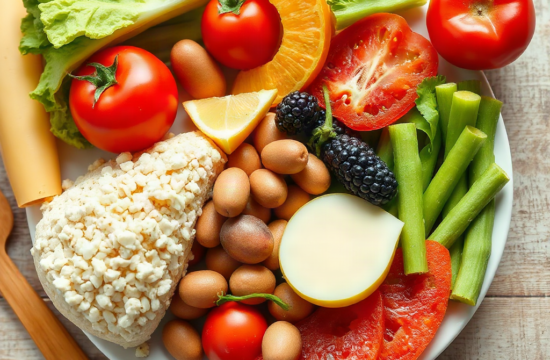
The role of fiber in maintaining satiety is crucial, as it slows digestion and promotes feelings of fullness. High-fiber foods like whole grains, legumes, fruits, and vegetables absorb water, expanding in the stomach and signaling to the brain that you are satisfied. This not only helps control appetite but also supports weight management by reducing overall calorie intake. Incorporating fiber-rich foods into meals can significantly enhance satiety, making it easier to resist unhealthy snacking and overeating.
Understanding Fiber and Its Types
Fiber is a type of carbohydrate that the body cannot digest. It is essential for digestive health and comes in two main forms: soluble and insoluble fiber. Soluble fiber dissolves in water and forms a gel-like substance, which can help to lower blood cholesterol and glucose levels. Foods rich in soluble fiber include oats, beans, lentils, and certain fruits like apples and citrus. Insoluble fiber, on the other hand, does not dissolve in water and helps to add bulk to stool, promoting regular bowel movements. Whole grains, nuts, and vegetables like carrots and celery are excellent sources of insoluble fiber.
Understanding the different types of fiber is crucial for optimizing dietary choices. Both forms contribute to overall health, but they play distinct roles in digestion and satiety. Soluble fiber tends to be more effective in promoting a feeling of fullness due to its ability to slow down digestion and enhance nutrient absorption.
How Fiber Influences Satiety
The role of fiber in maintaining satiety is primarily due to its effects on digestion and hormonal responses. When fiber is consumed, it expands in the stomach, creating a feeling of fullness that can last longer than other nutrients like sugars or fats. This expansion not only physically occupies space in the stomach but also slows gastric emptying, thus prolonging the time between meals.
Furthermore, fiber can influence the release of hormones related to appetite control, such as ghrelin and peptide YY. Increased fiber intake has been associated with lower levels of ghrelin, the hormone that stimulates hunger, and higher levels of peptide YY, which signals fullness. This hormonal balance is crucial for managing cravings and reducing the likelihood of overeating.
For example, a meal high in fiber—like a salad with beans, whole grains, and plenty of vegetables—can keep you satisfied for hours, reducing the temptation for unhealthy snacks later in the day. In contrast, a low-fiber meal may leave you feeling hungry soon after eating, leading to increased calorie consumption overall.
Incorporating Fiber-Rich Foods into Your Diet
To effectively harness the benefits of fiber for satiety, it is essential to incorporate a variety of fiber-rich foods into your daily diet. Aim for a mix of both soluble and insoluble fibers to maximize health benefits. Some effective strategies include:
- Start with Breakfast: Choose oatmeal or whole-grain cereals topped with fruits or nuts to kickstart your day with fiber.
- Snack Smart: Opt for fruits, vegetables, or whole grain crackers instead of processed snacks. Carrot sticks, apple slices, or nut butter on whole-grain toast are excellent options.
- Make Vegetables the Star: Fill half your plate with vegetables at lunch and dinner. Experiment with different cooking methods to keep meals interesting.
- Include Legumes: Incorporate beans and lentils into soups, salads, and casseroles. They are not only high in fiber but also provide protein, enhancing satiety further.
- Gradually Increase Intake: If you’re not used to a high-fiber diet, increase your fiber intake gradually to avoid digestive discomfort.
By strategically incorporating these fiber-rich foods into your meals and snacks, you can effectively enhance satiety and support your weight management goals.
Common Mistakes in Fiber Consumption
Despite the benefits of fiber, many people make common mistakes that can hinder its effectiveness in maintaining satiety. One major mistake is consuming insufficient amounts of water. Fiber absorbs water, and without adequate hydration, it can lead to digestive issues such as bloating or constipation. It’s essential to drink plenty of fluids, especially when increasing fiber intake.
Another mistake is relying solely on processed foods that claim to be high in fiber. Many of these products, such as fiber bars or cereals, may contain added sugars or unhealthy fats that can negate the benefits of fiber. Instead, focus on whole, unprocessed food sources of fiber, which provide additional nutrients and health benefits.
All in all, some individuals may overlook the importance of balanced meals. Simply adding fiber without considering overall nutrition can lead to imbalances in other macronutrients. A well-rounded diet that includes healthy fats and proteins alongside fiber-rich foods is crucial for optimal satiety and health.
Support Your Weight Loss Goals
Huge Discount on the Best Certified Organic Nutrient Dense Supplement!
Frequently Asked Questions
What are the health benefits of fiber?
Fiber aids digestion, helps control blood sugar levels, lowers cholesterol, and promotes satiety, which can assist in weight management.
How much fiber should I eat daily?
The recommended daily intake is about 25 grams for women and 38 grams for men, but individual needs may vary based on age and activity level.
Can I get enough fiber from supplements?
While supplements can help, it’s best to obtain fiber from whole foods to benefit from additional nutrients and health advantages.
What should I do if I experience digestive discomfort after increasing fiber?
If you experience discomfort, reduce your fiber intake temporarily and gradually reintroduce fiber-rich foods while ensuring adequate hydration.
Are all fibers the same in terms of satiety?
No, soluble fiber tends to promote satiety more effectively than insoluble fiber because it slows digestion and increases feelings of fullness.
Further Reading
Authoritative Sources
Conclusion
Incorporating fiber into your diet is a powerful strategy for maintaining satiety and supporting overall health. By understanding the types of fiber and their effects on the body, you can make informed choices that enhance your meals and help control hunger. Remember to include a variety of fiber-rich foods, stay hydrated, and avoid common pitfalls associated with fiber consumption. With these practices, you can effectively manage your appetite and achieve your dietary goals.
Support Your Weight Loss Goals
HUGE DISCOUNT ON THE BEST CERTIFIED ORGANIC NUTRIENT DENSE SUPPLEMENT!
Related Content
- Excellent Weight Loss Advice For You
- How to Estimate Restaurant Calories When Numbers Are Missing: A Practical Plate-by-Plate Method
- Unraveling the Truth: Insights on Why Dieting Without a Plan Fails and How to Succeed
- Even You Can Lose Weight With These Fantastic Tips
- From Yo-Yo to Go-Go: A Realistic Approach to Permanent Weight Loss