Everyone’s heard the simple math: eat less, lose weight. But real life is messier. Understanding the science behind starvation mode, food quality, macronutrient timing, movement, and habit formation flips that tired rule on its head. Instead of shrinking portions until you hate life, learn how to eat more smartly so your body responds the way you want.

Starvation Mode Is Real—But Not the Way You Think
Starvation mode is often invoked to scare people into eating tiny meals forever. The truth: prolonged severe calorie restriction does lower metabolic rate and can increase hunger hormones, making long term weight loss harder. However, this isn’t an instant punishment for skipping lunch. Shorter, moderate deficits won’t crash your metabolism. Your body adapts, but strategically planned refeeds, adequate protein, and resistance training help preserve muscle and keep metabolism humming.
Quality Over Calories: Why What You Eat Beats How Little You Eat
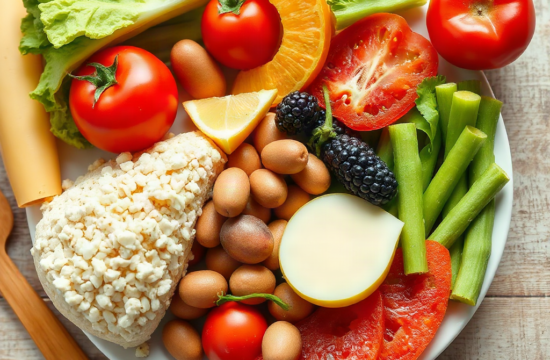
Calories matter, but food quality matters more than the calorie counter admits. Whole foods—vegetables, lean proteins, legumes, whole grains, and healthy fats—are more satiating and nutrient dense. Two meals with identical calories can have wildly different effects on hunger, energy, and body composition. Prioritize fiber, micronutrients, and protein. You’ll naturally eat less when meals keep you full and your body nourished.
Carbs, Protein, and Fat: Timing Trumps Restriction
Demonizing carbs or fat rarely helps. Instead, focus on when and how much. Protein throughout the day preserves muscle and curbs appetite. Carbs fuel workouts and replenish glycogen; eating them around training boosts performance and recovery. Fats support hormones and sustained energy; include them thoughtfully. Timing macronutrients to match activity levels lets you eat more overall while steering body composition in the right direction.
Move More, Not Less: Exercise, NEAT, and Metabolic Boosts
Exercise isn’t punishment for food — it’s permission to live bigger. Resistance training builds and maintains muscle, which raises resting metabolic rate. Cardio burns calories and improves cardiovascular health without eliminating the need for strength work. Don’t forget NEAT: everyday activity like walking, fidgeting, and chores can account for huge daily energy swings. Aim to sit less, take stairs, and add incidental movement; these small choices add up.
Sustainable Habits Beat Short-Term Willpower: Building an “Eat More, Weigh Less” Lifestyle
Willpower wanes. Habits endure. Design an environment that nudges better choices: stock whole foods, schedule meals, and create workout routines you enjoy. Start with tiny, repeatable actions—add a protein-rich breakfast, walk after dinner, lift twice weekly—and build from there. Track progress in terms of consistency and strength rather than the scale alone. Over months, these sustainable practices let you eat more satisfying food, enjoy life, and lose weight without burning out.

Eating more thoughtfully isn’t cheating; it’s strategy. Shift from deprivation to nourishment, prioritize movement and muscle, and cultivate habits that last. The scale will follow. Be patient, experiment with what works for your life, and celebrate non-scale victories like energy, sleep, and increased strength along the way every single day.
Related Content
- Lose Weight And Get Healthy – Tips That Work!
- Rewiring Your Brain to Overcome Binge Eating: Insights from Coach Amber Abila
- How to Achieve Weight Loss with a Keto Diet
- How Portion Control Affects Sustainable Weight Management Results: Practical Steps and Common Pitfalls
- How to Balance Hormones for Natural Weight Loss