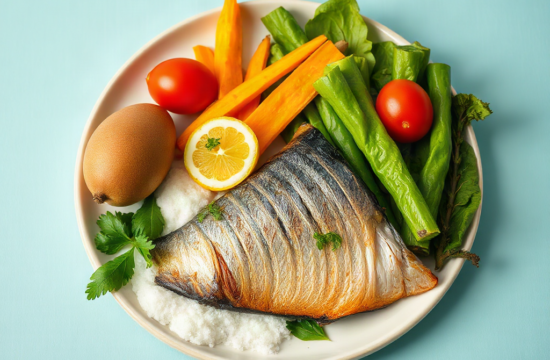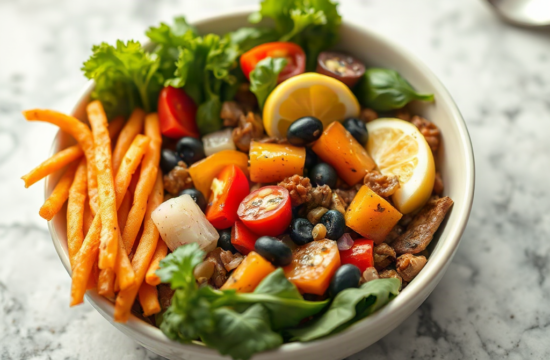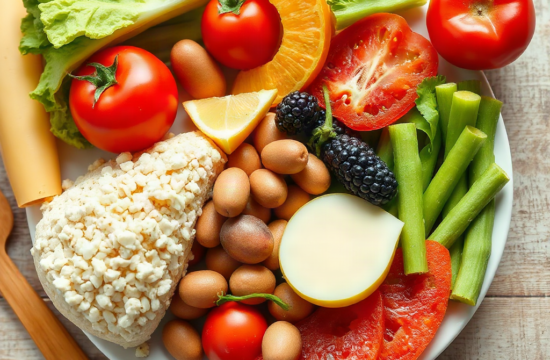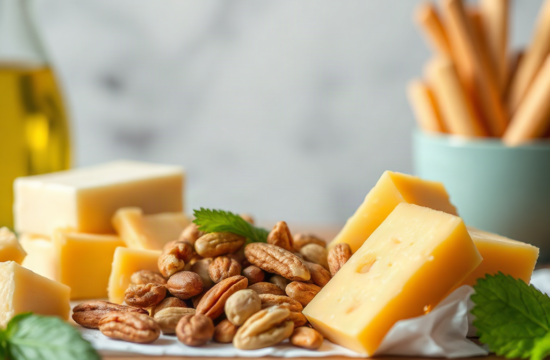
Many dieters overlook the importance of tracking not just food intake but also physical activity levels. A common mistake is to assume that a moderate diet alone will yield results without the support of consistent exercise. When you combine a well-rounded diet with regular physical activity, you create a more effective calorie deficit, which is crucial for weight loss.
Another aspect to consider is the quality of the food you are consuming. While calorie counting is important, the nutritional value of those calories also matters. For instance, a diet high in processed foods may lead to weight retention due to their low satiety levels, causing you to eat more. Focusing on whole, nutrient-dense foods can enhance your weight loss efforts.
Common Caloric Miscalculations
A significant reason people fail to lose weight is underestimating their caloric intake. Many individuals believe they are consuming fewer calories than they actually are, often forgetting to account for snacks, drinks, and portion sizes. To create an effective calorie deficit, it is crucial to accurately track everything you eat and drink.
Using a food diary or a calorie-tracking app can help you gain a clearer understanding of your intake. Be mindful of high-calorie beverages like sugary drinks or alcohol, which can add significant calories without providing satiety. By accurately assessing your intake, you can adjust your diet more effectively to support weight loss.
Common pitfalls include not measuring food portions or relying on estimates, which can lead to consuming more calories than intended. To avoid this, consider using a kitchen scale or measuring cups to ensure accuracy. It’s important to prioritize understanding your eating habits to make informed adjustments to your diet.
The Role of Hormones in Weight Loss
Hormones play a crucial role in regulating body weight and can significantly impact your ability to lose weight. Hormonal imbalances, such as those related to insulin, cortisol, and thyroid hormones, can affect metabolism and fat storage. Stress, for instance, increases cortisol levels, which can lead to weight gain or difficulty losing weight.
To address potential hormonal issues, consider consulting a healthcare professional who can assess your hormone levels. If imbalances are present, they may recommend lifestyle changes or treatments to help restore balance. Additionally, focusing on stress management techniques, such as mindfulness, yoga, or regular exercise, can aid in balancing hormones and supporting weight loss.
Understanding the hormonal influences on your body can empower you to make more informed decisions about your diet and lifestyle. Rather than solely focusing on calorie restriction, consider how your hormonal health may be affecting your weight loss journey.
Importance of Physical Activity
Physical activity is crucial for effective weight loss, yet many people underestimate its importance. Regular exercise not only helps burn calories but also supports muscle maintenance, which can enhance your metabolism. Incorporating both aerobic and strength-training exercises into your routine can yield better results.
Even small changes, such as taking the stairs instead of the elevator or walking more throughout the day, can contribute to your overall activity levels. Aim for at least 150 minutes of moderate-intensity aerobic activity each week, along with muscle-strengthening activities on two or more days.
Many individuals make the mistake of focusing solely on dieting without integrating physical activity. To maximize weight loss, make exercise a non-negotiable part of your routine. Not only will it help you burn more calories, but it will also improve your overall health and well-being.
Support Your Weight Loss Goals
Huge Discount on the Best Certified Organic Nutrient Dense Supplement!
Nutritional Quality Over Quantity
While calorie counting is essential, the nutritional quality of what you eat also plays a significant role in weight loss. Diets high in processed foods and sugars can lead to cravings and overeating, making it harder to maintain a calorie deficit. Prioritizing whole foods, such as fruits, vegetables, lean proteins, and whole grains, can provide the nutrients necessary for satiety and overall health.
Focusing on nutrient-dense foods can help you feel fuller for longer, reducing the likelihood of snacking or overeating. Incorporating foods high in fiber, such as legumes and whole grains, can enhance feelings of fullness and aid digestion, making it easier to stick to your diet.
Many people overlook the importance of nutritional quality, focusing only on calories. By shifting your focus to the types of foods you consume, you can create a more sustainable and effective approach to weight loss.
Further Reading
Authoritative Sources
- Healthy Weight: A Shared Responsibility
nhlbi.nih.govThis resource provides comprehensive information on maintaining a healthy weight through balanced nutrition and physical activity
- Healthy Weight, Nutrition, and Physical Activity
cdc.govThe CDC offers guidelines and tips for achieving and maintaining a healthy weight through diet and exercise
- Academy of Nutrition and Dietetics
eatright.orgThis organization provides insights into nutrition and weight management from registered dietitians
Frequently Asked Questions
Why is my weight loss stalled despite dieting?
Your weight loss may stall due to factors like hormonal imbalances, underestimating caloric intake, or insufficient physical activity. Consider reassessing your diet and exercise routine.
How can I track my calories accurately?
Using a food diary or a calorie-tracking app can help you monitor your intake more accurately. Be sure to measure portions and account for all foods and beverages.
What role do hormones play in weight loss?
Hormones regulate metabolism and fat storage. Imbalances in hormones like insulin and cortisol can affect your weight loss efforts, making it important to manage stress and seek medical advice if necessary.
Is exercise necessary for weight loss?
While diet is crucial, exercise plays a significant role in weight loss by burning calories and maintaining muscle mass. Incorporating regular physical activity can enhance your weight loss results.
How important is the quality of food in my diet?
The quality of food is essential for weight loss. Nutrient-dense foods can help you feel fuller and reduce cravings, making it easier to stick to a calorie deficit.
Conclusion
Understanding why you may not be losing weight despite consistent dieting is crucial for adjusting your approach and achieving your goals. Focus on accurately tracking your caloric intake, addressing any hormonal imbalances, and incorporating regular physical activity into your routine. Prioritize the quality of the foods you consume over sheer calorie counting, as this can have a significant impact on your success. By addressing these factors, you can create a more effective weight loss strategy tailored to your individual needs.
Support Your Weight Loss Goals
HUGE DISCOUNT ON THE BEST CERTIFIED ORGANIC NUTRIENT DENSE SUPPLEMENT!
Related Content
- The Ultimate Guide to Healthy Dieting: Tips and Tricks for Success
- The Role of Exercise in a Natural Diet Plan
- How to Build a Sustainable Diet: Key Foods and Practical Steps
- What Foods Help Boost Metabolism During Weight Loss: Key Ingredients for Effective Results
- How to Lose Weight Without Obsessing Over the Scale: Effective Mindful Eating Strategies and Lifestyle Changes