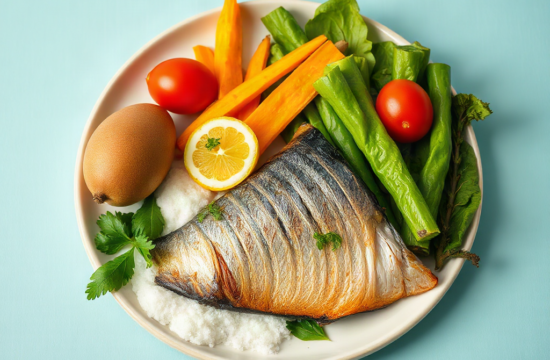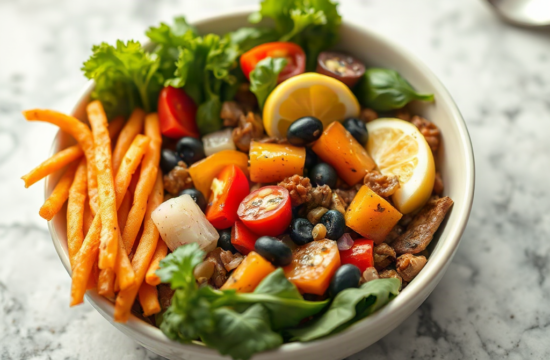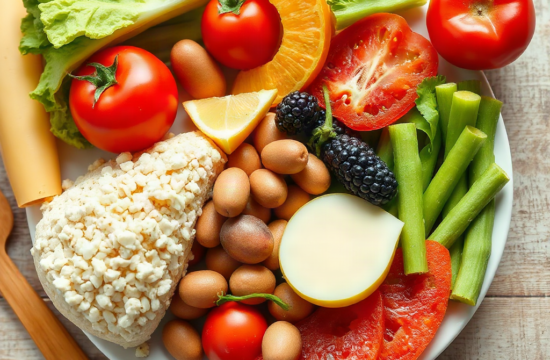
To begin a successful high-protein dieting plan, consider meal prepping as a strategy. This allows you to control portion sizes and ensure that you have nutritious options readily available. For example, cooking batches of grilled chicken or preparing quinoa salads with beans can provide quick, protein-rich meals that are easy to grab during busy days. Prioritizing whole foods over processed options will also help you manage your calorie intake effectively.
Understanding the Benefits of High-Protein Diets
High-protein diets are associated with numerous benefits, particularly for those looking to lose weight. They can help maintain muscle mass during weight loss, which is crucial for sustaining metabolic rate. Additionally, protein has a higher thermic effect compared to fats and carbohydrates, meaning your body burns more calories digesting protein. This can further assist in creating a calorie deficit necessary for weight loss.
While adopting a high-protein diet, it’s important to monitor how your body responds. Some may experience increased satiety and reduced cravings, while others may find it challenging to adjust. Tracking your food intake can help identify what works best for your body, ensuring that you remain on track with your weight loss goals.
Key Protein Sources for Weight Loss
Incorporating a variety of protein sources into your diet can enhance your nutritional profile while aiding weight loss. Lean meats such as chicken and turkey are excellent choices, as they provide high-quality protein with lower fat content. Fish, particularly fatty types like salmon, offer beneficial omega-3 fatty acids along with protein.
Plant-based options such as lentils, chickpeas, and quinoa are also valuable protein sources for those who prefer vegetarian or vegan diets. These foods not only provide protein but also contribute essential nutrients and fiber, promoting overall health. Including a mix of these sources can help you meet your protein needs while keeping meals interesting and satisfying.
Meal Planning Strategies
Effective meal planning is crucial for successfully following a high-protein diet. Start by determining your daily protein needs based on your weight, activity level, and weight loss goals. Once you have a target, plan your meals around protein-rich foods, ensuring each meal contains a source of protein.
Consider batch cooking and preparing meals in advance to avoid last-minute unhealthy choices. For example, prepare grilled chicken, boiled eggs, or protein-packed smoothies that can be consumed throughout the week. This not only saves time but also helps you stay committed to your dietary goals.
Common Mistakes to Avoid
One of the most common mistakes individuals make when transitioning to a high-protein diet is neglecting other nutrients. While protein is essential, a balanced diet should still include healthy fats and carbohydrates to provide energy and support bodily functions. Focusing solely on protein can lead to deficiencies and an unbalanced diet.
Another pitfall is failing to adjust portion sizes. Even high-protein foods can contribute to weight gain if consumed in excess. It’s important to practice portion control and be mindful of total calorie intake to ensure that you are creating a sustainable calorie deficit for weight loss.
Support Your Weight Loss Goals
Huge Discount on the Best Certified Organic Nutrient Dense Supplement!
Frequently Asked Questions
What are the benefits of a high-protein diet?
A high-protein diet can enhance satiety, maintain muscle mass during weight loss, and promote a higher calorie burn during digestion.
How much protein should I consume daily?
Your daily protein needs depend on factors like weight and activity level, but a common recommendation is 0.8 grams of protein per kilogram of body weight.
Can I eat carbs on a high-protein diet?
Yes, it’s important to include healthy carbohydrates in your diet for energy. Focus on whole grains, fruits, and vegetables.
Is a high-protein diet suitable for everyone?
While many can benefit from a high-protein diet, those with certain health conditions should consult a healthcare provider before making significant dietary changes.
What are some high-protein snacks?
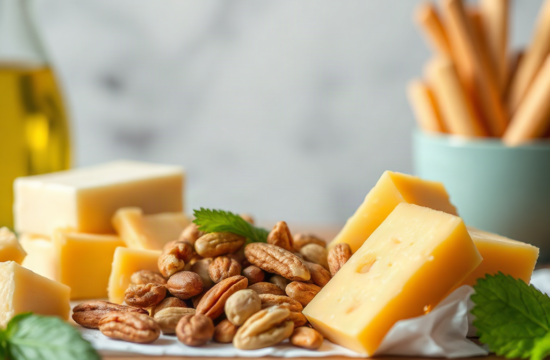
Good high-protein snacks include Greek yogurt, cottage cheese, nuts, and protein bars, which can help meet your protein needs between meals.
Conclusion
Ultimately, adopting a high-protein diet can be a highly effective strategy for weight loss when approached thoughtfully. By prioritizing protein-rich foods and balancing your meals with healthy fats and carbohydrates, you can create a sustainable eating plan that supports your weight loss goals. Remember to plan your meals, avoid common pitfalls, and listen to your body’s needs as you embark on this dietary journey.