Table of Contents
- 1. Know Your Calorie Needs
- 2. Prioritize Whole Foods
- 3. Incorporate Strength Training
- 4. Manage Portion Sizes
- 5. Stay Hydrated
- 6. Maintain Mindful Eating
- 7. Set Realistic Goals
- FAQ
- Conclusion
1. Know Your Calorie Needs
Understanding Your Daily Calorie Requirements
Knowing your specific calorie needs is the cornerstone of effective dieting. In 2025, science continues to refine how we estimate energy requirements, factoring in variables like age, gender, activity level, and metabolic rate. For example, a sedentary woman might need approximately 1,800 calories daily, while an active man might require upwards of 2,500.
By calculating your basal metabolic rate (BMR) and adjusting for physical activity, you can create a sustainable calorie deficit or surplus depending on your goals. Numerous apps and online calculators now incorporate real-time data to personalize these calculations further, making it easier to stick to a plan.
Accurate calorie awareness prevents both overeating and undernourishment. Consistently tracking your intake using tools like MyFitnessPal can help you stay aligned with your goals, especially in 2025 when food tracking apps have become more sophisticated and user-friendly.
Practical tips to track your calorie intake
Start by recording what you eat for a few days. Use digital food scales for precision and take advantage of barcode scanning features in apps. Remember, consistency is key; even minor errors can add up over time.
Set realistic daily calorie targets based on your activity level. Over time, tweak your intake as your weight changes or your activity pattern shifts. This personalized approach is supported by recent research highlighting the importance of individualized plans.
2. Prioritize Whole Foods
Why Whole Foods Are Vital in 2025
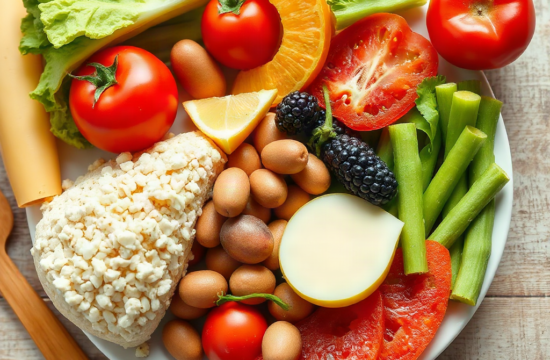
Growing evidence indicates that diets rich in whole foodsâfruits, vegetables, lean proteins, nuts, and whole grainsâoffer superior health benefits compared to processed foods. In 2025, these foods are even more emphasized by nutrition experts due to their nutrient density and minimal additives.
Whole foods help regulate appetite, stabilize blood sugar levels, and provide necessary vitamins and minerals. For instance, replacing sugary snacks with fresh fruits can significantly reduce calorie intake while enhancing satiety.
Research shows that people consuming more whole, unprocessed foods tend to achieve better weight management outcomes and improved metabolic health, making them a critical component of science-backed dieting tips.
Practical ways to incorporate more whole foods
- Meal prep with fresh ingredients for the week.
- Read labels carefully to avoid hidden sugars and unhealthy fats.
- Replace processed snacks with nuts, seeds, and fruit.
3. Incorporate Strength Training
The Role of Resistance Exercise in Weight Loss
Strength training in 2025 remains one of the most effective ways to enhance fat loss and preserve muscle mass during dieting. Not only does resistance exercise increase muscle strength, but it also elevates your resting metabolic rate, leading to higher calorie burn even when not exercising.
Studies published this year highlight that combining strength training with aerobic activity optimizes body composition improvements. For example, lifting weights three times weekly can boost your metabolic rate by roughly 15% over several months.
Including strength workouts in your routine can also improve bone density and reduce injury risk, especially as you age. This holistic approach to dieting ensures long-term health benefits beyond mere weight loss.
Practical guidelines for effective strength training
- Start with full-body workouts targeting major muscle groups.
- Progressively increase weights or reps to stimulate growth.
- Allow adequate recovery time between sessions.
4. Manage Portion Sizes
Understanding Portions for Better Control
Portion control is a simple yet powerful science-backed tip to dieting. Many people underestimate serving sizes, leading to inadvertent overeating. In 2025, digital plate portion control aids and visual cues have become popular tools to help maintain appropriate serving sizes.
For example, using smaller plates or pre-portioned containers can trick the brain into feeling satiated with less food. Research confirms that larger plates often lead to increased food consumption, regardless of hunger levels.
Practicing mindful portioning ensures that you enjoy your favorite foods without exceeding caloric needs, which is crucial for sustainable weight management in 2025.
Practical tips for portion control
- Use measuring cups and food scales for accuracy.
- Divide meals into smaller servings and snack in moderation.
- Learn to read nutrition labels to understand serving sizes better.
5. Stay Hydrated
The Importance of Water in Your Diet
Staying properly hydrated is a science-backed tip to dieting that often gets overlooked. In 2025, hydration remains linked to improved metabolism, appetite regulation, and overall health. Drinking adequate waterâabout 8-10 glasses dailyâcan help reduce calorie intake by curbing hunger.
Good HealthY DIETING Solution is Easier Than Most People Think!
Take a Look for Yourself!
Studies show that drinking water before meals can lead to lower calorie consumption and modest weight loss over time. Moreover, proper hydration supports digestion and nutrient absorption, essential during any weight management plan.
Incorporate flavorless or infused water options to increase intake if you find plain water dull. Using technology-powered reminders can also boost your hydration habits throughout the day.
Practical hydration tips
- Start your day with a glass of water.
- Carry a reusable water bottle with you.
- Set hourly reminders to drink water.
6. Maintain Mindful Eating
Enhancing Awareness During Meals
Mindful eating is a proven science-backed tip to dieting that promotes better digestion, reduces overeating, and supports emotional health. By paying full attention to your foodâand how it makes you feelâyou can better recognize true hunger and fullness cues.
In 2025, mindfulness techniquesâsuch as eating slowly, savoring each bite, and avoiding distractionsâare widely recommended by nutrition experts. These practices help create a healthier relationship with food, leading to more sustainable habits.
Many people report that incorporating mindful eating helps them enjoy their meals more, reducing the tendency to snack unnecessarily or indulge in emotional eating episodes.
Practical mindfulness strategies
- Eat in a calm environment without screens or distractions.
- Chew slowly and savor each bite for maximum satisfaction.
- Pause midway through your meal to check your hunger levels.
7. Set Realistic Goals
Importance of Achievable Targets
Setting realistic, science-backed goals to dieting is essential for long-term success. In 2025, experts emphasize that unattainable targets often lead to frustration and drop-out. Instead, focus on small, measurable milestones, like losing 1-2 pounds per week or increasing daily steps.
Breaking larger goals into manageable steps helps build confidence, keeps motivation high, and allows for adjustments along the way. Use tracking tools to monitor progress objectively, and celebrate small wins to stay committed.
Research shows that people who set realistic goals are more likely to maintain weight loss over years, making goal setting a fundamental tip in any effective diet plan.
Strategies to set practical goals
- Define specific, measurable objectives.
- Plan for potential setbacks and how to overcome them.
- Adjust goals as needed based on progress and lifestyle changes.
Frequently Asked Questions
Q1: What are some effective science-backed tips to dieting in 2025?
Some of the most effective tips include understanding your calorie needs, prioritizing whole foods, incorporating strength training, managing portion sizes, staying hydrated, practicing mindful eating, and setting realistic goals. These strategies are supported by the latest research and help achieve sustainable weight management.
Q2: Why is tracking calories important in a science-backed diet plan?
Tracking calories helps create awareness of intake, enforce portion control, and tailor your diet to meet specific energy needs. It provides measurable data that can guide adjustments, making your dieting efforts more effective and personalized.
Q3: How does strength training contribute to successful dieting?
Strength training boosts muscle mass, which increases resting metabolic rate, thus helping burn more calories even at rest. Combined with proper nutrition, it enhances fat loss and improves overall body composition.
Q4: Can hydration really impact weight loss?
Yes, proper hydration supports metabolism, curbs hunger, and improves digestion. Drinking enough water is an often underestimated, science-backed tip to dieting that can make a significant difference over time.
Q5: What role does mindful eating play in effective dieting?
Mindful eating increases awareness of hunger and fullness cues, reduces emotional eating, and enhances enjoyment of food. This approach fosters healthier eating habits that are key to sustained weight management.
Conclusion
All in all, understanding and implementing science-backed tips to dieting in 2025 is essential for achieving your health and weight loss goals. From accurately tracking your caloric needs to practicing mindful eating and setting realistic objectives, these proven strategies can make your journey more effective and sustainable. Remember, the key to successful dieting isnât just about quick fixes but adopting habits rooted in science and supported by current research. Stay committed, informed, and patientâall while leveraging these expert tips to reach your desired results.