Understanding the balance of calories consumed versus calories burned is essential. While reducing caloric intake can promote weight loss, it’s equally important to ensure that the body receives necessary nutrients. Many people make the mistake of under-eating or eliminating entire food groups, which can lead to nutrient deficiencies and metabolic slowdown. Instead, aim for a sustainable approach that includes a variety of healthy foods.
Common pitfalls include relying on fad diets or quick fixes that promise rapid results. These often fail to provide long-term solutions and can lead to frustration and weight regain. Instead, focus on gradual changes that can be maintained over time, such as adjusting portion sizes and increasing physical activity levels.
Incorporating Whole Foods
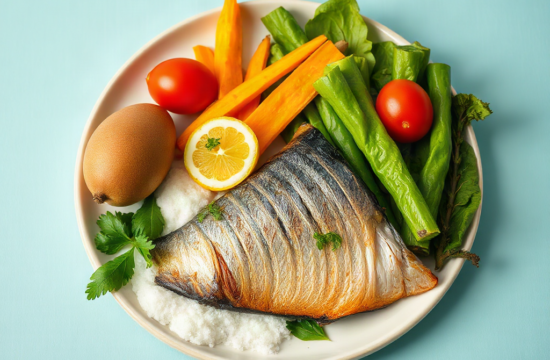
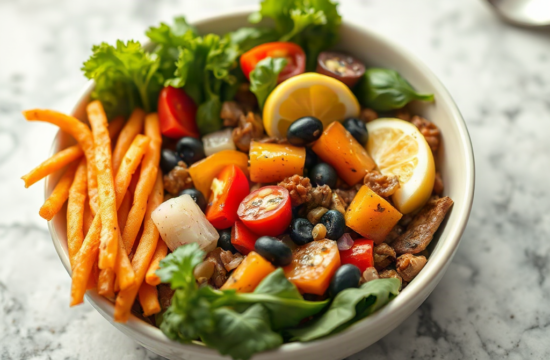
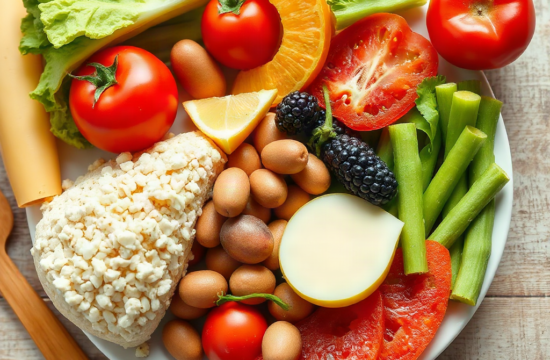
Whole foods, such as fruits, vegetables, whole grains, and lean proteins, should make up the bulk of your diet. These foods are rich in essential nutrients that support overall health and promote fat loss. They provide the body with the vitamins, minerals, and fiber needed to function optimally.
Choosing whole foods over processed options can significantly reduce added sugars and unhealthy fats in your diet. For instance, opting for an apple instead of a sugary snack not only curbs cravings but also provides fiber that aids digestion and keeps you feeling full longer. Additionally, consider meal prepping to ensure you have healthy options readily available, which can help you resist the temptation of convenience foods.
However, it’s important to remain mindful of portion sizes even with whole foods. Overeating healthy foods can still lead to weight gain. A good strategy is to fill half your plate with vegetables, one quarter with lean protein, and the remaining quarter with whole grains.
Understanding Caloric Balance
The principle of caloric balance is fundamental to weight loss. To lose weight, you need to create a caloric deficit, meaning you consume fewer calories than your body burns. This can be achieved by either reducing caloric intake, increasing physical activity, or a combination of both.
Many individuals underestimate their caloric intake or overestimate their calorie expenditure, leading to ineffective weight loss efforts. Keeping a food diary can help you track what you eat and identify areas for improvement. Additionally, using a calorie tracking app can provide insights into your eating patterns and help you stay accountable.
Moreover, it’s crucial to focus on the quality of the calories consumed. Not all calories are created equal; for example, 200 calories from a candy bar will not provide the same nutritional benefit as 200 calories from a serving of salmon and vegetables. Prioritize nutrient-dense foods that provide more than just calories.
The Importance of Hydration
Staying hydrated is an often-overlooked aspect of weight loss. Water plays a critical role in digestion, metabolism, and overall health. Drinking enough water can also help control hunger, as thirst is sometimes mistaken for hunger.
Incorporating water-rich foods into your diet, such as fruits and vegetables, can aid in hydration. Additionally, try to replace sugary drinks with water or herbal teas. A good rule of thumb is to aim for at least eight 8-ounce glasses of water a day, but individual needs may vary based on activity level and climate.
Be cautious of excessive caffeine or alcohol consumption, as these can lead to dehydration. Always listen to your body’s signals and adjust your fluid intake accordingly, particularly during exercise or hot weather.
Daily Habits for Success
Establishing daily habits that support weight loss can make a significant difference. Regular physical activity should be a cornerstone of your routine, aiming for at least 150 minutes of moderate aerobic exercise each week, supplemented with strength training exercises at least twice a week.
Support Your Weight Loss Goals
Huge Discount on the Best Certified Organic Nutrient Dense Supplement!
Additionally, creating a consistent sleep schedule is vital. Poor sleep can disrupt hormones that regulate appetite and lead to increased cravings for unhealthy foods. Aim for 7-9 hours of quality sleep each night.
Mindfulness practices, such as meditation or yoga, can also be beneficial. They help reduce stress, which is often linked to emotional eating. Consider implementing short mindfulness sessions throughout your day to enhance your focus and promote healthier choices.
Further Reading
Authoritative Sources
- CDC's Healthy Weight
cdc.govA comprehensive resource for understanding healthy weight management and strategies for effective weight loss
- NIH Healthy Weight
nhlbi.nih.govOffers evidence-based information on maintaining a healthy weight through lifestyle choices
- Choose My Plate
choosemyplate.govProvides guidelines on building a healthy plate and making nutritious food choices
- Academy of Nutrition and Dietetics
eatright.orgAccess to a wealth of resources and articles on nutrition and healthy eating
Frequently Asked Questions
What are the best foods to eat for fat loss?
Nutrient-dense foods like vegetables, fruits, lean proteins, and whole grains are best for fat loss. They provide essential nutrients while keeping you satisfied.
How much water should I drink daily for weight loss?
Aim for at least eight 8-ounce glasses of water daily, adjusting based on your activity level and environment.
Can I lose weight without exercising?
While exercise aids weight loss, a caloric deficit through diet alone can lead to weight loss. However, exercise provides additional health benefits.
What common mistakes should I avoid while trying to lose weight?
Avoid extreme diets, skipping meals, and neglecting hydration. Focus on sustainable habits instead.
How long does it take to see results from weight loss efforts?
Results can vary, but most people may start to notice changes within a few weeks with consistent effort in diet and exercise.
Conclusion
To effectively burn fat naturally, focus on incorporating whole foods, understanding caloric balance, staying hydrated, and establishing healthy daily habits. Avoid common pitfalls like fad diets and extreme caloric restrictions, which can lead to frustration and potential health issues. Instead, prioritize gradual, sustainable changes that you can maintain over time. By making informed choices and staying consistent, you can achieve lasting weight loss and improved health.
Support Your Weight Loss Goals
HUGE DISCOUNT ON THE BEST CERTIFIED ORGANIC NUTRIENT DENSE SUPPLEMENT!
Related Content
- Discover The Simple Diet Changes That Lead to Real Weight Loss and Renew Your Health Today
- Impact of Stress on Weight Loss Efforts: Understanding Hormonal Effects and Practical Solutions
- Need Inspiration? Try Out These Weight Loss Ideas.
- Making Sustainable Weight Loss Changes
- Dieting Myths Debunked: Separating Fact from Fiction in the World of Nutrition