
Understanding the importance of portion control is critical in achieving healthy weight loss. Many people underestimate serving sizes, leading to excessive calorie intake. By educating oneself about appropriate portion sizes and practicing mindful eating, individuals can better manage their caloric consumption without feeling deprived. Additionally, setting realistic and achievable goals can help maintain motivation and focus throughout the weight loss journey.
A common pitfall in dieting is the reliance on fad diets that promise quick results but lack sustainability. Instead, prioritize a balanced diet that includes a variety of food groups to ensure that nutritional needs are met. This approach not only promotes healthy weight loss but also supports long-term maintenance, as it encourages sustainable habits rather than temporary fixes.
Understanding Nutrient-Dense Foods
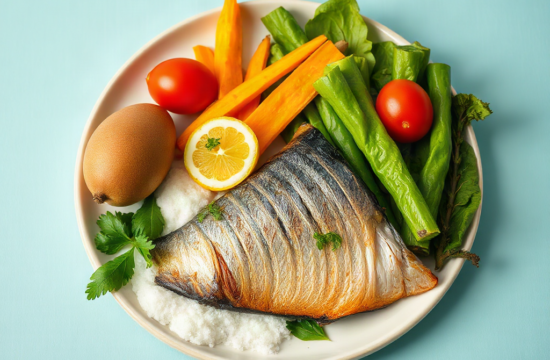
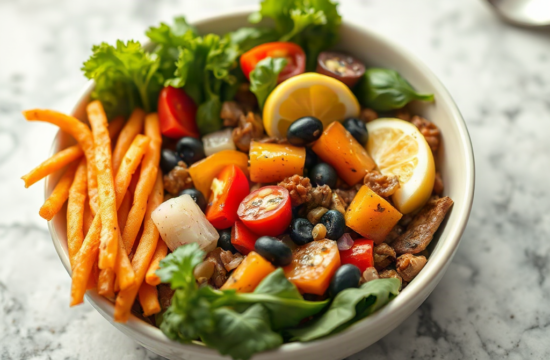
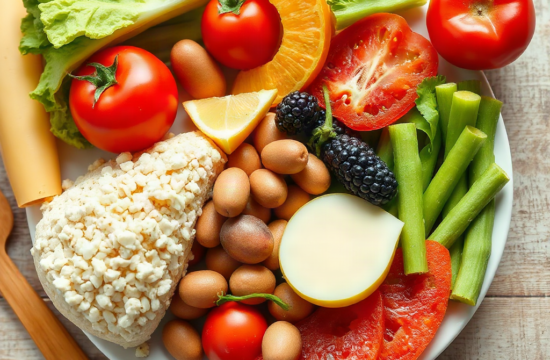
Nutrient-dense foods are essential for healthy weight loss as they provide high amounts of vitamins and minerals relative to their calorie content. Examples include fruits, vegetables, lean meats, fish, and whole grains. Incorporating these foods into your diet can help you feel fuller for longer while consuming fewer calories.
Focusing on nutrient-dense options not only aids in weight loss but also promotes overall health. For instance, fiber-rich foods like vegetables and whole grains can improve digestion and help regulate blood sugar levels. This can lead to reduced cravings and better control over eating habits.
When transitioning to a nutrient-dense diet, consider planning meals that incorporate a variety of colors and textures. This not only enhances the visual appeal but also ensures a broad spectrum of nutrients. Avoid falling into the trap of low-calorie diets that limit essential nutrients, as this can lead to deficiencies and hinder weight loss efforts.
The Role of Portion Control
Portion control is a crucial aspect of successful dieting. It involves understanding the right amounts of food to consume, which can significantly impact weight loss outcomes. Many people consume larger portions than necessary, leading to increased calorie intake even when eating healthy foods.
To practice portion control, consider using smaller plates and bowls, which can create the illusion of a fuller plate. Additionally, measuring serving sizes, especially for high-calorie foods, can help maintain awareness of intake levels. Mindful eating practices, such as savoring each bite and eating slowly, can also contribute to better portion management.
Be aware of common portion distortions, such as those found in restaurant servings, which often exceed standard serving sizes. Understanding these discrepancies can help you make informed choices when dining out or meal prepping at home. Prioritizing portion control alongside nutrient-dense food choices creates a powerful combination for effective weight management.
Setting Realistic Weight Loss Goals
Setting realistic weight loss goals is vital for maintaining motivation and achieving sustainable results. Aim for gradual weight loss, typically 1-2 pounds per week, which is considered safe and achievable. This approach helps prevent frustration and discouragement that can arise from unrealistic expectations.
When setting goals, consider both short-term and long-term objectives. Short-term goals may include specific dietary changes or exercise routines, while long-term goals should focus on maintaining a healthy lifestyle. Keeping goals specific and measurable allows for tracking progress effectively, which can boost motivation.
Additionally, be flexible with your goals. Life events and circumstances can impact your ability to stick to a plan. Adjusting your goals to fit your current situation can help maintain momentum and prevent feelings of failure. Celebrate small victories along the way to reinforce positive behavior changes.
Avoiding Fad Diets
Fad diets often promise rapid weight loss through restrictive eating patterns or unbalanced nutritional approaches. While they may yield short-term results, they are typically unsustainable and can lead to negative health consequences. Avoiding these diets is crucial for long-term success.
Instead of following trends, focus on creating a balanced diet that includes all food groups in moderation. This not only helps maintain a healthy weight but also ensures that your body receives essential nutrients. Consider consulting a registered dietitian for personalized advice tailored to your specific needs.
Support Your Weight Loss Goals
Huge Discount on the Best Certified Organic Nutrient Dense Supplement!
Be wary of diets that eliminate entire food groups or promote extreme calorie restriction. These approaches can lead to nutrient deficiencies and potential health issues. Prioritize a balanced, varied diet that fosters a healthy relationship with food and supports long-lasting weight management.
Incorporating Physical Activity
Physical activity plays a significant role in healthy weight loss. Regular exercise not only burns calories but also supports muscle development and boosts metabolism. Aim for a mix of cardiovascular, strength training, and flexibility exercises for a well-rounded fitness routine.
Incorporating physical activity doesn’t have to be daunting. Start by finding activities you enjoy, whether it’s walking, cycling, dancing, or group classes. Setting achievable fitness goals can also enhance motivation and make exercising a regular part of your lifestyle.
Be mindful of the importance of consistency in physical activity. Establishing a routine that fits your schedule and lifestyle can make a significant difference in maintaining weight loss. Remember that small changes, such as taking the stairs or going for short walks, can accumulate and contribute to overall activity levels.
Further Reading
Authoritative Sources
- Healthy Weight
cdc.govThis resource from the CDC provides insights on maintaining a healthy weight through balanced nutrition and physical activity
- MyPlate
choosemyplate.govMyPlate offers practical guidelines on portion sizes and food groups to help create balanced meals
- Academy of Nutrition and Dietetics
eatright.orgA comprehensive resource for nutrition information and tips from registered dietitians
- NIH Healthy Weight
nhlbi.nih.govThe NIH provides research-based information on achieving and maintaining a healthy weight
Frequently Asked Questions
What are the best foods for healthy weight loss?
Focus on whole foods like fruits, vegetables, lean proteins, and whole grains, which provide essential nutrients and help control hunger.
How can I control portion sizes?
Use smaller plates, measure serving sizes, and practice mindful eating to help manage portion sizes effectively.
What is a realistic weight loss goal?
Aim for 1-2 pounds per week, which is considered safe and sustainable for long-term weight management.
Are fad diets effective for weight loss?
Fad diets may lead to short-term weight loss but are usually unsustainable and can result in negative health effects.
How important is exercise for weight loss?
Regular physical activity is crucial for burning calories, supporting muscle growth, and enhancing overall health during weight loss efforts.
Conclusion
All in all, the best dieting tips for healthy weight loss revolve around a balanced approach that includes nutrient-dense foods, portion control, realistic goal setting, and regular physical activity. Avoiding fad diets and focusing on sustainable habits will lead to more effective long-term results. Prioritize your well-being by making informed choices, and remember that consistency is key in achieving and maintaining your weight loss goals.
Support Your Weight Loss Goals
HUGE DISCOUNT ON THE BEST CERTIFIED ORGANIC NUTRIENT DENSE SUPPLEMENT!
Related Content
- 9 Effective Low Sugar Diet Tips (2025 Guide) to Transform Your Health
- The Secret Behind Keto Diet: What No One Tells You About It
- 10 Effective cheat meal tips (2025 Guide) to Maximize Results
- The Role of Cholesterol in Diet and Health
- Prevention is Possible: A Cardiologist’s Blueprint for a Healthy Heart with Dr Tracy Paeschke