Processed foods are often marketed as convenient and tasty options, but their nutritional profiles can be misleading. Many of these foods are designed to be hyper-palatable, which means they can trigger overeating and make it challenging to stick to a calorie deficit necessary for weight loss. Additionally, the artificial additives and lack of fiber in processed foods can disrupt metabolic processes, leading to weight gain rather than loss.
An important consideration is the relationship between processed foods and hunger signals. These foods can affect hormones that regulate appetite, potentially leading to increased hunger and cravings. Individuals aiming for weight loss should prioritize whole, unprocessed foods that support satiety and provide essential nutrients.
Understanding Processed Foods and Their Effects
Processed foods are defined as items that have been altered from their original form through methods such as canning, freezing, or adding preservatives. This alteration can significantly impact their nutritional value. Many processed foods are stripped of essential nutrients, such as vitamins and minerals, and are often high in added sugars and unhealthy fats. As a result, they can contribute to weight gain and negatively affect overall health.
One of the main issues with processed foods is their high calorie density combined with low nutritional value. This means that consuming these foods can lead to excessive calorie intake without providing the necessary nutrients required for health and wellness. For those trying to lose weight, this can create a cycle of hunger and cravings that make it difficult to stay on track.
Moreover, processed foods can lead to inflammation and insulin resistance, both of which are linked to weight gain. Being aware of these effects can help individuals make better dietary choices that align with their weight loss goals.
The Role of Nutrition Labels in Making Choices
Understanding nutrition labels is crucial when navigating processed foods. These labels provide information on calorie content, serving size, and the presence of added sugars and unhealthy fats. However, many consumers overlook this information, leading to poor dietary choices.
When reading nutrition labels, it’s essential to focus on the ingredients list as well. A shorter list with recognizable ingredients typically indicates a healthier product. Additionally, consumers should be wary of terms like ‘low fat’ or ‘sugar-free,’ which can be misleading. Often, these products may contain high levels of other unhealthy additives that can contribute to weight gain.
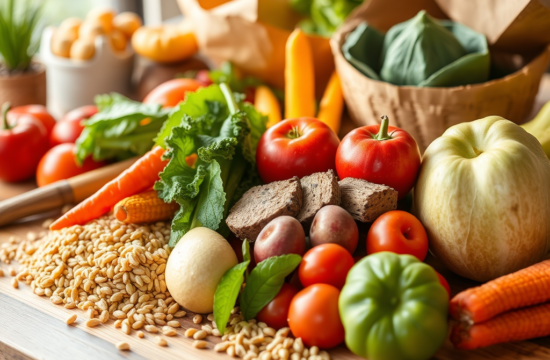
Prioritizing whole foods and minimally processed options can help individuals maintain a balanced diet while still enjoying their meals. This approach not only supports weight loss but also promotes better overall health.
Common Mistakes When Including Processed Foods in Diets
One common mistake people make is assuming that all processed foods are unhealthy. While many processed foods are high in sugars and unhealthy fats, some can be part of a balanced diet. For instance, frozen fruits and vegetables are processed but retain their nutritional value.
Another mistake is underestimating portion sizes. Many processed foods are marketed in single-serving packages, which can lead to overeating if individuals consume multiple servings without realizing it. It’s crucial to be mindful of serving sizes and to measure portions when necessary.
Support Your Weight Loss Goals
Huge Discount on the Best Certified Organic Nutrient Dense Supplement!
Additionally, relying too heavily on processed foods can lead to nutrient deficiencies. Individuals should aim to incorporate a variety of whole foods into their diets to ensure they are receiving the necessary vitamins and minerals for optimal health.
Strategies to Minimize the Negative Impact of Processed Foods
To minimize the negative impact of processed foods on weight loss results, individuals can adopt several strategies. First, it’s beneficial to plan meals ahead of time, focusing on whole foods and limiting the inclusion of processed items. Meal prepping can help ensure that healthy options are readily available.
Another effective strategy is to read labels carefully and choose products with fewer ingredients and lower amounts of added sugars and unhealthy fats. Incorporating more whole foods, such as fruits, vegetables, whole grains, and lean proteins, into daily meals can provide the necessary nutrients while supporting weight loss efforts.
In summary, being mindful of emotional eating is crucial. Processed foods are often used as comfort foods, which can lead to overeating. Developing healthier coping mechanisms and being aware of triggers can help individuals make better dietary choices.
Further Reading
Authoritative Sources
- Nutrition and Processed Foods
example.comThis source provides a comprehensive overview of how processed foods affect health and weight management
Frequently Asked Questions
Can processed foods be part of a healthy diet?
Yes, some processed foods, such as frozen fruits and vegetables, can be part of a healthy diet if consumed in moderation.
What are the main ingredients to avoid in processed foods?
Avoid products high in added sugars, trans fats, and artificial preservatives.
How do processed foods affect metabolism?
Processed foods can disrupt metabolic processes and contribute to insulin resistance, making weight loss more challenging.
What strategies can help reduce processed food intake?
Meal prepping, reading labels, and focusing on whole foods can help reduce processed food intake.
Are all processed foods unhealthy?
No, not all processed foods are unhealthy. Some options, like canned beans and frozen vegetables, can be nutritious choices.
Conclusion
All in all, the impact of processed foods on weight loss results is substantial, and understanding this relationship is crucial for anyone looking to shed pounds effectively. By being mindful of the types of processed foods consumed, reading labels, and prioritizing whole foods, individuals can make informed dietary choices. Implementing strategies to minimize the intake of unhealthy processed foods while incorporating healthier options can significantly enhance weight loss efforts. Ultimately, awareness and intentionality in food choices are key to achieving and maintaining weight loss goals.