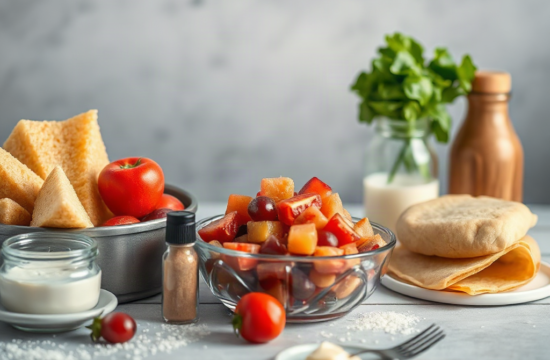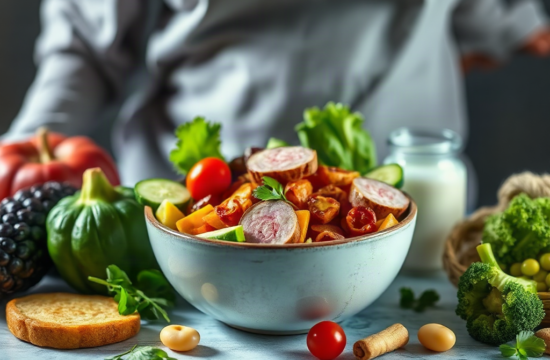

Opt for nutrient-dense options like chicken, turkey, tofu, lentils, and Greek yogurt. Moreover, combining protein with healthy fats and carbohydrates can enhance meal satisfaction and prevent energy dips throughout the day.
High-protein dieting offers numerous benefits, including enhanced satiety and improved metabolic rate. Research indicates that protein has a higher thermic effect compared to fats and carbohydrates, meaning your body burns more calories digesting protein-rich foods.
Benefits of High-Protein Dieting
High-protein dieting offers numerous benefits, including enhanced satiety and improved metabolic rate. Research indicates that protein has a higher thermic effect compared to fats and carbohydrates, meaning your body burns more calories digesting protein-rich foods. This can lead to a greater calorie deficit, which is crucial for weight loss. Additionally, adequate protein intake supports muscle retention, which is vital when losing weight to ensure that the body burns fat rather than muscle.
Moreover, high-protein diets can help regulate hunger hormones, leading to reduced cravings and a decreased likelihood of overeating. By incorporating protein into each meal, you can stabilize blood sugar levels, which further assists in managing hunger and energy levels throughout the day.
How to Structure Your Meals
Structuring meals around protein is essential for maximizing the benefits of a high-protein diet. Aim to include a source of protein in every meal and snack. For example, breakfast could consist of scrambled eggs with spinach, while lunch might feature a grilled chicken salad. Dinner could involve baked salmon paired with quinoa and vegetables.
In addition to whole protein sources, consider incorporating protein supplements like whey or plant-based protein powders if you’re struggling to meet your needs through food alone. However, rely on whole foods as your primary protein sources for better nutrition overall.
Common Mistakes to Avoid
One common mistake when following a high-protein diet is neglecting other vital nutrients. While protein is crucial, it’s important not to ignore healthy fats and carbohydrates, which are essential for energy and overall health. Balancing macronutrients can prevent fatigue and ensure your body receives all the nutrients it needs.
Another pitfall is relying on processed protein products, such as bars and shakes, which can be high in sugars and additives. Always prioritize whole food sources, as they provide additional vitamins, minerals, and fiber that support digestion and overall well-being.
Sample Meal Plans
Here’s a sample day of meals for a high-protein diet:
- Breakfast: Greek yogurt with berries and a sprinkle of nuts.
- Snack: A boiled egg and a piece of fruit.
- Lunch: Quinoa salad with chickpeas, cucumber, and feta cheese.
- Snack: Cottage cheese with pineapple.
- Dinner: Grilled chicken breast with steamed broccoli and brown rice.
Frequently Asked Questions
What is a high-protein diet?
A high-protein diet emphasizes consuming protein-rich foods, aiming for a greater proportion of daily calories from protein sources to aid weight loss and muscle retention.
How much protein do I need daily?
Most adults should aim for 0.8 grams of protein per kilogram of body weight, but those on a high-protein diet may benefit from 1.2 to 2.0 grams per kilogram, depending on activity level.
Can I lose weight on a high-protein diet?
Yes, a high-protein diet can facilitate weight loss by enhancing satiety, reducing cravings, and promoting fat loss while preserving muscle mass.
What are good protein sources?
Good protein sources include lean meats, fish, eggs, dairy products, legumes, nuts, and seeds.
Are there any side effects of a high-protein diet?
Some people may experience digestive issues, dehydration, or nutrient deficiencies if they neglect other food groups while following a high-protein diet.
Conclusion
Incorporating a high-protein diet can be a powerful strategy for effective weight loss. By focusing on quality protein sources and balancing your meals, you can enhance satiety, maintain muscle mass, and promote a sustainable calorie deficit. To maximize results, avoid common mistakes such as neglecting other nutrients and relying on processed proteins. As you embark on this dietary approach, prioritize meal planning and mindful eating to support your overall health and weight management goals.