
To achieve this, incorporate a diverse range of food groups including fruits, vegetables, whole grains, lean proteins, and healthy fats. This approach not only supports overall health but also helps in meal planning and reducing food waste.
To create a balanced grocery list, it's crucial to understand the different food groups and their roles in nutrition. To achieve this, incorporate a diverse range of food groups including fruits, vegetables, whole grains, lean proteins, and healthy fats.
Understanding Food Groups
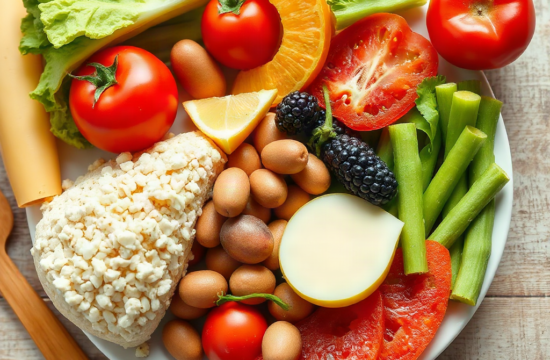
To create a balanced grocery list, it’s crucial to understand the different food groups and their roles in nutrition. Each group provides unique benefits and essential nutrients. For example, fruits and vegetables are rich in vitamins, minerals, and fiber, while proteins are vital for muscle repair and immune function.
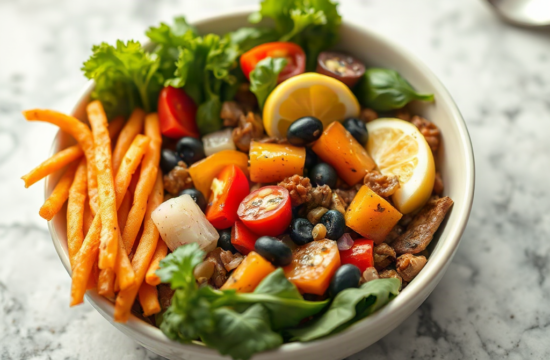
When shopping, aim to include a variety of colors and types of produce to ensure a range of nutrients. This not only makes meals visually appealing but also enhances the overall health benefits. Additionally, incorporating whole grains like brown rice or quinoa can provide sustained energy and improve digestion.
Planning Meals Ahead
Meal planning is a vital step in creating a balanced grocery list. By deciding on meals for the week, you can ensure that you have all the necessary ingredients on hand. This can prevent last-minute decisions that often lead to unhealthy choices.
Start by selecting a few recipes for the week, then list the ingredients needed for each dish. This method not only streamlines your grocery shopping but also helps in managing portion sizes and reducing food waste. Remember to include snacks and beverages in your planning to avoid impulse buys.
Tips for a Balanced Grocery List
When crafting your grocery list, consider these tips to enhance balance and nutrition:
- Include at least five servings of fruits and vegetables per week.
- Opt for whole grains like oats, barley, and whole wheat over refined grains.
- Choose lean protein sources such as chicken, fish, beans, and legumes.
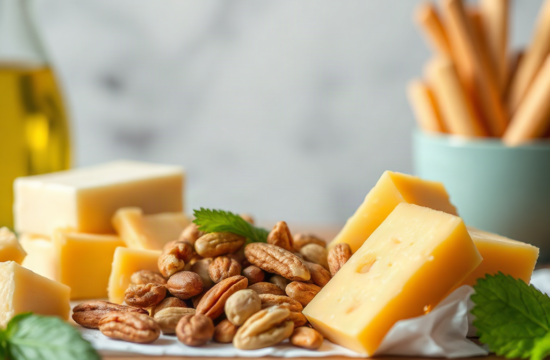
- Incorporate healthy fats from sources like avocados, nuts, and olive oil.
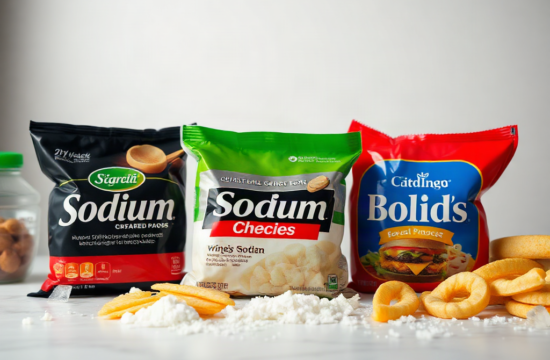
- Limit processed foods by checking labels for added sugars and sodium.
By following these guidelines, you can create a grocery list that supports a balanced diet and meets your nutritional needs.
Common Mistakes to Avoid
While creating a balanced grocery list, it’s easy to fall into certain traps. One common mistake is not having a clear plan, which can lead to purchasing items that are not needed or that may go to waste. Another pitfall is failing to consider portion sizes, which can result in buying too much or too little.
Additionally, neglecting to include a variety of foods can lead to monotony in meals, making it harder to stick to healthy eating habits. Ensure that your list reflects a diverse range of ingredients to keep meals interesting and satisfying.
Support Your Weight Loss Goals
Huge Discount on the Best Certified Organic Nutrient Dense Supplement!
Frequently Asked Questions
What should I include in a balanced grocery list?
A balanced grocery list should include a variety of fruits, vegetables, whole grains, lean proteins, and healthy fats.
How can meal planning help with grocery shopping?
Meal planning helps ensure you buy only what you need, reducing waste and preventing impulse purchases.
What are some common mistakes to avoid when grocery shopping?
Common mistakes include not planning meals, over-relying on processed foods, and neglecting portion sizes.
How do I ensure variety in my grocery list?
Incorporate different colors and types of fruits and vegetables, and rotate your protein sources regularly.
Can I still enjoy snacks on a balanced diet?
Yes, include healthy snacks such as nuts, yogurt, or fruit to maintain energy levels while keeping your diet balanced.
Further Reading
Authoritative Sources
- Making a Balanced Grocery List Without Overthinking It!
culinahealth.comAn ideal grocery list balances key food groups, including proteins, healthy fats, whole grains, fruits, vegetables, and fun “extras” Prioritize ...
- Food Shopping and Meal Planning
nutrition.govUse these resources for meal planning and grocery shopping to help you stick to your budget and eat healthy at home.
- How to Build a Healthy Grocery List: A Simple Guide ...
silversneakers.comA healthy grocery list focuses on lean protein, colorful produce, whole grains and fewer processed foods, helping you boost energy, ...
- How to Make a Grocery List Shorter and Simpler: 9 Ways
perfectsnacks.com1. Stick to a Grocery Budget · 2. Establish Weekly Meal Plans Ahead of Time · 3. Choose Recipes With Fewer, Fresher Ingredients · 4. Make Enough Food for Leftovers.
Conclusion
Creating a balanced grocery list is a fundamental step towards achieving a healthy diet. By understanding food groups, planning meals, and avoiding common pitfalls, you can ensure that your shopping reflects your nutritional goals. Prioritize fresh, whole foods and maintain variety to make healthy eating enjoyable and sustainable. Start by drafting a list based on these principles, and you’ll be on your way to a more balanced approach to your meals.