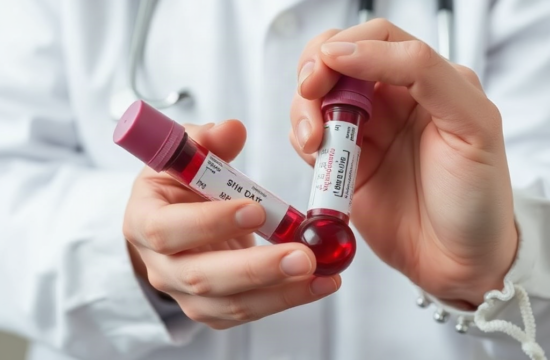
How fasting affects medication and meal timing depends on whether a medicine needs food, must be taken at a consistent hour, or can alter blood sugar, blood pressure, or stomach irritation during a fast. Fasting may delay a meal that normally protects the stomach, separate a dose from food that affects absorption, or increase the risk of low blood glucose with certain medicines. Do not skip, crush, double, or move a prescribed dose without checking the label, pharmacist, or prescriber. Write down your fasting window, usual doses, required food instructions, and symptoms so a clinician can help create a safe schedule.
Why Fasting Changes Medication Timing
Fasting changes the conditions in which a medicine enters the body. An empty stomach can affect how quickly a tablet dissolves, how much of a drug is absorbed, and whether the stomach lining becomes irritated. The effect is not identical across medicines: some are specifically intended for an empty stomach, while others work more predictably with a meal. A fasting routine therefore cannot be judged by the clock alone.
Meal timing also matters when food is part of a medicine’s instructions. “Take with food” may mean that a modest meal is needed to reduce nausea or irritation, or that dietary fat and other nutrients influence absorption. “Take before breakfast” may require a different interval from “take with a meal.” The exact wording on the prescription label and patient information leaflet is more useful than a general fasting rule.
Blood glucose creates a separate concern. Fasting reduces or delays carbohydrate intake, so medicines that lower glucose may have a stronger practical effect than expected. A person using insulin or certain diabetes medicines might face low blood sugar if a meal is skipped without an individualized adjustment. Conversely, changing a dose abruptly can cause high readings or other complications. That is why a fasting plan should be discussed before the first fast when diabetes treatment is involved.
Consider two contrasting examples. A medicine intended for an empty stomach may fit neatly before the first meal, provided the required interval is maintained. A different medicine normally taken with breakfast may cause nausea or alter glucose control when breakfast disappears. Moving both doses to the same fasting window because it is convenient treats unlike medicines as if they behaved identically.
The practical priority is to classify each medicine by its food relationship, not to assume that fasting automatically makes a prescription unsafe. Keep a current list of prescription drugs, over-the-counter products, vitamins, and supplements, including dose and usual time. That list gives a pharmacist enough information to identify conflicts involving food, hydration, minerals, or duplicate ingredients.
Medicines That May Need Food or Extra Caution
Medicines requiring food deserve special attention when a fast removes breakfast, lunch, or an evening meal. Some anti-inflammatory pain medicines can be harsh on the stomach, and taking them without the food or other instruction supplied by a clinician may increase discomfort or bleeding risk. Certain medicines also have food-specific absorption instructions, while others should be separated from calcium, iron, fiber, or antacids. The details vary by product, so a broad “fasting is healthy” claim cannot replace medication-specific advice.
Diabetes treatment is often the highest-risk scheduling issue because meal omission can change the balance between glucose entering the bloodstream and medication lowering it. Insulin regimens, sulfonylurea-type medicines, and combination treatments may require a clinician’s fasting-day plan. That plan may involve monitoring, altered doses, or avoiding the fast; it should not be improvised from a social-media timetable. Symptoms such as sweating, trembling, confusion, unusual weakness, or a fast heartbeat need prompt attention, especially if glucose-lowering treatment is being used.
Blood-pressure and heart medicines create a different tradeoff. A fast can reduce fluid and salt intake, and vomiting or diarrhea can add to dehydration. Taking a medicine that lowers blood pressure while drinking much less than usual may produce dizziness or faintness in some people, but stopping it independently may also be dangerous. The correct response depends on the medicine, the person’s medical history, kidney function, and the type of fast.
Some antibiotics, thyroid medicines, seizure medicines, steroids, and contraceptives have precise timing requirements or consequences if doses are missed. A delayed meal does not necessarily justify delaying the dose. For example, changing the time of a medicine that must maintain fairly steady exposure may be more consequential than tolerating a minor shift in breakfast. The label may also distinguish between a missed dose and a late dose; those instructions should guide the next step.
Supplements can complicate the picture. Iron, calcium, magnesium, herbal products, and high-fiber powders may interfere with absorption of some medicines or cause stomach upset on an empty stomach. Whole foods such as yogurt, eggs, oats, lentils, fruit, and vegetables may supply nutrients that interact differently from a processed snack. Do not assume that a supplement is harmless simply because it is sold without a prescription.
A useful medication review asks four questions for every item:
- Does it require food, an empty stomach, or separation from a particular nutrient?
- What happens if a meal is skipped or the dose is late?
- Could fasting change blood sugar, blood pressure, hydration, or stomach tolerance?
- Which symptoms require urgent medical advice rather than a schedule adjustment?
These questions are more reliable than copying another person’s fasting routine. If you need a second opinion about How fasting affects medication and meal timing, use the exact product name and strength when asking a pharmacist.
Building a Safer Fasting-Day Schedule
A safer schedule begins with the prescribed timing and then tests whether the fasting window can accommodate it. List the start and end of the fast, the meals or calorie-containing drinks allowed, usual medication times, and any food-specific directions. Mark medicines that must be taken at a consistent hour separately from those tied to breakfast, lunch, or dinner. This simple map exposes conflicts before the fast begins.
Do not solve every conflict by moving doses to the eating window. A medicine taken twice daily may need evenly spaced doses rather than two doses crowded around one meal. Another medicine may be specifically linked to the first meal, making the fast’s end more relevant than the clock time. A pharmacist can explain whether a change is acceptable, whether the fasting plan should be shortened, or whether a different routine is safer.
Hydration deserves its own line on the schedule. A water-only fast differs from a dry fast, a religious fast, and a time-restricted eating pattern that permits noncaloric fluids. Fluid restrictions prescribed for heart or kidney conditions are another situation entirely. Tea, coffee, electrolyte drinks, and flavored products may affect the fast and may also change stomach tolerance or nutrient intake. Follow both the fasting rules and the medical instructions rather than assuming one automatically overrides the other.
Food quality at the eating window can influence how manageable the schedule feels. A meal containing protein, whole-food carbohydrates, vegetables, and an appropriate source of fat may be more sustaining than a large serving of refined sweets followed by a long gap. For someone taking a medicine with food, the relevant meal may not need to be elaborate; the required amount and composition should come from the medication instructions. Eating a very large meal solely to “cover” several doses can worsen nausea, reflux, or glucose swings.
Use a written trial only when a clinician has confirmed the plan. Record dose time, meal time, fluids, glucose readings if prescribed, blood pressure when relevant, and symptoms such as nausea or light-headedness. The goal is not perfect fasting. The goal is a routine that preserves medication effectiveness and lets you recognize failure early.
One common mistake is treating weekends or fasting days as permission to catch up on missed doses. Never double a dose unless a prescriber or official medication instructions explicitly say to do so. If the schedule becomes confusing, pause the experiment and contact a pharmacist with the medication list, the intended fasting hours, and the exact problem.
Support Your Weight Loss Goals Huge Discount on the Best Certified Organic Nutrient Dense Supplement!
Warning Signs, Common Mistakes, And When to Ask for Help
Fasting should be reconsidered when it produces symptoms that could reflect medication effects, dehydration, low blood sugar, or an underlying condition. Dizziness after standing, fainting, confusion, persistent vomiting, severe weakness, chest discomfort, trouble breathing, or inability to keep medicines down warrants prompt medical attention. A person with diabetes should follow the individualized action plan for low or high glucose rather than trying to preserve the fast.
Symptoms are not always proof that a medicine caused the problem. Headache may reflect caffeine withdrawal, dehydration, lack of sleep, or low glucose; nausea may come from an empty stomach, the medicine, or the meal used to break the fast. Guessing can lead to the wrong adjustment. Note when the symptom began in relation to the dose, food, fluid intake, and activity, then share that record with a clinician.
Several errors appear repeatedly. People skip a dose because they believe every medicine must be taken with food, take a dose with a small snack that does not meet the product’s instructions, or alter extended-release tablets to fit a fasting window. Crushing, splitting, or opening a formulation can change how it releases. Others stop long-term treatment for a short fast, then restart without knowing whether the missed interval matters. Each action has different risks and should be checked individually.
Fasting may be unsuitable without professional planning for people who use insulin, have a history of severe low glucose, are pregnant or breastfeeding, have significant kidney or liver disease, take medicines with narrow dosing requirements, or are recovering from illness. Age, frailty, eating-disorder history, and prior dehydration also change the risk assessment. These are not reasons for a blanket conclusion; they are reasons to obtain personalized advice before changing meal timing.
Before beginning, use this compact checklist:
- Confirm food, empty-stomach, fluid, and spacing instructions for every medicine.
- Ask whether the fast changes glucose, blood pressure, seizure control, or symptom monitoring.
- Clarify what to do for a late meal, missed dose, vomiting, or concerning reading.
- Keep a reliable source of permitted fluids or emergency treatment when prescribed.
- Stop and seek advice if symptoms are severe, unusual, or worsening.
The most useful next step is a medication review, not a more aggressive fasting window. Official prescribing information, the dispensing pharmacist, and the clinician managing the condition can resolve questions that a generic fasting schedule cannot. Additional discussion of How fasting affects medication and meal timing should always be matched to the exact medicine and the person taking it.
Frequently Asked Questions
Can I take medicine during a fast?
Sometimes, but the answer depends on whether the medicine requires food, affects blood sugar, needs steady timing, or has fluid instructions. Check the label and ask a pharmacist before changing the routine.
Should I move all medicines to my eating window?
No. Some medicines are linked to evenly spaced doses or a specific empty-stomach interval. Moving every dose may reduce consistency or create unwanted side effects.
Why can fasting be risky with diabetes medicine?
Less food can reduce available glucose while some treatments continue lowering glucose. Insulin and certain tablets may require an individualized plan for monitoring and dose adjustment.
What if I miss a dose because I cannot eat?
Do not automatically double the next dose. Follow the product’s missed-dose instructions or contact a pharmacist, especially for medicines treating seizures, diabetes, blood clotting, or heart conditions.
Can supplements affect a fasting medication schedule?
Yes. Iron, calcium, magnesium, fiber products, and herbal supplements may affect absorption or stomach comfort. Provide a complete supplement list during a medication review.
Conclusion
A fasting routine should fit around medication requirements, not force every prescription into the same meal pattern. Check whether each product needs food, an empty stomach, separation from nutrients, steady spacing, or special monitoring for glucose, blood pressure, hydration, or stomach symptoms. The safest plan may involve changing the fasting window, keeping meals at different times, or deciding that fasting is not appropriate for a particular period.
Before starting, write down the intended fasting hours and every medicine and supplement you use. Ask a pharmacist or prescriber to review conflicts and clarify what to do if a meal is delayed, a dose is missed, or symptoms develop. That individualized review is more dependable than borrowing a schedule designed for someone else.
Support Your Weight Loss Goals
HUGE DISCOUNT ON THE BEST CERTIFIED ORGANIC NUTRIENT DENSE SUPPLEMENT!
Related Content
- Weight Loss Tips That Feel Natural: Simple Habits for Sustainable Success
- Lose Weight Easily: Start Snacking During The Day
- How to Navigate Holiday Eating Without the Guilt (or the Weight Gain)
- Do You Want To Lose Weight? Try These Tips
- Mastering Healthy Habits: The Ultimate Guide on How to Lose Weight Without Fad Diets