Common pitfalls in tracking food intake include underestimating portion sizes, failing to log snacks, and depending on memory instead of consistent documentation. These errors can lead to significant discrepancies in calorie counts, ultimately derailing dietary goals. To enhance accuracy, it is essential to measure food portions accurately and log everything immediately, including small bites and snacks. Utilizing reliable tracking apps or journals can also help maintain consistency and awareness of eating habits, ensuring better adherence to dietary plans. Recognizing and addressing these common mistakes is vital for effective management of your nutrition and achieving health objectives.
Understanding the Importance of Accurate Tracking
Accurate tracking of food intake is essential for anyone aiming to achieve specific dietary goals, whether for weight loss, muscle gain, or overall health improvement. The effectiveness of any dietary regimen heavily relies on precise measurement of calorie intake and nutrient distribution. Without accurate tracking, it becomes challenging to assess dietary habits, identify areas for improvement, or ensure nutritional adequacy.
When individuals fail to track their food intake accurately, they may not fully understand their eating patterns or the nutritional value of their meals. This lack of awareness can lead to unintended weight gain or hinder progress towards health objectives. Therefore, recognizing the significance of accurate food monitoring is the first step in preventing common pitfalls.
Common Mistakes in Food Logging
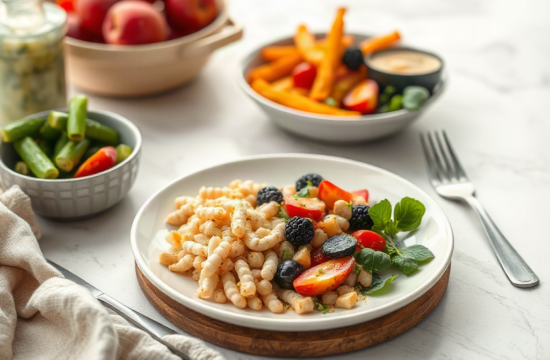
Several common mistakes can undermine the effectiveness of food tracking. One prevalent error is underestimating portion sizes. Many people believe they are consuming fewer calories than they actually are because they do not measure their food accurately. For instance, a serving of pasta may appear small but can contain significantly more calories than estimated when not weighed or measured.
Another mistake is neglecting to log snacks or small bites. These little additions can add up over the day, leading to a significant calorie surplus if not accounted for. For example, someone might snack mindlessly while cooking or take a few bites of their child’s meal, yet fail to record these calories.
Additionally, relying on memory instead of consistently logging food intake can lead to inaccuracies. When individuals attempt to remember what they ate at the end of the day, they often forget critical details, which skews their overall tracking. To avoid these mistakes, it is vital to develop a habit of measuring food portions and recording intake immediately.
Impact of Inconsistent Tracking
Inconsistent tracking can have detrimental effects on dietary progress. When individuals do not track their food intake consistently, it becomes challenging to identify patterns, evaluate progress, or make necessary adjustments. This inconsistency can lead to frustration and a sense of failure, ultimately resulting in abandoning dietary goals altogether.
Moreover, inconsistency can create a false sense of security. For instance, someone might believe they are within their calorie limits because they tracked some meals but neglected others. This selective tracking can lead to significant weight gain or hinder weight loss efforts, as individuals may not realize the full extent of their calorie consumption.
To mitigate the impact of inconsistent tracking, set specific times for logging meals and snacks throughout the day. Using reminders on mobile devices can help reinforce this habit, ensuring that food intake is recorded promptly and accurately.
Support Your Weight Loss Goals
Huge Discount on the Best Certified Organic Nutrient Dense Supplement!
Tools for Effective Food Intake Monitoring
Utilizing the right tools can enhance the accuracy and ease of tracking food intake. Various apps and websites are available that allow users to log their meals, track calories, and analyze their nutrient intake. Apps like MyFitnessPal or Lose It! provide extensive databases of foods and their nutritional information, making it easier to track accurately.
In addition to digital tools, keeping a physical food journal can also be effective. Writing down meals by hand can enhance mindfulness about food choices and intake, helping individuals to connect more deeply with their eating habits.
Lastly, using measuring cups, kitchen scales, and portion control containers can assist in accurately assessing portion sizes. By investing in these tools, individuals can improve their food tracking and ultimately achieve their dietary goals more effectively.